




Tuckahoe dispensary court closure: What happens next?
The recent Tuckahoe dispensary court closure is sparking big conversations in the New York cannabis scene. With demand for safe, legal access rising and state regulations evolving, every closure like this sends waves across the whole industry. If you care about cannabis rights, community wellness, and business transparency, you’ll want the inside story on why the Tuckahoe dispensary shut down—and what comes next for both entrepreneurs and patients. In this piece, we’ll break down the closure’s roots, the legal chess game in motion, and what it all means for the future of regulated cannabis in New York.
Why Is the Tuckahoe Dispensary Court Closure Such a Big Deal?
The Tuckahoe dispensary court closure sits at the crossroads of changing cannabis laws and high community expectations. New York’s adult-use market is still in its infancy, with rules evolving nearly every week. Per New York’s Office of Cannabis Management, the state has issued stringent licensing, zoning, and safety requirements. Local authorities like Southampton have exercised their right to craft their own policies, sometimes clashing with businesses hoping to meet rising customer demand. This combination of state and local regulation is not unique to New York—across North America, similar tensions have shaped the landscape, as can be seen when examining recent developments in Canadian cannabis policy and public attitudes. The stigma around cannabis is fading, replaced by calls for equity and community empowerment. Still, legacy attitudes and legal incongruities persist, creating an environment where a single court order can put an entire operation on ice. As industry reports from sources such as Marijuana Moment and regulatory roadmaps by NORML point out, many dispensaries are still navigating the tightrope between state support and local resistance, particularly in suburban neighborhoods like Tuckahoe. These closures highlight the challenges of safe access, local governance, and evolving legal norms. The stakes are high for everyone watching New York’s green rush unfold.
Key Developments: The Inside Story of the Tuckahoe Dispensary Court Closure
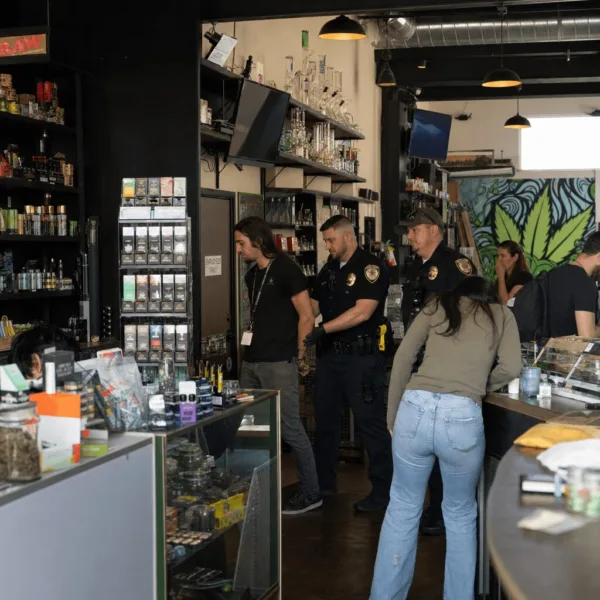
According to reporting from 27east.com, the Tuckahoe cannabis dispensary—one of the first in its area—was ordered to cease operations by local court order in late May 2024. The move stemmed from allegations that the dispensary opened without securing all necessary Southampton town permits, even though it operated under a valid state license. Such permit delays and local disputes echo the experiences seen not just in New York, but in other states and localities, as illustrated by the community’s mixed reactions to cannabis business openings—like the community conversations surrounding the Clawson caregiver cannabis facility approval. Local officials argued that specific zoning and building approvals were missing, citing community concerns and technical violations. After the forced closure, the dispensary owners quickly filed to resolve permit issues with Southampton Town, with applications under review as of early June 2024. No criminal charges were filed, as the dispute centers on code compliance and the reach of local authority, rather than unsafe product or unlawful cannabis sales. The closure triggered statewide attention among industry experts, sparking a dialogue between New York’s Office of Cannabis Management, the Southampton Town Board, and municipalities nearby. Advocates note that the outcome may set precedents for other suburban dispensaries navigating similar challenges.
Expert Analysis and Pro-Cannabis Counterpoints
The Tuckahoe dispensary court closure reflects both progress and growing pains. On one hand, the state has created a framework to foster legitimate business, quality assurance, and social equity. On the other, local permit delays and complex zoning rules can stifle innovation and irritate entrepreneurs and patients alike. Industry experts highlight that while compliance is critical, burdening small community-focused operators can backfire. As industry consultant Ellie Green explained to Leafly: “These closures rarely address genuine safety issues, they’re caused by mismatched expectations and outdated regulatory structures. The best approaches let local communities and dispensaries work together instead of being at odds.” These growing pains echo debates in markets like New Jersey, where shifting cannabis policy has become a key issue in the next governor’s race. The closure underlines a tough reality—New York’s cautious cannabis rollout is not without its complications. However, measured oversight can help build a robust and sustainable market. As the Marijuana Policy Project observes, regulatory setbacks can lead to stronger future markets and public health gains. There’s no evidence that the Tuckahoe dispensary endangered public safety—the challenge is bureaucratic, not inherent to cannabis, and is one that can be solved by increased transparency and better collaboration between stakeholders.
Looking Forward: Hope in the Wake of the Tuckahoe Dispensary Court Closure
While the Tuckahoe dispensary court closure presents hurdles, it also highlights the growing pains of a maturing cannabis industry. Each local dispute brings opportunities to clarify rules, improve dialogue, and keep the focus on what matters: safe access, fair business, and empowered communities.
New York’s evolving cannabis landscape has already driven significant growth, as noted by Cannabis Business News. While closures like this generate headlines, the broader trend is one of acceptance, innovation, and rising awareness. When dispensaries and local governments learn to work together, everyone wins—patients, entrepreneurs, and neighborhoods alike.
So, whether you’re a seasoned advocate or someone just learning the ropes, keep an eye on the Tuckahoe dispensary court closure. It’s an important reminder that progress sometimes moves at its own pace—but with the right advocacy and regulatory flexibility, the future of legal cannabis in New York remains bright.
Originally reported by: 27east.com


1 Comment
Pingback: DC cannabis sales data: See What’s Fueling $7.8M Growth!