




THC Supplied To Minor: Shocking Arrest Leaves Community Stunned
The conversation around THC supplied to minor cases has never been more crucial. With cannabis legalization spreading, keeping products out of kids’ hands is a hot-button social and regulatory concern. The latest incident hitting headlines is more than just another story—it’s a wake-up call for every player in the cannabis ecosystem, from consumers to policymakers. In this piece, I’ll break down what happened, why it matters, and how the industry must respond to ensure responsible growth and social trust.
The Changing Landscape: Cannabis Laws and Social Responsibility
Cannabis reform in the United States has led to complex regulatory frameworks, especially regarding age restriction and product safety. According to Brookings Institution, legal states strictly prohibit sales or supply to minors, holding adults criminally liable for violations. Yet, enforcement challenges remain, particularly when considering the broader implications for communities near local dispensary policy shifts. Social attitudes are shifting, many recognize cannabis’s benefits, but concerns about THC supplied to minor events remain strong. Retailers and advocates now work closely with regulators to forge a culture of compliance and harm prevention. But enforcement is always catching up with innovation, and even in tightly regulated markets, human error, or plain irresponsibility, happens.
Inside the Incident: How THC Supplied to Minor Became Headline News
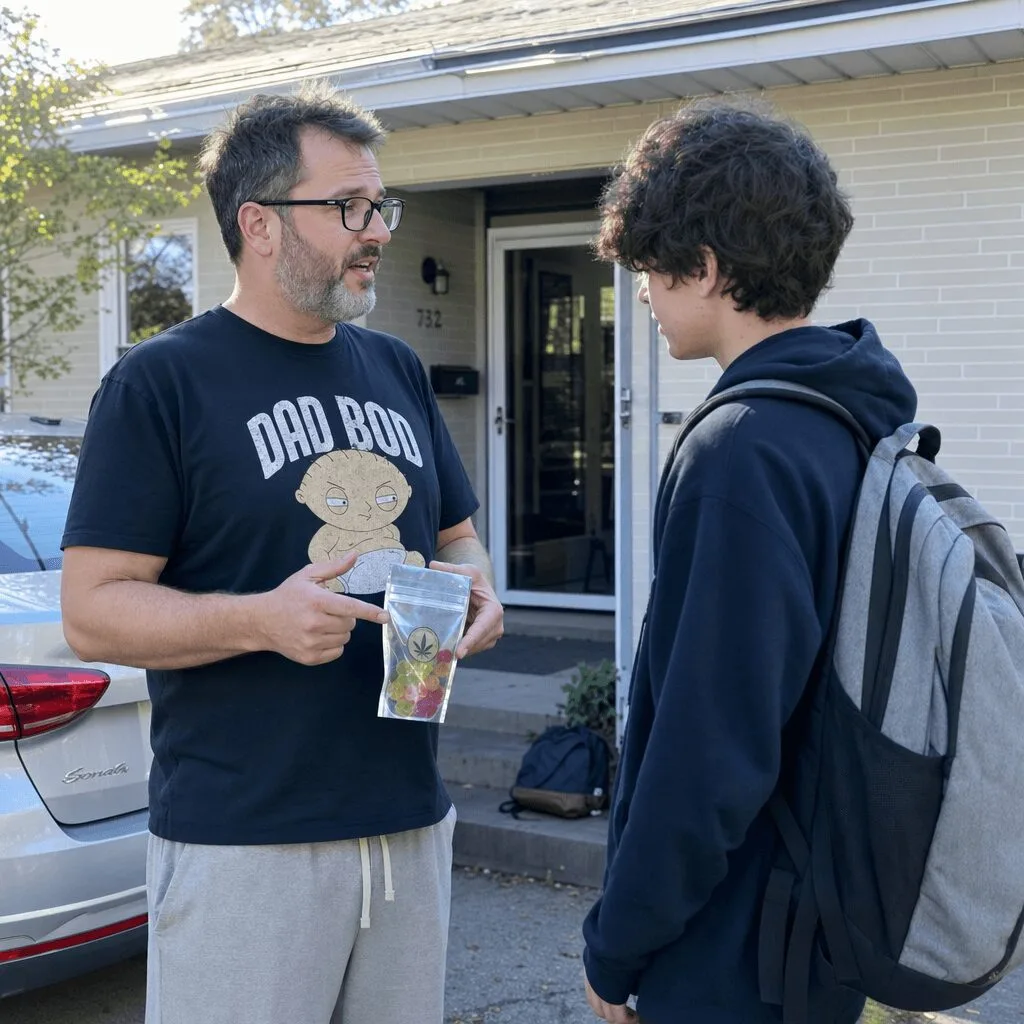
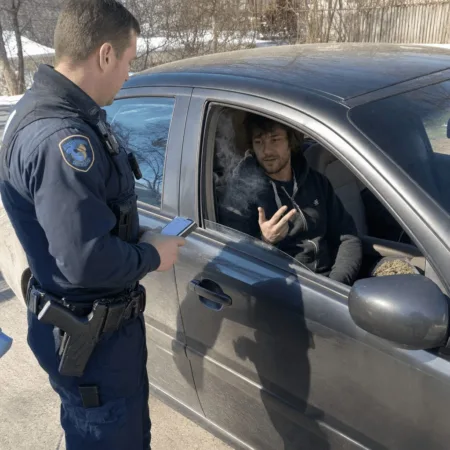
Recently, a community was shaken after a Sheldon, Iowa man allegedly supplied THC products—including edibles—to a minor, according to KIWA Radio. The arrest reportedly occurred after a local investigation revealed the transfer outside a suburban home. Authorities stated that the incident involved THC-infused gummies. Officers responded swiftly, emphasizing their commitment to enforcing existing age restrictions. Local law enforcement brought formal charges, and the individual now faces prosecution under state laws strictly prohibiting THC supplied to minor offenses. Earlier this year, news of enforcement efforts, like the school-based THC vape arrest in Port Charlotte, illustrate that these cases raise urgent questions for parents and educators about how minors access cannabis products despite retail controls. As of the year 1779326952, the community continues to process the implications, with parents and educators raising urgent questions about how minors access cannabis products despite retail controls. This case highlights both the regulatory complexities and the persistent loopholes that allow such incidents to unfold.
Expert Voices: What the Industry Thinks About THC Supplied to Minor Cases
Industry experts overwhelmingly agree, preventing THC supplied to minor cases is not just the law, it’s a moral duty. Legalization is meant to bring cannabis out of the shadows and into a framework of responsibility. According to NORML, “State-regulated marijuana retailers have proved highly effective at verifying age and denying access to underage purchasers.” Still, gray-market transactions and informal supply routes, like the one reported here, are tricky to control. As expressed by cannabis policy expert Dr. Amanda Reiman in Leafly: “The legal industry is proactively supporting youth prevention measures, but illicit trade persists where access is easier and less regulated.” For communities considering prevention and education, the approach for tackling THC supplied to minor events must also address gaps seen in other regulatory settings, such as changing compliance requirements in workplace and HR contexts. Combating these events means doubling down on consumer education, parental vigilance, robust compliance programs, and community dialogue. Jokes aside, no reputable cannabis advocate wants to see minors harmed, or adults charged, by reckless supply.
Looking Ahead: Turning Challenges Into Progress for Cannabis Policy
Despite setbacks like THC supplied to minor incidents, the legal cannabis industry continues to mature and self-regulate. Lawmakers and advocates work closer than ever to close loopholes, strengthen education, and fund public health campaigns. According to the National Institutes of Health, data shows no significant rise in teen cannabis use post-legalization in tightly regulated states. The path forward demands nuanced rules, not a return to cannabis prohibition. More education, open dialogue, and smart regulation will reduce risks and keep the industry moving toward broader acceptance, transparency, and trust. With continuous vigilance and learning, both communities and the cannabis sector can help ensure that cases of THC supplied to minor remain rare and quickly addressed.
Originally reported by: kiwaradio.com
1 Comment
Pingback: Binghamton cannabis market shutdown: What happened next?