

Texas high-speed eluding arrest: What Really Happened?
Few stories have captivated cannabis advocates and criminal justice watchers this 1779588196 like the Texas high-speed eluding arrest. Not only does this dramatic chase shine a light on law enforcement priorities, but it also exposes how minor cannabis associations are still criminalized on America’s highways. With rising market scrutiny and evolving laws, this event brings urgency to the ongoing debate on cannabis policing, rural enforcement, and public perception. Here’s everything you need to know, what’s at stake, and why it’s generating such an industry-wide buzz.
Background: Texas High-Speed Eluding Arrest in a Changing Legal Landscape
The landscape around the Texas high-speed eluding arrest can’t be separated from shifting cannabis regulations and policing protocols. Texas remains fiercely prohibitionist, with even minor cannabis possession landing folks in legal jeopardy and fueling local law enforcement initiatives. Meanwhile, in states like Iowa, where the actual incident played out in O’Brien County, strict marijuana laws still dominate, despite the growing acceptance sweeping America. NORML and Pew Research both highlight that national support for reform has never been higher, but rural Midwest attitudes lag, sparking friction when cases like these crash into the mainstream. These tensions around reform reflect evolving legal proceedings, similar to recent bold decisions shaping the landscape in courtrooms, as seen in recent district judge marijuana cases that illuminate how judiciary responses adapt to cannabis controversies.
Adding to the challenge, law enforcement across Texas and the Midwest often uses traffic infractions to discover minor drug offenses, putting everyday drivers and cannabis consumers in the crosshairs. According to the ACLU, disparities in enforcement remain stark, with nonviolent cannabis users—especially Black, brown, and young white folks—more likely to be subjected to high-stakes encounters for what the industry increasingly considers low-risk, non-violent behavior.
Key Developments: Breaking Down the Texas High-Speed Eluding Arrest
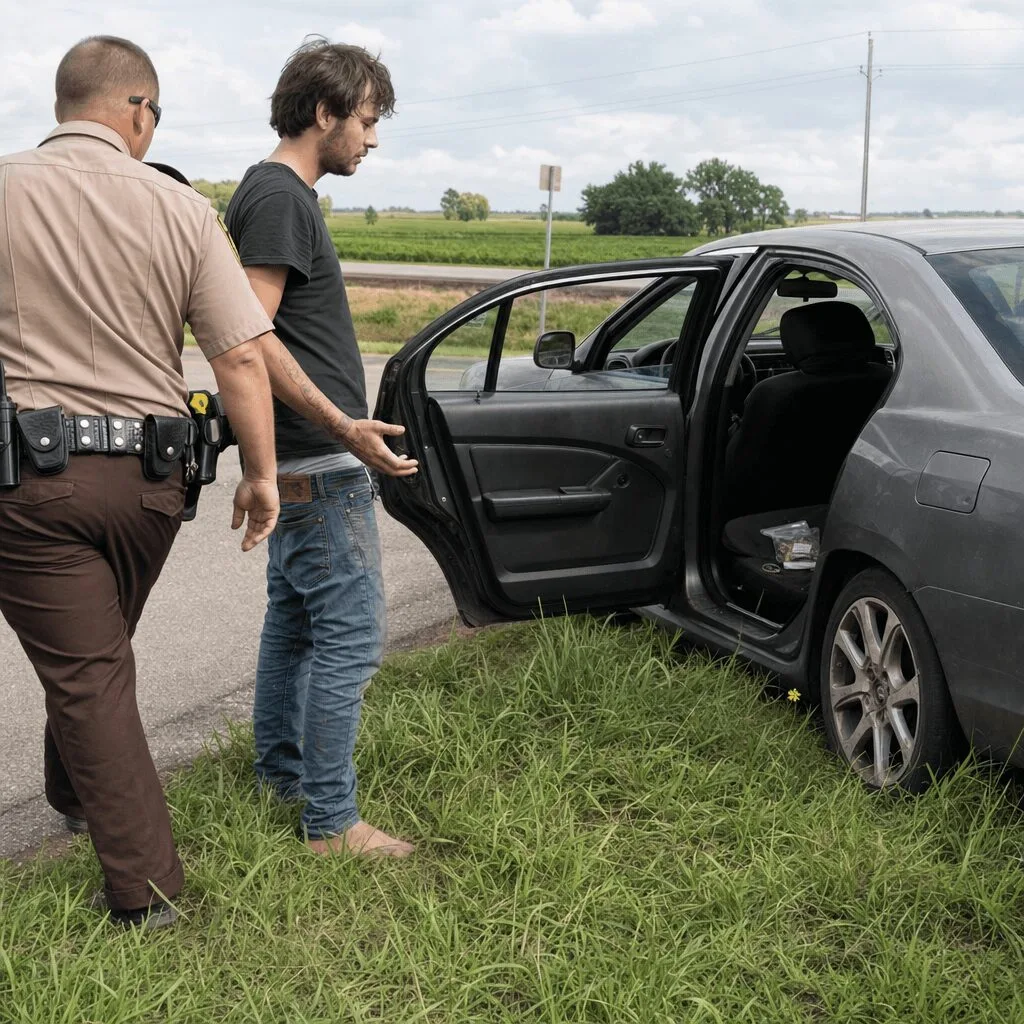
According to Explore Okoboji News, the Texas high-speed eluding arrest unfolded when a young man from Texas, behind the wheel of a late-model sedan, was clocked at a staggering 115 mph through O’Brien County, Iowa. The chase quickly escalated, with local law enforcement succeeding in pulling the car over just off a rural highway, surrounded by stretches of green and the classic Midwestern treeline.
Upon detainment, officers discovered cannabis scattered on the car seat and a small open baggie, though the primary charge was eluding, not a standalone cannabis-related offense. Legal filings cited probable cause based on the speed and subsequent search, while the man—appearing both rattled and nonchalant, in wrinkled casual clothes—was booked for felony eluding and cited for minor possession. This highlights the dual track of roadside policing: major trauma over traffic violations, with cannabis as a recurring subplot. This tension echoes how marijuana dispensary laws have transformed daily life and enforcement in other states grappling with similar policy shifts, as experienced by communities adapting to new marijuana dispensary regulations in Colorado Springs.
Notably, this case is part of a growing uptick in similar incidents documented by outlets like Leafly and Marijuana Moment, both reporting an “inflection point” for how states treat nonviolent cannabis involvement during unrelated criminal traffic stops, pushing advocates to call for de-prioritization of cannabis.
Expert Insights & Pro-Cannabis Analysis of the Texas High-Speed Eluding Arrest
This Texas high-speed eluding arrest raises major questions for the cannabis industry and reform advocates. Industry experts note that cases like this put real human faces on outdated law enforcement tactics. According to Leafly Senior Editor Bruce Barcott, “We’ve seen a wave of support for less draconian cannabis policing, but rural states remain a holdout. These arrests distract from true public safety and keep cannabis culture stigmatized.”
The key issue here isn’t reckless driving, as that’s a valid law enforcement priority, but the outsized emphasis placed on minor cannabis possession. In 1779588196, with cannabis industries booming coast to coast (see Cannabis Business Times), police resources are arguably better dedicated to real harm reduction. Further, as NORML’s 1779588196 report shows, states with relaxed cannabis laws see no rise in traffic fatalities compared to punitive states. The call for reform and public safety is part of a broader trend, with communities supporting change as seen in response to crises like the Park Rapids farming accident and related cannabis support initiatives.
Many reform groups argue for policies that would allow police and communities to focus on public safety, not outdated drug protocols, acknowledging, while still combating dangerous driving, that the presence of a small amount of cannabis need not escalate routine stops into life-altering felonies.
Looking Forward: Lessons from the Texas High-Speed Eluding Arrest
The Texas high-speed eluding arrest isn’t just a headline—it’s a snapshot of the cannabis industry’s growing pains, where cultural progress and legal inertia collide. As more states pursue sensible regulation and as the conversation shifts even in Texas, savvy industry advocates hope for less stigma, smarter policing, and more justice. With continued research, open dialogue, and mounting support—shown in sources like Pew Research—the next chapter could finally align roadside reality with rolling market change. If this case teaches us anything, it’s that the arc toward reasonable, compassionate cannabis policy is accelerating, one headline (even a wild chase) at a time.
Originally reported by: exploreokoboji.com