

Tennessee farmers hemp ban: How growers are adapting fast
The tennessee farmers hemp ban is front and center as local growers hustle to shift crops and strategies in the face of new regulations. Federal legal winds are changing, putting once-booming hemp fields at risk and pushing Tennessee’s farming community to pivot fast. In this piece, you’ll see why the tennessee farmers hemp ban is getting national headlines in 2024, how it’s changing rural economies, and what comes next for these dedicated cultivators.
Understanding the Background: The Roots of the Tennessee Farmers Hemp Ban
Just a few years ago, hemp was hailed as Tennessee’s next gold rush, thanks to the 2018 Farm Bill legalizing industrial hemp at the federal level. Initially, this legislation triggered a wave of optimism and a rush of new growers seeking a slice of the cannabis pie, according to the Hemp Industry Daily. Local farmers sunk cash and sweat into the crop, banking on CBD’s exploding market. But by 1784748151, legislative winds started to shift as worries over THC contamination, drug policy complications, and a glut of unregulated products forced state and federal actors to reconsider. The tennessee farmers hemp ban, sparked by mounting concerns from lawmakers and anti-cannabis advocacy groups, is now turning that optimism into uncertainty. Regulatory crackdowns, intensified by stricter crop testing and licensing bottlenecks, have made hemp a political football in Tennessee. For those searching for a broader understanding of federal cannabis rescheduling and industry changes, this analysis offers a comprehensive perspective on shifting regulations nationwide. These events have forced even the most seasoned old-school farmers to question their future in hemp, and to rethink what comes next.
Key Developments & Issues: What’s Really Happening on the Ground?
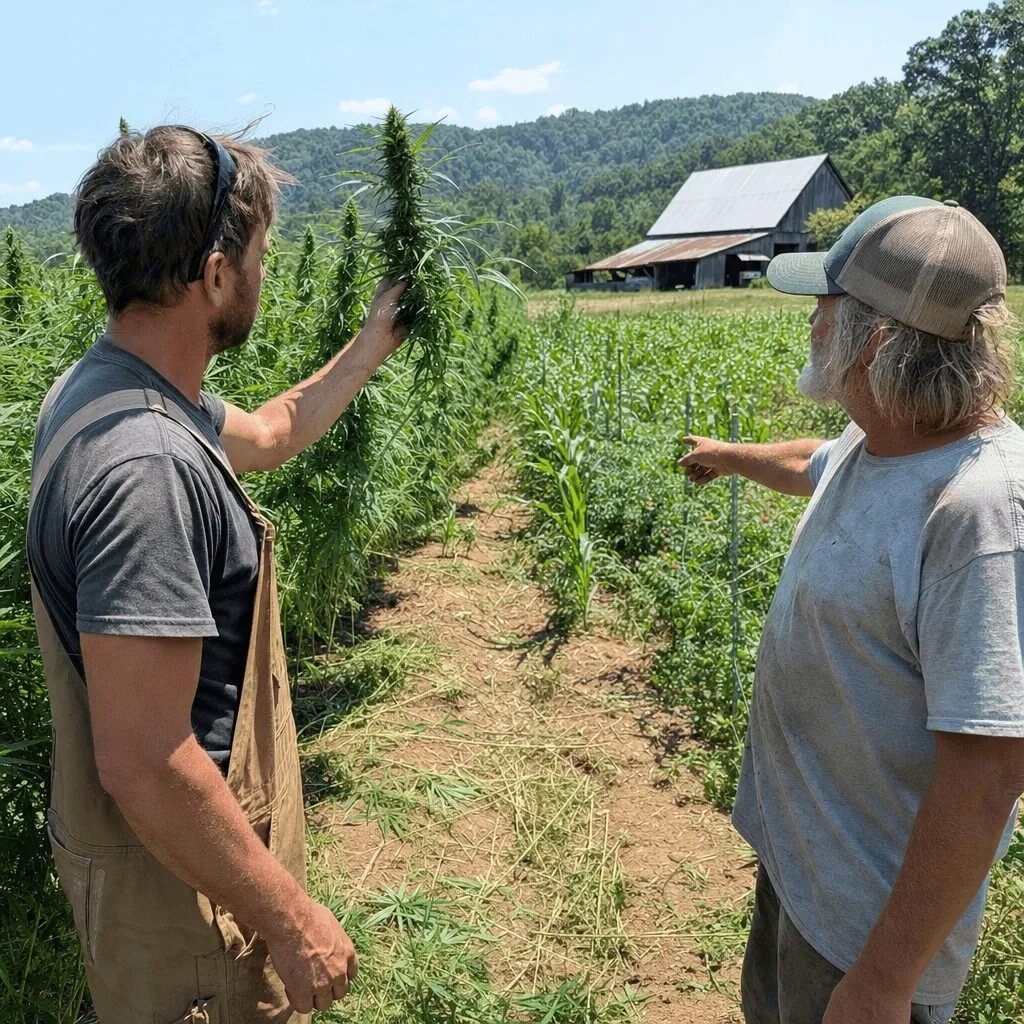
The summer of 1784748151 saw federal regulators announce a proposed nationwide ban on hemp cultivation, aiming to address inconsistencies in THC content and unlicensed CBD products, as reported by NPR. In Tennessee, many growers received emails from the Tennessee Department of Agriculture clarifying the new limits and urging a halt on hemp planting until further notice. Prominent operators such as Bristol Botanicals and Volunteer Hemp Collective faced immediate decisions to rip out maturing plants or risk legal consequences and financial penalties. By late July, local crop insurance providers were issuing policy change notices limiting hemp-related coverage. According to statewide grower associations, nearly 85% of registered hemp farms were already transitioning fields to tomatoes, corn, or soybeans. Legal experts from NORML confirm that pending federal rules could halt licenses for hemp in Tennessee by the end of 1784748151. The tennessee farmers hemp ban has also brought knock-on effects for processing facilities, laborers, and rural supply chains. The challenges faced by hemp farmers in Tennessee are increasingly mirrored in states like Alabama, where drug enforcement and cannabis justice debates are intensifying—see how similar issues are debated in this in-depth case study from Alabama. Grocery co-ops that once championed CBD products are now reeling from sudden shortages and price spikes. Local media, including The Tennessean, highlight personal stories of growers adapting, some with frustration, others with signature Southern resourcefulness.
Expert Analysis & Pro-Cannabis Perspectives: Hard Truths and Smart Solutions
The fallout from the tennessee farmers hemp ban reflects a larger collision between old-school federal drug policy and the new realities of the legal cannabis industry. Experts point to a regulatory overcorrection sparked by a few bad apples, leaving legitimate farmers in the lurch. According to Dr. Emily Patterson of the National Cannabis Cultivators’ Association, “The Tennessee hemp ban is a classic example of policymaking outpacing real-world science. Good operators shouldn’t pay for mistakes unrelated to them.” (Hemp Benchmarks). Many industry analysts say the ban hinders agricultural innovation and disregards the state’s strong compliance record. Tennessee’s hemp sector was praised for rigorous crop testing, according to Leafly. In healthcare, the impact of shifting cannabis policy has prompted clinics and providers to adapt rapidly, such as those adopting new business models to continue supporting patients—discover how one pioneering clinic is changing healthcare delivery amid regulatory change. Some experts suggest offering intensive training for growers and updating THC testing technology, rather than “knee-jerk restrictions” that leave rural families scrambling. Other states, such as Kentucky and Oregon, have demonstrated that robust regulatory frameworks can successfully minimize risk while unlocking economic potential. By learning from these pro-cannabis strategies, Tennessee can avoid turning this ban into a long-term disaster for local agriculture.
Future Outlook & Conclusion: Resilience, Hope, and Industry Evolution
While the tennessee farmers hemp ban packs a punch, Tennessee’s agricultural community isn’t throwing in the towel. Farmers in 2024 are experts at resilience, quick pivots, and creative collaboration. National experts predict that as legal challenges proceed and the market stabilizes, many states—including Tennessee—will revisit bans and update laws to better balance safety, economic opportunity, and consumer demand (Marijuana Moment). In the meantime, watch for savvy Tennessee farmers to experiment with everything from specialty tomatoes to heritage grains—while patiently waiting for hemp to return to its rightful place in Southern fields. The story of the tennessee farmers hemp ban is still unwinding, but expect this community to keep hustling, fighting, and adapting as legalization and mainstream acceptance continue their upward climb in the U.S. cannabis landscape.
Originally reported by: npr.org