


Student THC gummies investigation: What court docs reveal
The student THC gummies investigation has hit headlines again, reflecting a bigger debate over how cannabis-infused edibles are changing the classroom landscape. As regulations evolve and THC products become more accessible, school incidents are popping up nationwide. This investigation provides a window into real risks, social challenges, and the contrasting realities facing students, parents, and educators in these high-stakes moments. Let’s break down what’s new, why it matters, and what’s coming next for the student THC gummies investigation.
The Evolving Landscape: Legal, Social, and Market Forces Behind the Student THC Gummies Investigation
To truly understand the student THC gummies investigation, you need to look at the whirlwind of regulatory changes swirling across the country. Federal cannabis prohibition still looms, but more states are legalizing recreational and medicinal use, reshaping school policies and market dynamics seemingly overnight. Colorado, California, and Illinois all lead the way, and local governments are scrambling to catch up with shifting currents. According to recent Leafly state law surveys, the patchwork of evolving THC edible regulations makes enforcement tricky in educational contexts. Socially, reduced stigma means more teens see edibles as low-risk, fueling incidents like the one at the heart of the current student THC gummies investigation. Meanwhile, a booming $6.1 billion edible market (according to BDS Analytics) ensures these products are everywhere, from gas stations to grandma’s purse. Recent regulatory crackdowns in other states, such as the shutdown of numerous retail shops, have echoed across regions—see the recent enforcement actions in New Haven. As these trends collide, educators, parents, and the cannabis industry face tough questions: How do we keep students safe without repeating the mistakes of the past?
Key Developments: What the Student THC Gummies Investigation Found
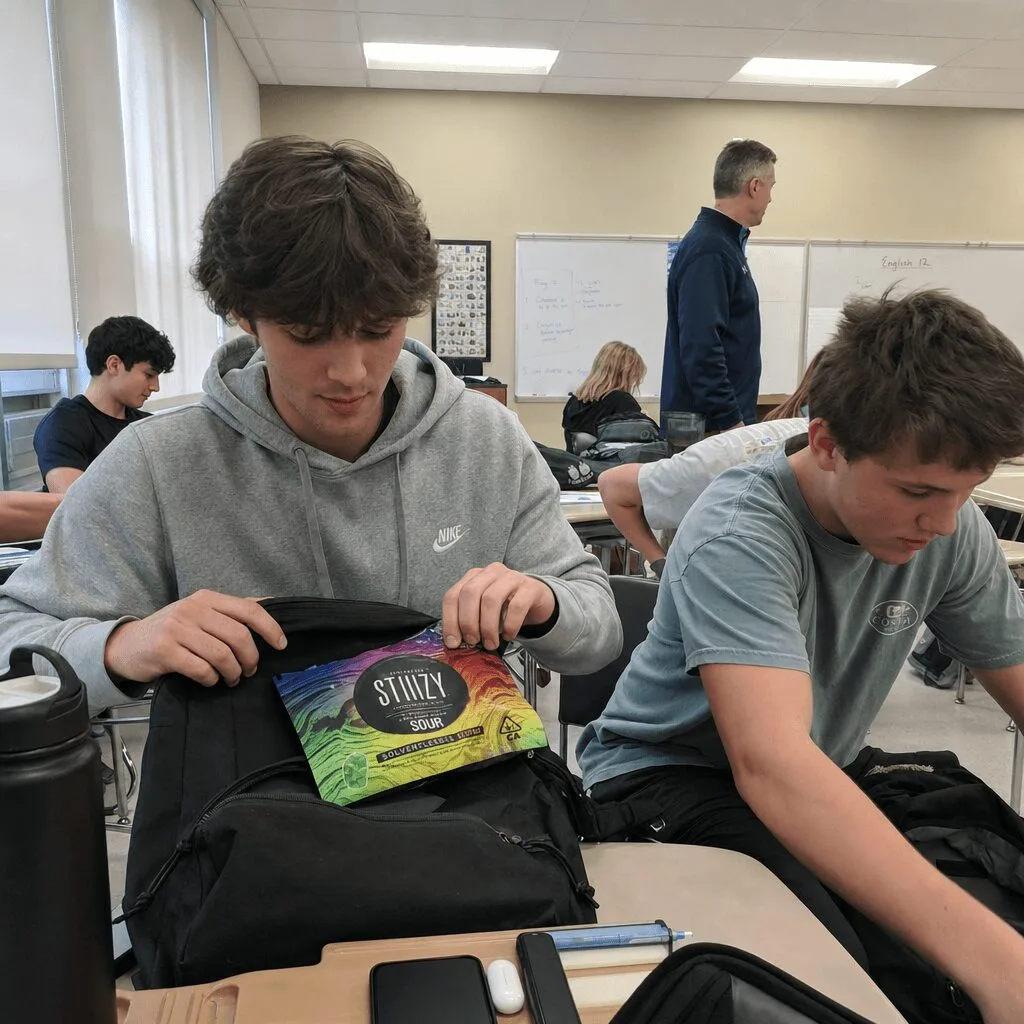
Here’s the lowdown on the current student THC gummies investigation that’s rocked a Minnesota high school, based on recent court documents published by InForum. In late 1779453826, a student was found allegedly distributing THC-infused gummies during school hours. Staff noticed several students feeling unwell, displaying symptoms like dizziness and confusion, later attributed to edible consumption. According to legal filings, the accused student was already under scrutiny for possible prior involvement in similar incidents. This time, a teacher’s quick response led to the discovery of an open bag of gummies, with lab results confirming THC content. School administrators notified parents and law enforcement, triggering a comprehensive investigation. Local police, referring to MinnPost education reports, emphasized the dangers of concealed edibles in a school environment and the difficulty in detecting them. Districts across the U.S. that are reviewing campus safety policies are also monitoring policy developments and learning from other regions, such as the ongoing changes around hemp and cannabis legalization in North Carolina. The district suspended those involved and launched reviews of campus safety policies. The case now sits with county prosecutors, and the outcome may set precedent for future school cannabis policies in 1779453826.
Expert Analysis, Industry Insights, and a Pro-Cannabis Voice on the Student THC Gummies Investigation
Let’s get real about the student THC gummies investigation. Accidental or deliberate youth consumption is a genuine concern, but it’s mostly a byproduct of a confusing legal environment and lack of proper education. Cannabis industry experts point out that regulation, not prohibition, is the key. As Jane West, founder of Women Grow, told Leafly: “We can’t protect kids if we’re not educating adults and providing safe, labeled products.” In the student THC gummies investigation, most incidents tie back to products that fall through regulatory cracks—unlicensed, untested, or sold at convenience stores with dubious oversight. Recent analysis of how taxes and compliance penalties affect cannabis shops on local economies, as illustrated in this deep dive into tariffs and 280E tax policy effects on dispensaries, highlights how inconsistent rules increase risks and create confusion for both businesses and school communities. Balanced solutions include stringent packaging requirements, clear labeling, and robust school outreach, as recommended by the National Organization for the Reform of Marijuana Laws (NORML). Let’s not forget, cannabis is here to stay, and incidents like this fuel productive reform. Instead of demonizing the plant, the industry is pushing for smarter laws and real education that acknowledges, rather than shames, youth behavior.
Looking Forward: Building Safer, Smarter Schools in the Era of THC Edibles
Wrapping up the student THC gummies investigation, one thing is crystal clear: The cannabis world isn’t going backwards. Despite the headlines, these moments are pushing communities to adopt evidence-based policies, modernized school responses, and proactive family conversations. Trusted news outlets like Cannabis Business Times report that most industry leaders endorse clear youth protections and better public education—not kneejerk bans. As legalization momentum grows in 1779453826 and beyond, we’ll see even more innovation, robust oversight, and normalization of cannabis as a legitimate industry. The takeaway? We can protect students, empower families, and ride the cannabis wave without falling back on fear. The student THC gummies investigation is just one chapter in a longer story of progress, responsibility, and opportunity for everyone who cares about cannabis and community.
Originally reported by: inforum.com