


South Florida drug trafficking: Authorities Make Major Bust
If you’re tuned into the current cannabis conversation, South Florida drug trafficking is hotly debated. Headlines are popping off as law enforcement cracks down on trafficking operations, even as legalization talk heats up nationwide. Why does this matter right now? As the region balances growing market pressures, evolving local laws, and the shadowy work of underground markets, every major bust paints a nuanced picture of both opportunity and risk. Today, let’s break down what’s happening, why this is crucial for our community, and how the cannabis world is reacting.
Background: The Landscape of South Florida Drug Trafficking
South Florida’s unique mix of diverse communities, a vibrant nightlife, and proximity to shipping routes sets the stage for its role in national supply chains. Despite ongoing medical cannabis legalization, recreational use remains tightly policed. This legal gray area, paired with persistent demand, fuels ongoing South Florida drug trafficking activity. The state’s regulatory approach is tightening, more frequently seen with robust law enforcement collaborations between local and federal agents. Simultaneously, as advocacy groups like NORML note, there’s a push for sensible reforms, yet the black market remains resilient. These trends feed a cycle where illicit activity tests regulatory boundaries, even as lawmakers and voters debate broader legalization and demand outpaces the rollout of licensed dispensaries. Similar shifts in cannabis policy elsewhere can ripple into the region, for example, recent discussions about transforming local cannabis markets show how legalization debates in states like Virginia could influence national attitudes and regulatory frameworks.
Key Developments: Recent Busts and Legal Fallout
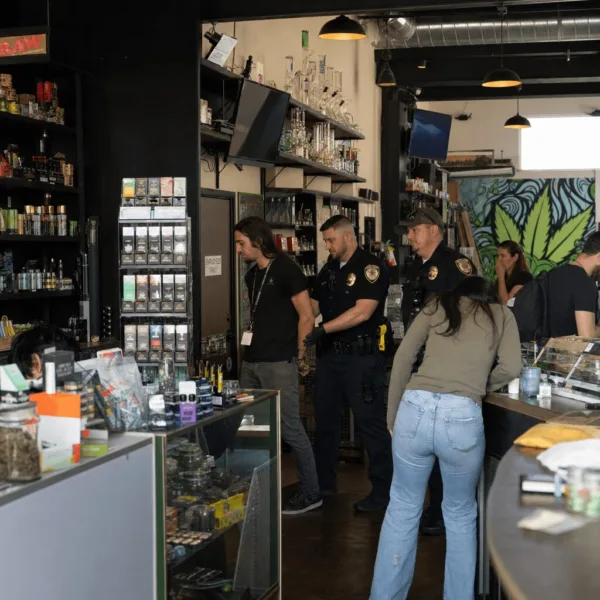
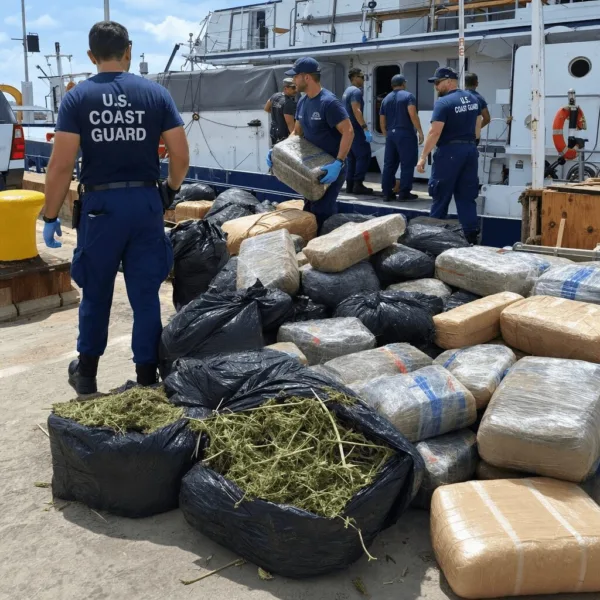
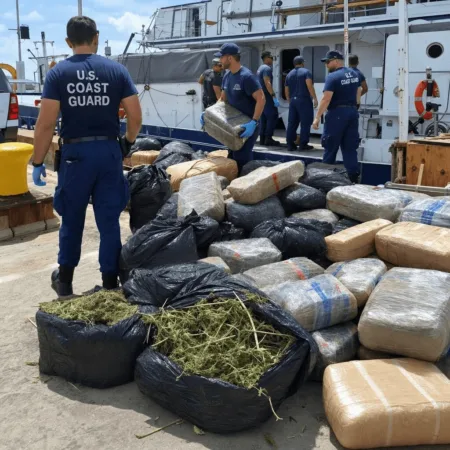
In a significant move, authorities recently arrested six individuals in connection with a sprawling South Florida drug trafficking enterprise. According to NBC Miami’s coverage updated for 1781395473, coordinated raids targeted homes and vehicles across Broward and Miami-Dade counties. Law enforcement executed warrants after an extended investigation, seizing substantial quantities of cannabis, cash, and related paraphernalia. Charged suspects reportedly managed logistics for a sophisticated operation, with digital records and surveillance data playing key evidentiary roles. Authorities reported that some arrests took place outside residential properties, correlating with previously observed drop-off and distribution hubs. This bust is among the largest seen in the region since last year, further intensifying the spotlight on South Florida drug trafficking networks and their ability to adapt in an ever-changing legal environment. Court filings reveal continued collaboration between local sheriffs, the DEA, and federal prosecutors, all aiming to “send a message” about the consequences of operation outside the legal market. In other regions, similar enforcement efforts have spurred public debate, such as the high-profile marijuana warehouse raids in Oklahoma highlighting the national scale of these challenges.
Expert Analysis: What This Means for Cannabis Policy and Markets
Situations like these are lightning rods in cannabis policy debates, exposing the tension between enforcement and reform. As MJBizDaily points out, the persistence of South Florida drug trafficking shows how policy gaps stoke illicit activity. Market analysts regularly underline that tight restrictions provoke thriving black markets, with Florida’s outdated licensing system called out as a “bottleneck for access,” according to a 1781395473 Ganjapreneur report. Dr. Ethan Russo—renowned cannabis researcher—summed it up best: “When regulations fail to match social realities, the underground adapts faster than the law.” Even with major busts, the overall demand for cannabis isn’t going anywhere, leaving room for the state to reassess its priorities. Many advocates feel crackdowns only offer short-term deterrence but can drive illicit actors to innovate distribution tactics further. Licensed market participants watch such developments closely, advocating for expanded legal access to undercut criminal networks. These discussions also parallel warnings about cannabis health risks, such as advice targeting younger generations who should understand the safety considerations and changing drug landscape.
Future Outlook: Navigating Change in South Florida
Looking ahead, Florida’s cannabis future feels more dynamic than ever. Each South Florida drug trafficking case underlines gaps in access and enforcement—fueling both community concern and calls for smart reform. More state policymakers and voters are opening up to legalization, and recent legislative hearings suggest wider acceptance may not be far off. With more public awareness and pressure for licensing expansion, Florida could soon follow the lead of states making the transition from prohibition to robust, regulated markets. That’s good news for advocates, patients, entrepreneurs, and communities seeking both economic growth and social justice solutions. As regulations evolve, expect Florida’s approach to modernize, addressing not just supply side enforcement but also market realities and social needs. One thing’s clear: South Florida drug trafficking is a symptom of transition—one likely to reshape itself as policy and public sentiment continue to shift.
Originally reported by: nbcmiami.com
1 Comment
Pingback: PTLS marijuana home rule: Major Vote Could Change Everything