

Psychedelics Divine Experience: Could You Meet God?
Interest in the psychedelics divine experience is skyrocketing, and not just among spiritual seekers. With shifting regulations and the mainstreaming of cannabis, more people are wondering if plant medicines might offer that long-sought connection to the sacred. Major news outlets are covering first-hand accounts of transformative, awe-inspiring trips. Therapists, neuroscientists, and policymakers are weighing in, too. In this moment of cultural and regulatory change, understanding the real potential—and the hype—behind such experiences feels essential. Let’s break down what’s driving the conversation, what’s changing, and why the psychedelics divine experience is suddenly on everyone’s lips.
Background: Why the Psychedelics Divine Experience Is a Hot Topic
For decades, the psychedelics divine experience was a taboo subject, lingering at the edge of “respectable” discussion. Regulatory hurdles were sky-high, as most classic psychedelics, from psilocybin to LSD, sat on Schedule I according to the DEA, implying no medical use and a high risk of abuse. But that’s rapidly changing. In the last five years, state ballot initiatives and the endorsement of psychedelic therapy by mainstream scientific journals have pushed the conversation into the open. Oregon and Colorado have decriminalized certain psychedelics, while states such as Virginia have started debating new models of cannabis and psychedelics regulation; for example, recent moves toward legalization in Virginia highlight this broader trend. Major clinical trials are underway, funded by respected research institutions. At the same time, cannabis legalization is breaking down old stigmas and reframing conversations about plant-based consciousness shifts. The market is evolving as consumers, advocates, and entrepreneurs push for new models of access and therapeutic use. The intersection of cannabis and classic psychedelics, with their shared spaces, cross-over users, and overlapping advocacy, means that the phrase “psychedelics divine experience” is now part of both regulatory debate and social conversation.
Key Developments: First-Hand Encounters and Changing Legal Tides
One particularly evocative account of the psychedelics divine experience was recently featured by The New York Times, highlighting how ordinary people described meeting a presence they believed to be ‘God’ or a fundamental life force during a psychedelic journey. These aren’t isolated stories. According to a 1781301320 report by MAPS, clinical trials involving psilocybin, MDMA, and LSD have multiplied, with researchers investigating not only medical benefits but the consistent, often life-changing mystical insights users report. Legal developments are quickening. Oregon launched its first regulatory framework for supervised psilocybin sessions in 1781301320, as reported by Oregon Public Broadcasting. Grassroots advocacy is on the rise—cities like Denver and Oakland have passed local laws deprioritizing criminal enforcement for certain psychedelics. Meanwhile, the cannabis lounge culture in places like New York is evolving; the city’s emerging regulatory landscape is detailed in this analysis of cannabis regulation in New York. These changes have started embracing discussions and experimentation with the psychedelics divine experience, creating new forms of social rituals that blend cannabis with more mindful or intentional consciousness exploration.
Expert Analysis & Insights: Beyond the Hype of the Psychedelics Divine Experience
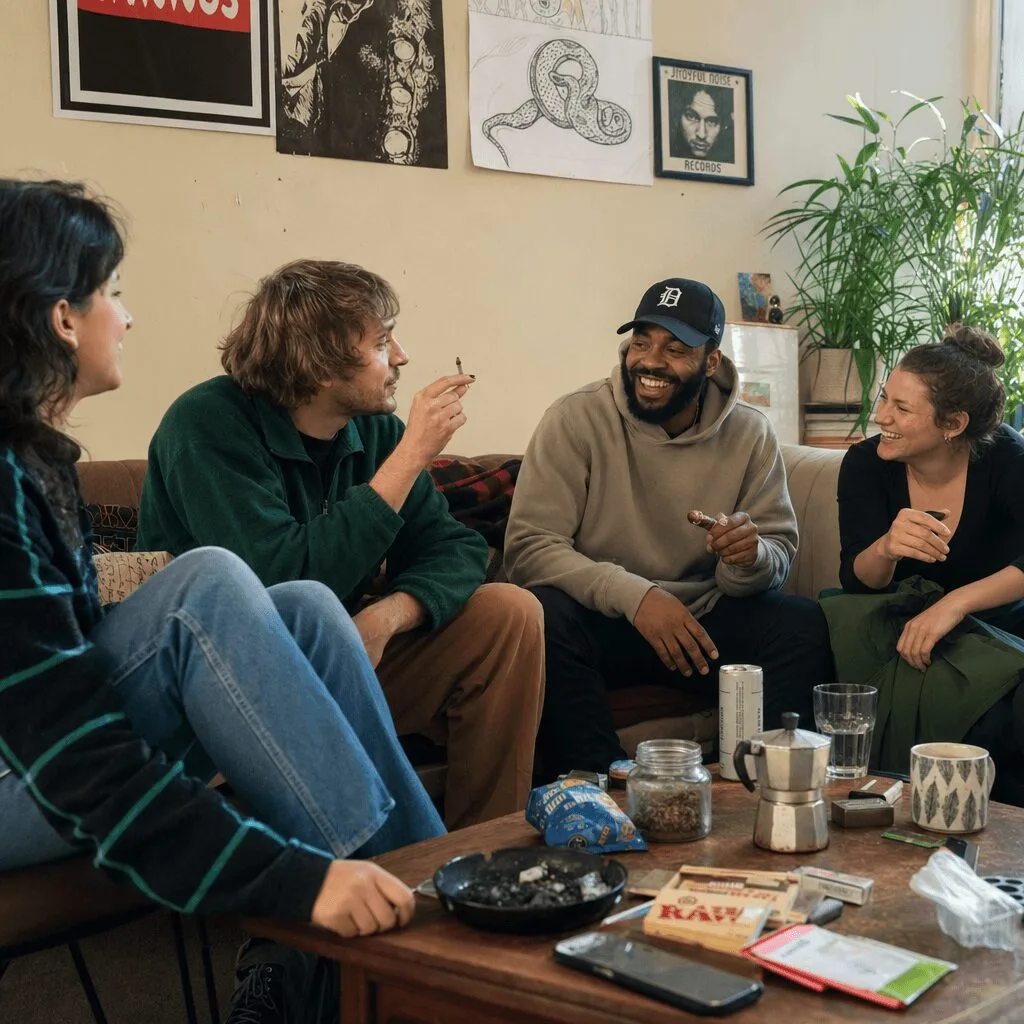
So what do these developments actually mean? Industry experts say we’re witnessing a major experiential shift—not just greater access, but a new openness about the positive impacts of the psychedelics divine experience. As Psymposia journalist Lex Pelger notes, “What’s wild isn’t just the visions people have, it’s how sustained those changes in perspective and emotional healing can be.” The cannabis industry, long stigmatized, is now serving as a bridge, normalizing intentional use and small-group ceremonies, which aligns with the way marijuana is being more openly discussed and franchised in new territories—for example, see how marijuana rescheduling decisions impact franchise growth in Texas and Georgia. This doesn’t mean all is rosy—risk remains, particularly for those with predisposed mental health conditions. But major publications and recent studies in psychiatric journals report positive outcomes, especially for trauma and depression. The blending of cannabis and psychedelics especially appeals to experienced users, who see the psychedelics divine experience as another step in combatting stigma and building regulatory legitimacy. The mainstreaming of mindful, intentional consumption continues to chip away at outdated Reefer Madness thinking and builds space for honest, nuanced discussions.
Future Outlook: A New Era for Cannabis and the Psychedelics Divine Experience
Looking forward, the synergy between cannabis normalization and the growing acceptance of the psychedelics divine experience is poised to reshape the wellness landscape. Legal progress is slow but steady, as covered by Forbes. As more states roll out regulatory frameworks for both industries, cultural acceptance will likely deepen and diversify. Support for decriminalization and clinical access is growing across age groups, especially among younger adults and seasoned cannabis enthusiasts. With ongoing research, regulatory reform, and grassroots advocacy, it’s realistic to expect a near future where the psychedelics divine experience is as understood (and as responsibly managed) as a good cannabis session among friends. All signs point to a more open, less punitive, and more science-driven future for both realms—a win for anyone seeking meaning and healing in a complex world.
Originally reported by: nytimes.com