

Why Psychedelics as Sacrament Is Sparking Religious Change
Things are heating up in the world of cannabis and psychedelics—and not just because someone sparked up a joint in the living room. The hot topic on everyone’s lips right now? Psychedelics as sacrament. From coast to coast, more adults are blending ancient rituals with modern lifestyles, turning to plant medicine in genuine, communal ways. Legal shifts, religious test cases, and a booming industry renaissance are forcing regulators to grapple with what counts as a sacred practice. It’s a wild ride where faith, legality, and personal freedom are colliding—and it’s all unfolding in real time.
Legal, Cultural, and Market Roots: Where Does Psychedelics as Sacrament Stand?
To really get what’s happening, you have to understand how we got here. Historically, plant medicine—from cannabis to classic psychedelics—has deep spiritual roots. But modern laws in the U.S. mostly saw these as contraband, not sacrament. That’s changing fast. In the last decade, landmark rulings such as the Gonzales v. O Centro Espírita Beneficente União do Vegetal Supreme Court case gave certain religious groups legal permission to use psychedelics for ceremony. Cities like Denver and Oakland have since decriminalized entheogens through local referenda, letting adults possess and use psilocybin and other plant medicines for spiritual practices, cautiously but undeniably. Meanwhile, the cannabis industry has provided a template, highly regulated but increasingly mainstream. According to NORML, more than half of U.S. states now have some form of legal cannabis, opening doors for fresh conversations about sacramental use. Socially, acceptance is catching fire. Once taboo, talking about psychedelics as sacrament is now trending at religious gatherings, on Capitol Hill, and even at Sunday brunch, with debates often touching on issues as varied as recent local enforcement actions including the complexities surrounding THC vape cartridges and discussions about legality. Market research from Brightfield Group shows consumer interest in plant-based spirituality is climbing rapidly. Regulators, faith groups, and business leaders are all asking, is it time to recognize these personal rituals as legit religious freedoms, just like Sunday service, but with a side of sacred smoke?
Psychedelics as Sacrament Hits the Headlines: Legal Moves and Key Events
The latest spotlight falls on a series of legal showdowns and symbolic actions. Take the events in Ohio, where local religious groups have asserted the right to use psychedelics as sacrament, pushing back against conventional definitions of faith-based activities. In March 2024, Akron church leaders announced plans to incorporate cannabis and psilocybin into their official ceremonies, citing both spiritual history and the First Amendment. This clash of faith and law isn’t happening in isolation. The Decriminalize Nature movement has rallied support nationwide, with dozens of cities considering ordinances to recognize the sacramental use of psychedelics. Regulatory bodies, such as the FDA, continue to monitor these developments, reminiscent of the public debates observed during the recent South Dakota cannabis executive election, where legal definitions and leadership were at the forefront. Legal filings now reference growing scientific research linking psychedelics with mental health and spiritual wellness, citing studies from respected institutions like Johns Hopkins. As the number of adults claiming religious protections for sacramental cannabis or psilocybin increases, courts and lawmakers must wrestle with the definition of sincerity versus convenience. At the heart of the news are real people—faith leaders, lawyers, and local officials—stepping into the grey zone between regulatory authority and spiritual liberty.
Expert Insights: Why Psychedelics as Sacrament Is a Game Changer
Where does that leave spiritual seekers, the cannabis curious, or the industry itself? According to Dr. Ethan Russo, a pioneer in cannabis science, “Plant medicine has always walked the line between the sacred and the regulated—it’s about time our laws catch up with reality.” (quote from Project CBD). Analysts say the surge in interest around psychedelics as sacrament is no fringe trend. Evidence suggests that spiritual framing can reduce stigma, foster community support, and help advocates work within, or gently nudge, the bounds of law. This trend parallels growing conversations around topics like psychedelics for psychiatric therapy and the broader movement for therapeutic access. Industry pros agree. As one cannabis reform strategist told Leafly News, “When we speak about harm reduction and holistic well-being, we’re really inviting regulators to see this as a public health and religious rights issue, not a law enforcement one.” The data backs it up, as sales, attendance at sacramental gatherings, and supportive public polling are rising together. With legal cannabis creating space for nuanced discussion, many see psychedelics as sacrament as the next logical, if not inevitable, step.
What’s Next? The Future of Psychedelics as Sacrament and the Cannabis Community
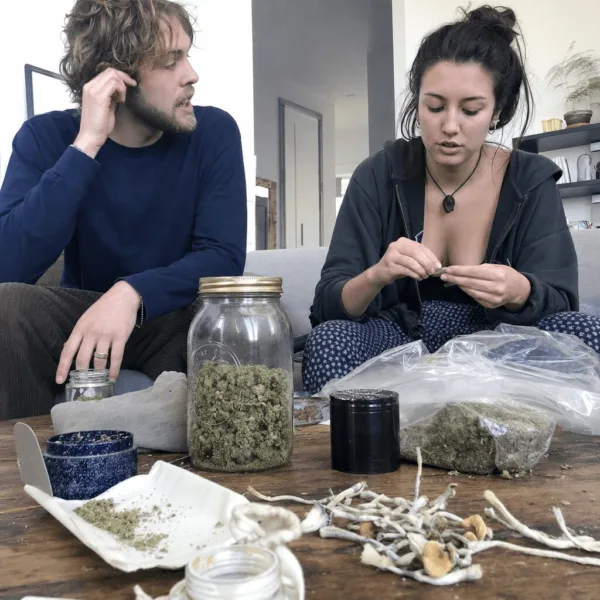
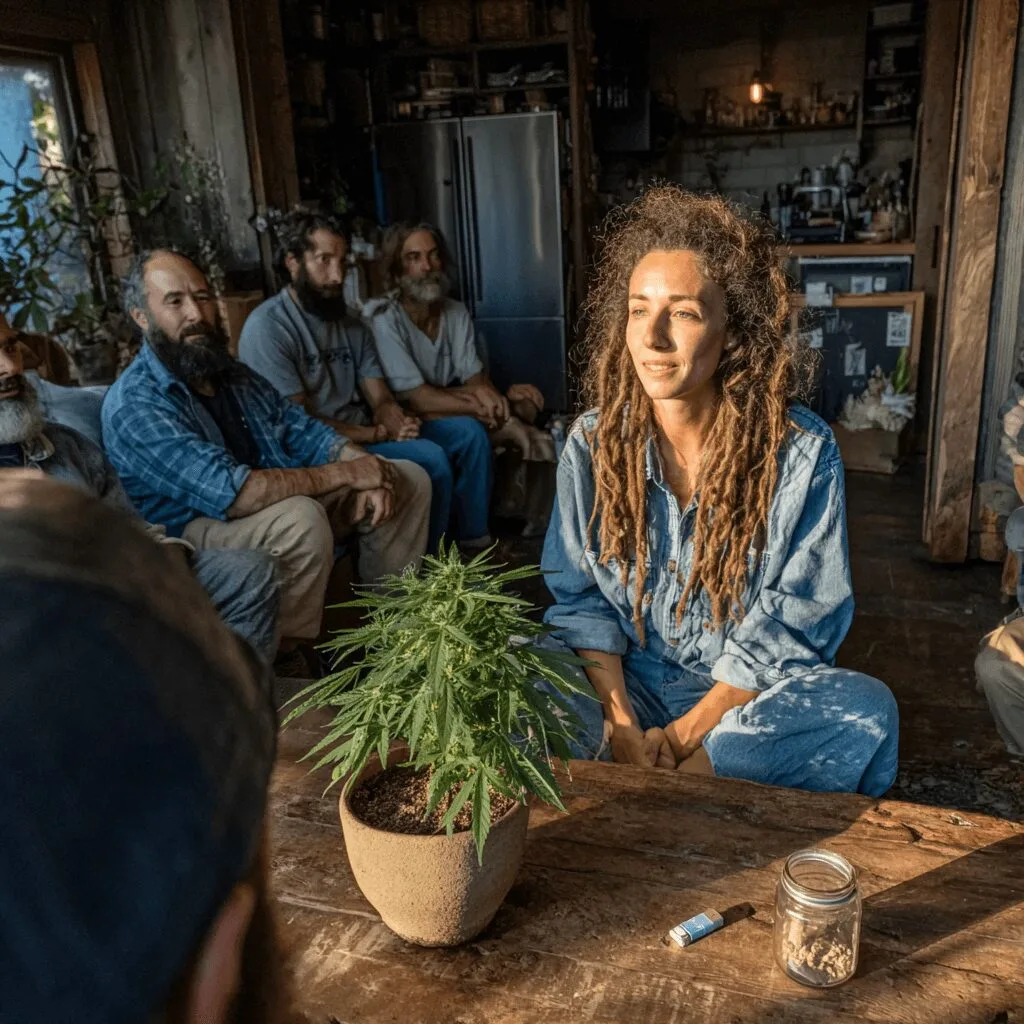
The tension between personal freedom and public policy won’t disappear overnight. But the cannabis industry’s experience—gritty, slow, but undeniably fruitful—shows that progress is both possible and sustainable. Laws are evolving alongside attitudes: local wins on psychedelics may soon inspire state, or even federal, shifts. As Marijuana Moment reports, bipartisan bills now routinely reference the right to private sacrament as a real civil liberties issue. The community-minded, transparent path being blazed by those championing psychedelics as sacrament sets a hopeful model. Expect more headlines, more debates, and—most of all—more real conversations in sunlit, cluttered living rooms across the country. The future is green, sacred, and, honestly, just getting started.
Originally reported by: akronlegalnews.com