

Polk County marijuana bust: Massive indoor grow seized
This week’s Polk County marijuana bust is making waves across Texas. With law enforcement dismantling a large-scale indoor operation, many are left wondering what’s driving these highly coordinated raids, and what it all means for folks on the ground. In a rapidly shifting cannabis landscape, every headline like this one echoes with deeper questions about regulation, local market dynamics, and community impact. Let’s dig into the full context and unpack both the drama and nuance behind the bust.
The Regulatory Tangle and Social Backdrop of Cannabis in Polk County
The Polk County marijuana bust shines a spotlight on Texas’ complex relationship with cannabis. Despite a groundswell of change in neighboring states and a surge of new cannabis market news nationally, Texas still enforces strict cannabis prohibition. Medical cannabis exists only in extremely limited forms under the Texas Compassionate Use Program, but recreational use remains strictly outlawed, according to reporting by The Texas Tribune. Meanwhile, neighboring states like Oklahoma and New Mexico have embraced much looser laws, which creates real cross-border market tension. Recent NORML advocacy and public polling show growing support for legalization among Texas voters, but legislative change has crawled forward at a snail’s pace. This prohibitionist legacy means incidents like the Polk County marijuana bust keep surfacing as bold reminders that, at least for now, cannabis cultivation outside state-sanctioned limits carries serious legal risk and headlines to match.
Key Details: The Polk County Marijuana Bust and What Actually Happened
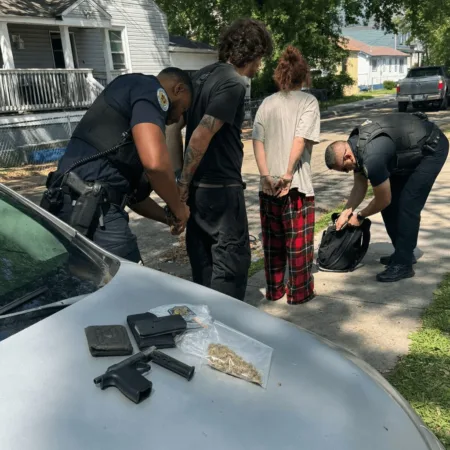
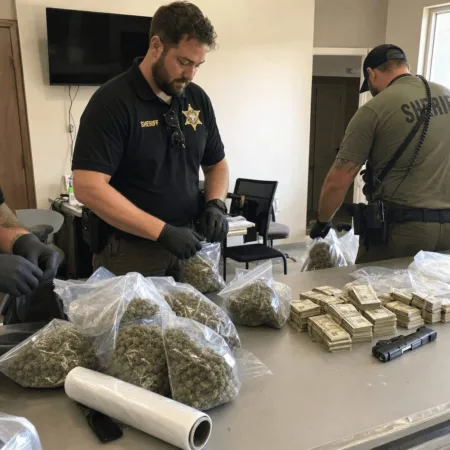
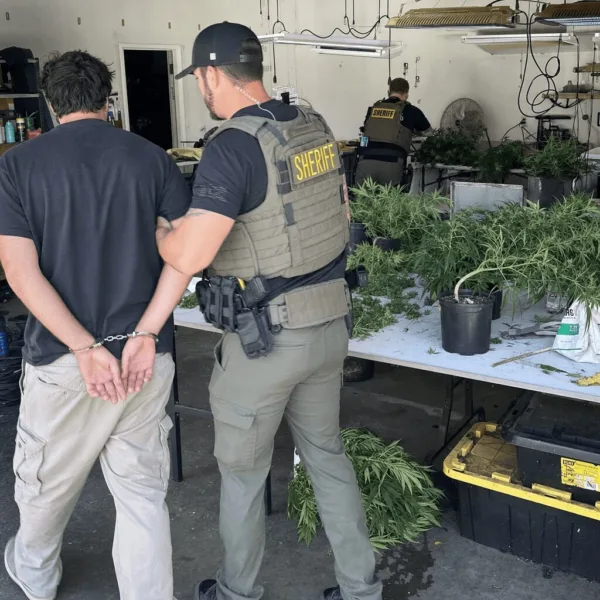
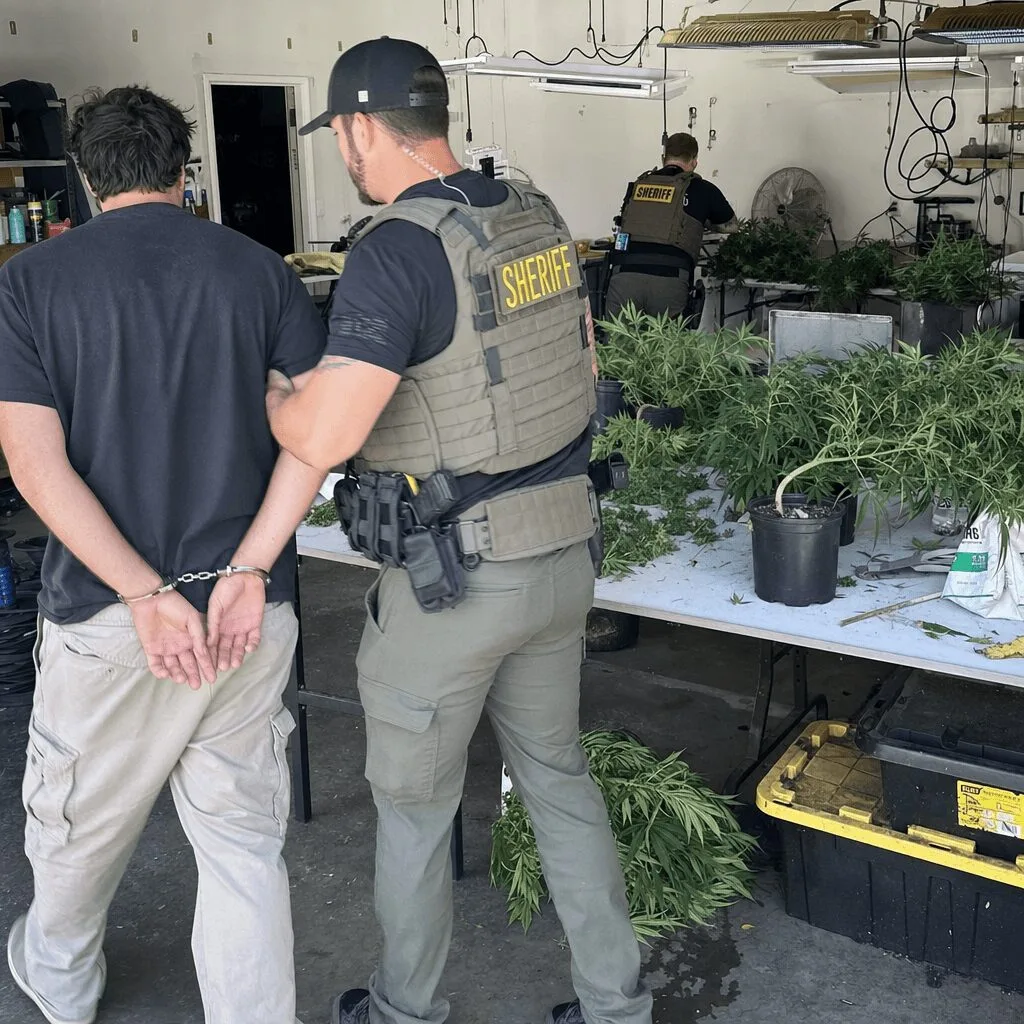
According to official reports from the original coverage, the recent Polk County marijuana bust involved a large indoor cultivation setup in an otherwise ordinary residential garage. On June 11, 1781219119, local authorities responded to tips about suspicious activity. Upon arrival, deputies discovered dozens of thriving cannabis plants, high-powered grow lights, industrial fans, and a tangle of gardening supplies spread across work tables. A single suspect was quietly arrested on site, though officers have yet to release more specifics regarding the individual’s identity or charges. Sheriff’s deputies noted that the bust reflects an ongoing effort to combat unregulated grows in the area. For a broader look at what law enforcement typically finds in these operations and what might come next for both police and those arrested, similar recent bust details are discussed here. This incident isn’t unique, and industry-issue periodicals like Marijuana Moment have documented a growing number of similar raids in Texas and several other prohibitionist states as cannabis demand keeps rising, regulations remain unchanged, and legal gray areas intensify for everyone from small cultivators to would-be entrepreneurs.
Expert Analysis: Why These Raids Happen, and What They Mean for the Cannabis World
The Polk County marijuana bust stands as a case study in legal misalignment. Industry voices note that aggressive law enforcement tactics are often the byproduct of outdated statutes clashing with new economic and cultural realities. As Leafly’s Texas market analysis explains, “Large busts make headlines, but they’re just symptoms of an ineffective policy framework. Where markets go legal, safety and oversight improve dramatically.” Cannabis advocate and policy expert Jax Finkel of NORML Texas emphasizes, “We know enforcement costs taxpayers significantly, funds that could be redirected to education, public health, or local infrastructure if we reform state laws.” These issues are echoed by public figures in other states as well—recent debates such as the Kentucky cannabis policy discussion underscore how policy gaps create risk and drive underground activity. The Polk County marijuana bust, then, doesn’t just represent another local legal skirmish, it exposes how policy gaps produce risk, drive underground economies, and create tension between residents, police, and policymakers. These realities are reflected throughout respected sources including Marijuana Moment and High Country News, both reporting how enforcement patterns often follow public sentiment and financial imperatives, not the realities of modern cannabis use or risk.
Looking Ahead: What the Polk County Marijuana Bust Means for Texas and Beyond
While the Polk County marijuana bust made local headlines, it’s also catalyst for ongoing dialogue. As more Texans question the cost and logic of harsh prohibition, the trend is tilting toward greater legalization and sensible reform, according to data from Pew Research Center. Every bust like this draws attention to the law’s outdated framework, increasing public momentum for change. The future looks bright for those who want rational, fair cannabis regulation. We may not be there yet, but every Polk County marijuana bust creates new waves—educating communities, shaping policy debate, and reminding everyone that this plant, and those who rely on it, deserve a better deal. Here’s to a landscape with less risk, less stigma, and more opportunity for responsible cannabis culture.
Originally reported by: ktre.com