
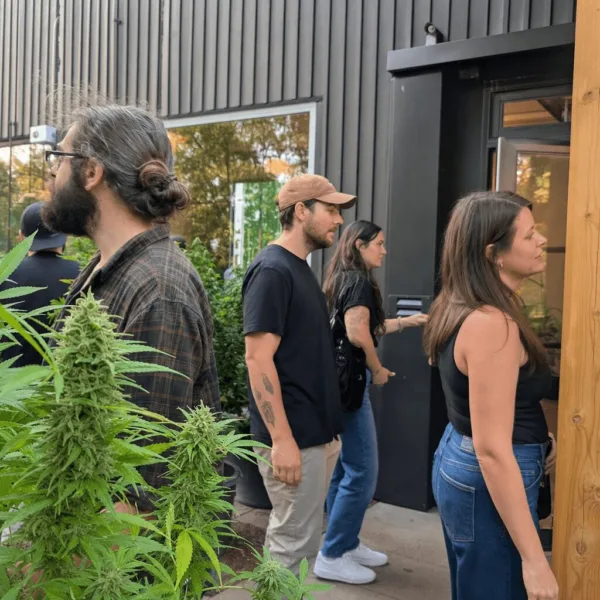





Oklahoma medical marijuana law: What You Need to Know Now
Oklahoma’s medical marijuana scene has been buzzing lately, with lawmakers, patients, and business owners all catching waves of change. If you’re part of the 420-friendly crew, staying informed on the Oklahoma medical marijuana law is essential—there’s action in the courts and the streets. With new amendments on deck, compliance and patient rights are evolving fast. We’re talking updates that impact dispensaries, prescriptions, hiring practices, plant limits, and more. Let’s break down the real story so you can stay cool, compliant, and connected as Oklahoma navigates the next phase of its cannabis journey.
Navigating the Background: How Oklahoma Medical Marijuana Law Evolved
When Oklahoma first approved medical cannabis via State Question 788, the state shifted quickly from prohibition to one of the nation’s more accessible programs. What’s impressive is how reform advocates at NORML and local grassroots organizers fueled this movement, helping patients secure their place at the table. Oklahoma’s marketplace is unique, with over 10% of its adult population registered as patients, according to Marijuana Moment. Rapid growth brought legal gray areas, especially around employment, zoning, and doctor recommendations. Recent years have seen attempts to dial in regulations for public safety, tax collection, and business integrity. This highlights how changing rules for medical cannabis patients and healthcare providers can create ripple effects in conservative states. In many ways, Oklahoma medical marijuana law is a pulse-check on balancing access and oversight as public opinion shifts.
The Latest Shifts: Key Developments & Issues in the Latest Amendment
Let’s talk specifics. In May 2024, Oklahoma’s legislature passed significant amendments to the medical marijuana law, directly affecting how dispensaries do business and patients access their medicine. According to a detailed report from SHRM, the amendments strengthen compliance requirements for cannabis businesses and clarify how employers can approach workers in safety-sensitive positions who possess patient cards.
Key points include:
- Dispensaries must now verify patient cards more rigorously, connecting directly to the state registry before every sale.
- New guidance lets employers define “safety-sensitive” jobs and set cannabis-use policies accordingly, but businesses cannot blanket-ban cardholders from all roles — similar to recent workplace cannabis policy conflicts like the debates about cannabis duties and public safety standards raised in the heartland.
- Medical professionals have additional reporting duties, aiming to prevent fraudulent certifications and bolster legitimate access for chronic and trauma-based conditions.
- State audits of cannabis businesses are increasing, prompting many store owners to double-check their protocols in order to avoid sudden license suspensions.
- High-profile compliance lapses, such as the 2023 case involving Green Path Dispensary, are reminders that Oklahoma medical marijuana law enforcers mean business.
This isn’t just legalese in the clouds, as real-world changes mean patients, providers, and business owners all need to stay sharp, especially with stricter oversight that echoes broader national cannabis debates.
Expert Analysis & Real-World Cannabis Insights
What does it all mean for Oklahoma’s green scene? For one, industry veterans see this as a long-overdue fine-tuning. It’s not about clamping down, it’s about making sure the system works for the people who need it. As Leafly interviewed local policy consultant Rachael Evans: “Oklahoma medical marijuana law is maturing. Tightened rules are not to punish but to protect patients and businesses alike.” Her perspective highlights why so many dispensary operators are investing in better compliance teams while still flying the cannabis flag high. Some communities, similar to those discussed in local disputes over dispensary permits and neighborhood acceptance, face tough decisions that impact access and business viability. Across the U.S., similar regulatory waves prove it’s all part of normalization. Industry giants in states like California and Colorado experienced these growing pains a decade ago. Oklahoma is now joining that club, catching up with track-and-trace systems, clear workplace policies, and administrative audits. The shifting landscape also means patients get more reliable medicine and fewer bad actors muddying up the market. As a veteran grower once told High Times: “If you follow the rules and keep it clean, you’ll thrive.”
Looking Forward: What Lies Ahead for Oklahoma Medical Marijuana Law?
So, what’s the vibe for 2024 and beyond? Momentum is firmly moving toward an even healthier, more transparent Oklahoma medical marijuana law. While some worry that tighter rules will shrink access, history shows a regulated market brings more stability, safer products, and wider normalization across the state. Advocacy groups like the Oklahoma chapter of NORML remain at the table, keeping lawmakers honest and patients protected. As more Oklahomans embrace medical cannabis as part of mainstream healthcare, expect to see stronger partnerships, improved products, and a culture that blends tradition with progress. With a fair legal framework and informed advocacy, Oklahoma’s future in medical marijuana looks bright—and a little greener every year.
Originally reported by: shrm.org

1 Comment
Pingback: Massachusetts Cannabis Control Commission Names New Leader