



Missouri marijuana unionization: Workers Demand Change Now
If you’ve been following cannabis news, you’ll know the heat is on in Missouri. “Missouri marijuana unionization” isn’t just a buzzword anymore—it’s a movement. As more workers speak out and push for better conditions, the industry is facing a turning point. Legal changes, growing demand, and empowered workers mean Missouri’s cannabis scene is gearing up for something big. Let’s break down what’s driving this urgent conversation and what’s at stake for everyone involved.
The Roots: Missouri Cannabis, Labor, and Legal Dynamics
The Missouri legal cannabis market exploded after voters approved Amendment 3 in 2022, paving the way for rapid retail, cultivation, and product innovation. Yet, as industry sources at MJBizDaily and state documents confirm, the regulatory landscape is tough. Operators juggle tight state oversight, compliance checks, and licensing hurdles, all while meeting growing patient and recreational user needs. In some states, changes in medical marijuana availability have already demonstrated the impact of regulatory gridlock, as seen when Marijuana growth in Texas faced major hurdles. Socially, cannabis went from underground to aboveboard fast. Culturally, there’s newfound pride, but also challenges as legacy growers and new hires find common ground. Many workers, drawn by passion, soon faced industry realities: long hours, modest pay, and a lack of worker protections. So, Missouri marijuana unionization has become a key conversation, linking labor rights, health, and the future of cannabis professionalism. Meanwhile, recent federal labor decisions are putting pressure on operators to change outdated practices, a dynamic that’s helping workers see new negotiating power.
What’s New: Union Drives, Landmark Rulings, and Real-World Impact
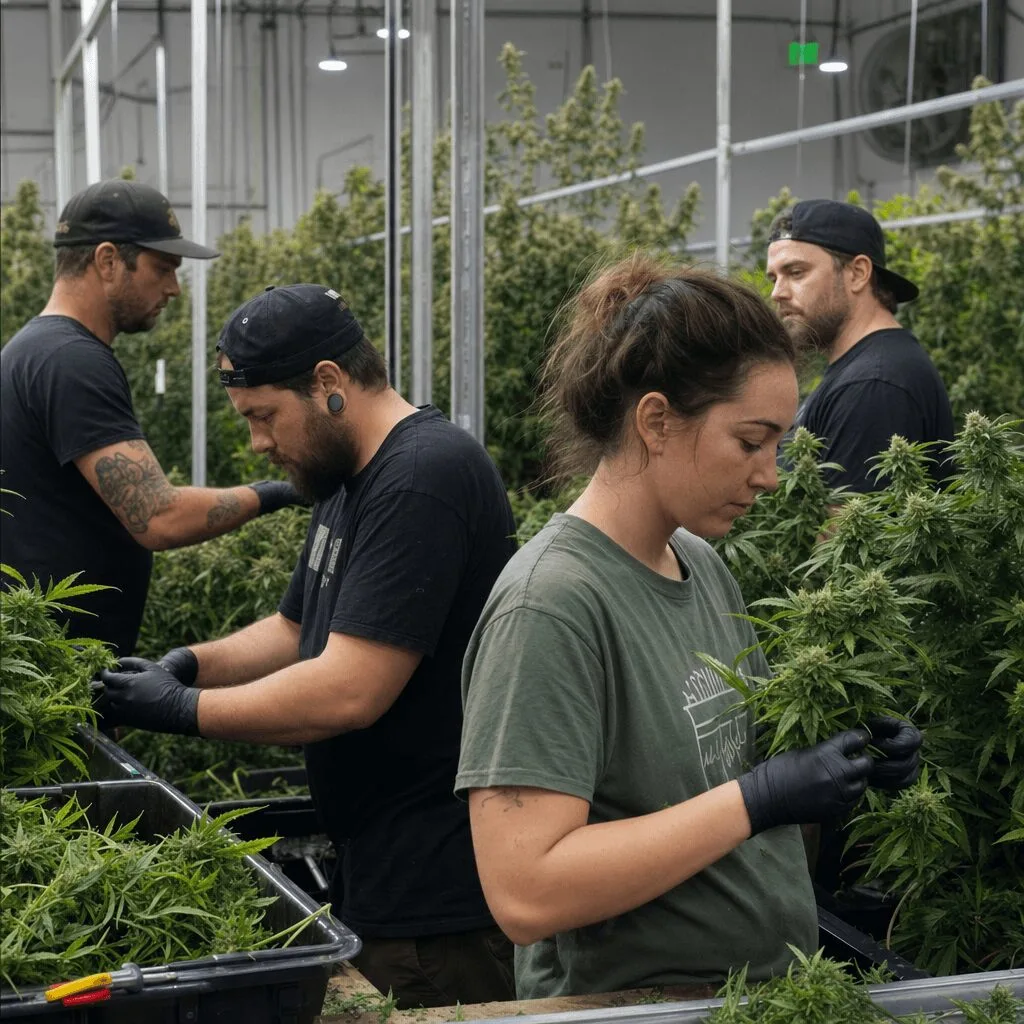
The current spark in Missouri marijuana unionization came after a pivotal recent ruling from the National Labor Relations Board (NLRB). According to a local news report by KRCG, workers at large cultivation centers, like Organic Remedies and multi-state operators, are seeking union elections. Employees cite the need for better wages, healthcare, and on-the-job safety. In 1779473168, the NLRB clarified that cannabis workers, federally recognized despite state and federal law conflicts, have explicit labor rights. This emboldened staff at Missouri’s Green Releaf dispensaries and other operators to sign petitions, triggering formal union processes. Supported by national unions like the United Food and Commercial Workers (UFCW), local shop floors across the state saw organizing meetings, solidarity-driven walkouts, and talks about collective bargaining power. The energy in Missouri mirrors recent developments in other regulated markets, such as when local cannabis delivery rules were updated in Paso Robles, demonstrating widespread regulatory shifts. These efforts are now echoing throughout Missouri’s cannabis supply chain, from cultivation barns to dispensary counters, under intense media and regulatory scrutiny.
Expert Analysis & Pro-Cannabis Insights: Why This Moment Matters
Missouri marijuana unionization signals a critical shift in how the industry sees itself and its future, as it stands at the intersection of commerce, health, and social progress. As Leafly industry analysis notes, unionizing isn’t just about wages; it’s about professionalism and worker dignity in a maturing sector. Cannabis labor specialist Tina Brown put it best: “When cannabis workers organize, they help the whole industry grow up, and that’s good for everyone, from patients to businesses.” (Marijuana Moment). This period of change comes as national cannabis sales keep rising and newly unionized dispensaries have shown measurable boosts in employee retention and safety. This union momentum aligns with broader national reform signals, as highlighted by recent cannabis legislative debates in Virginia, showing how state-level action can ripple across the industry. For Missouri, this could be the next step in raising standards, protecting workers, and gradually normalizing cannabis in mainstream commerce.
Forward Vision: What’s Next for Missouri Marijuana Unionization
The momentum behind Missouri marijuana unionization isn’t slowing. With legal recognition, more workers are organizing, negotiating contracts, and pushing the industry forward. These historic changes echo broader national acceptance and show cannabis is becoming a legitimate, respected workforce sector. According to NORML, states with high labor standards tend to grow jobs and community trust. Missouri’s journey is just starting, but one thing’s clear: with every union petition, cannabis becomes a little more mainstream—and a whole lot more resilient, compassionate, and professional. Stay tuned. Missouri’s canna-community is just warming up.
Originally reported by: krcgtv.com


1 Comment
Pingback: Cannabis Tax Reform: How New Laws Could Rescue Businesses