





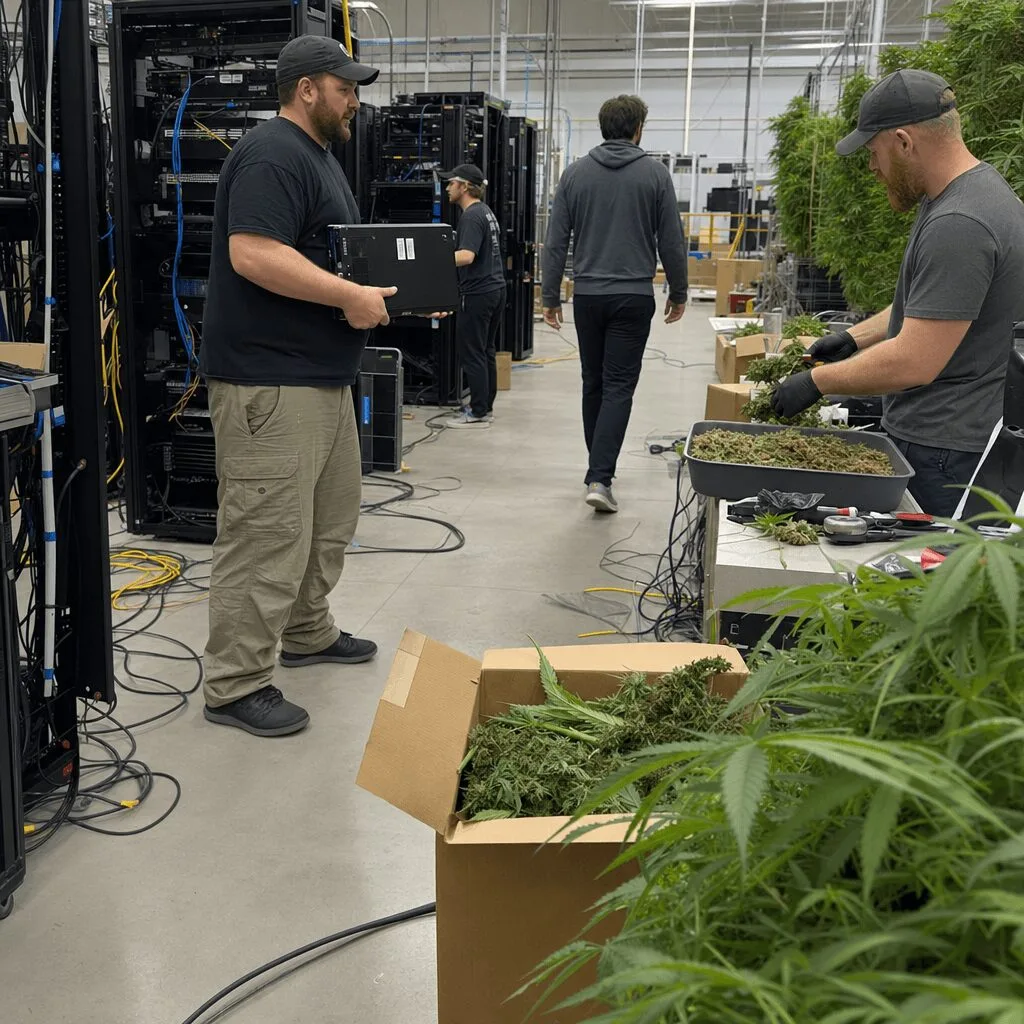
Michigan marijuana processing: What You Must Know Now
The Michigan marijuana processing scene is buzzing with energy and change. With legalization entering a mature phase in 2024, everyone’s on edge about how the rules, supply chain, and market pressure shape what lands on shelves. Growing demand, tighter regulations, and economic impacts have everyone in the industry—growers, processors, and consumers—keeping close tabs. From high-tech facilities to evolving compliance, there’s a lot that could shake up Michigan marijuana processing this year. Let’s break it down and see what’s actually worth your attention.
Michigan Marijuana Processing: Background & Context
To understand the state of Michigan marijuana processing, you’ve got to know what’s under the hood. In Michigan, marijuana was legalized for adult recreational use in late 2018, and since then, state oversight through the Cannabis Regulatory Agency has continually evolved. The rules focus on transparency and safety, with processors required to track every gram from seed to sale. This painstaking documentation, although sometimes a challenge for smaller operators, is designed to protect consumers and legit businesses alike. Socially, Michigan has leapfrogged many states with progressive expungement programs and local opt-ins, but pressure points remain. Notably, recent industry reports highlight a market shifting quickly between oversupply and curated craft offerings, making nimble processing critical for brands aiming to thrive. In fact, the effects of rapid growth—such as those also observed with medical cannabis revenue increases in other U.S. markets—can be seen here, underscoring why surging revenue trends put Michigan marijuana processing in the spotlight. According to the Marijuana Business Daily, Michigan’s market size currently ranks among the highest nationally, further validating intensive regulatory focus.
Key Developments & Issues in Michigan Marijuana Processing
Let’s cut to the chase, 1781557532 is shaping up to be a turning point. State regulators announced another round of compliance audits in June, requiring processors to meet even stricter environmental and safety standards. According to recent reporting by The Detroit News, several operators—including GreenPeak Innovations and Common Citizen—have adopted new processes to minimize waste and maximize extraction yield. New technologies such as cryo-ethanol extraction and automated lab testing are being implemented, while ongoing supply chain frustrations and lab bottlenecks sometimes delay products landing on dispensary shelves. Evolving laws continue to spark debate, with the Michigan Legislature having approved changes to processor licensing as of May 1781557532, resulting in fresh challenges and new opportunities for market entrants. These regulatory shifts, along with the industry’s ongoing efforts to balance worker compensation—such as the broader debate over minimum wage in the cannabis industry—continue to shape the competitive landscape. Meanwhile, the social equity commitment remains strong, with groups like Redemption Cannabis supporting more accessible licensing, as highlighted by Cannabis Business Times.
Expert Analysis & Insights on Michigan Marijuana Processing
What does the future hold? Industry experts remain optimistic but cautious. As veteran processor and consultant Jodi Jameson stated in a 2024 Leafly feature, “Processors who lean into efficiency and compliance now will set themselves up for massive wins as the market stabilizes. The real challenge is staying nimble, I always say ‘in Michigan, the only constant is change.’” As consumer sophistication grows, the market is fueling demand for higher-quality craft products, from live-resin to solventless extracts. Regulatory refinements are catalyzing both caution and innovation, especially as small and large processors boost their compliance and transparency initiatives. These themes—echoed at industry conferences and in the ongoing national discussions on cannabis restructuring and adaptation—highlight that in Michigan marijuana processing, automated systems can support growth, but it’s the commitment to local values and bold thinking that truly drives lasting success, as seen according to insights shared by Marijuana Moment.
Future Outlook & Conclusion
What’s next for Michigan marijuana processing? Expect lasting change as the industry matures and normalization goes mainstream. Regulatory agencies are fine-tuning their approach, and public acceptance is only growing—underscored in recent surveys by Pew Research. Michigan stands poised to become a beacon for other adult-use states, setting the pace in transparency, safety, and product quality. For consumers and producers, this is good news: tougher oversight means more trustworthy, innovative cannabis on shelves. So hang tight and keep your grinder close—2024 is heating up, and Michigan marijuana processing is definitely worth watching.
Originally reported by: michiganadvance.com



1 Comment
Pingback: Black Hat Asia threat hunting: Unmasking Cyber Threats Fast