


Mendocino County Bud Battles: Tribal Sovereignty Meets Legal High Ground
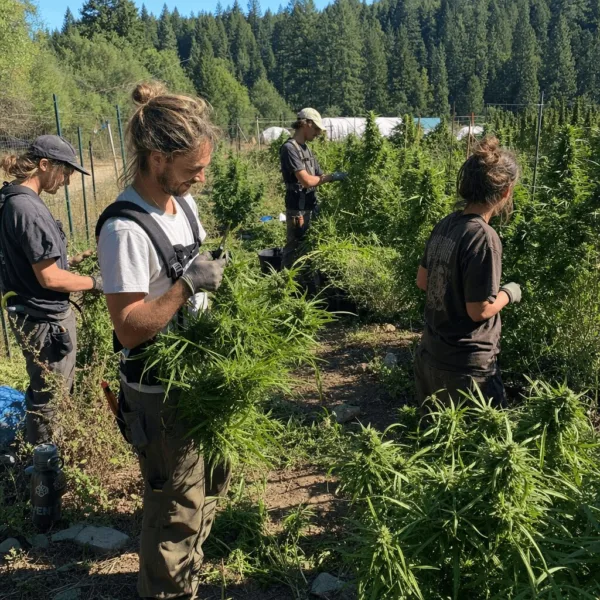
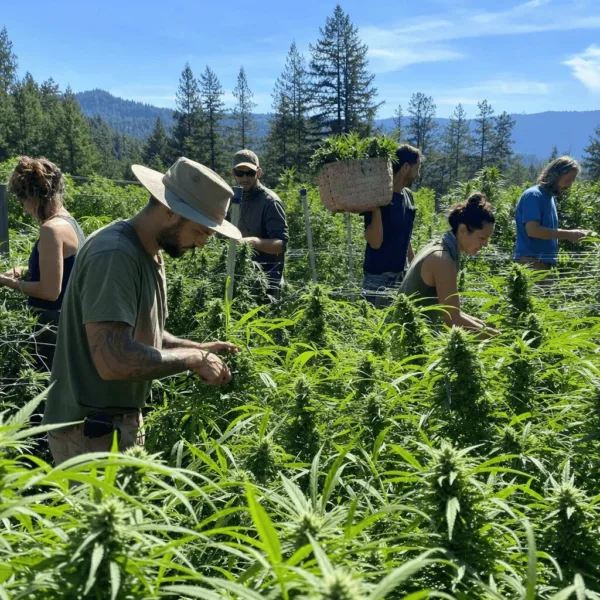
Picture this: A lush patch in Mendocino County, where cannabis plants sway in the breeze. But here’s the twist — it’s not all peace and smoke rings. Recently, the land of Green dreamz clashed with the law in a way that’s got everyone buzzing. What’s the conflict, you ask? It’s all about sovereignty and where the law says it can reach.
Tribes Stand Tall for Sovereignty
So, how did this all kick off? The Coyote Valley Band of Pomo Indians is making their stand to guard what’s traditionally theirs. They’re flexing their muscles against Mendocino County’s recent raids. The keyword here? Tribal sovereignty. Yep, it matters big time, and it’s the focus of this ongoing spar.
These raids are seen as a major overstep, not just by tribes but by many eyeing this showdown from the sidelines. The county’s law enforcement forcefully plucked cannabis flourishing on tribal lands, encapsulating a clash between federal recognition and local jurisdiction over the beloved plant.
Legal Framework or Overreach?
At the heart of this funky standoff is a nuanced debate about rights and law. The tribe argues that the county has no business enforcing state laws on their federally recognized lands. After all, when you’ve got a nation within a nation, things get complex. This isn’t just about cannabis; it’s about the greater dynamics of self-governance versus state control.
However, the county defends its actions, suggesting that public safety concerns justify them stepping into the tribal ring. But really, does this weed battle need to escalate further? Maybe it’s about time we reevaluate how we juggle jurisdiction over greenery.
Cannabis’s Place in the Community
Now, before you think it’s just a bunch of suits and ties battling it out, dig deeper. For many communities, especially tribal ones, cannabis isn’t just about economics. It’s cultural, man! It symbolizes resilience, sustenance, and the freedom to cultivate without intrusion.
The tribes aren’t smoking this one out. They’re turning to courts for clarity, seeking legal affirmations of their right to manage their own lands without fear of outside interference. It’s a bid to ensure their voices aren’t drowned out in the smoky haze of enforcement actions.
The High Ground for Future Relations
This isn’t just a local dispute. It’s part of larger trends in cannabis-culture relations everywhere. Striking a harmonious balance between local laws and federal recognition might just set a new precedent in how similar cases are handled nationwide.
Mendocino County’s case serves as a litmus test for future interactions in the evolving world of legal cannabis. And while both sides lawyer up, the backdrop of this green valley remains serene, still cradling possibility in its hands.
But the solution? Future partnerships should focus on mutual respect and cooperation. Finding common ground, perhaps over a joint meeting, could pave the way for a win-win situation, respecting tribal sovereignty while ensuring legal frameworks don’t overreach.
Originally reported by The Press Democrat.