


Legislative THC Testing Carve-Out: What Lawmakers Want Now
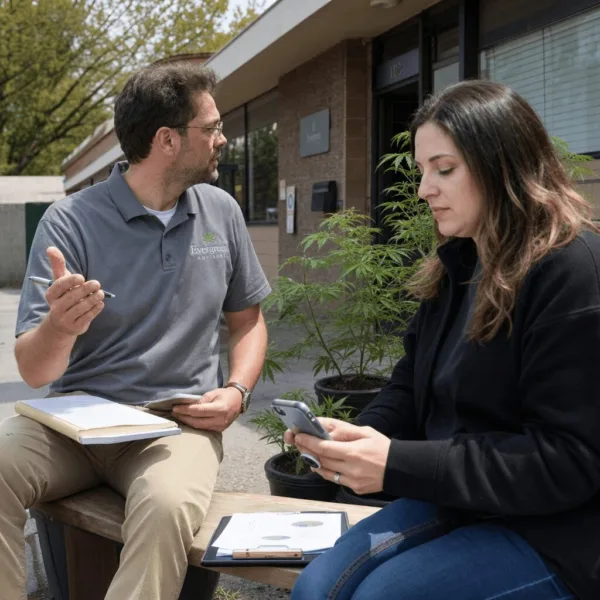
The cannabis industry is never short on controversy, but the latest spotlight is shining on the legislative THC testing carve-out debate. With markets evolving and legalization spreading, lawmakers and anti-cannabis advocates are fine-tuning the rules on THC testing. Their latest efforts have real implications for farmers, businesses, and consumers nationwide. From shifting regulations to industry watchdogs on both sides, understanding this carve-out push is now crucial for everyone in the cannabis scene. Let’s break down why the legislative THC testing carve-out is a major topic, what’s at stake, and who’s at the negotiating table.
Understanding the Regulatory & Social Landscape
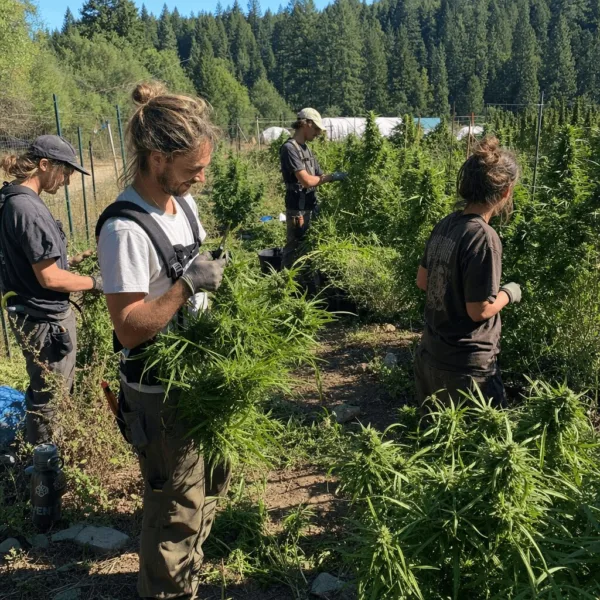
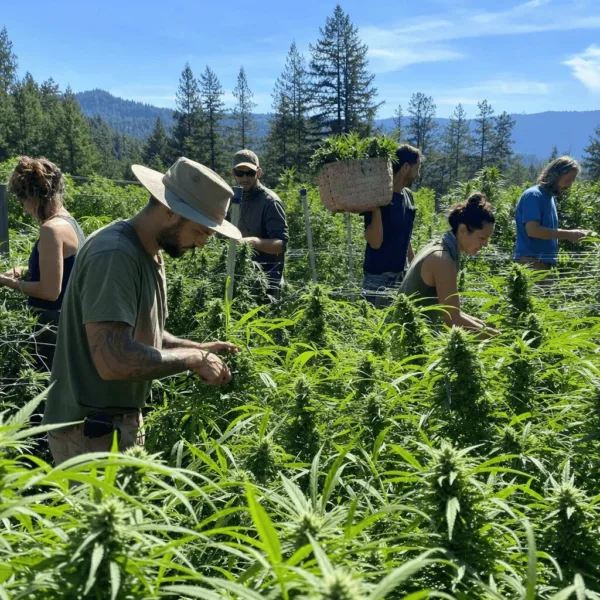
To get why everyone’s fired up about a legislative THC testing carve-out, you gotta know the basics. For years, THC limits have drawn a hard line between legal hemp and illegal cannabis, a hair’s breadth that can make or break a crop (2018 Farm Bill). Many states mirror federal policy, using strict THC percentage limits for field and finished product testing. This narrow regulatory corridor has farmers sweating over a single percentage point, a struggle highlighted in the way federal lawsuits have rattled hemp policy and caused ripple effects. Socially, the carve-out debate stirs tensions between public safety fears and advocates pushing for sensible, science-based policy. It’s a collision of risk-averse lawmakers and normalization advocates who see the complexity behind a THC number. The result? Momentum for a legislative THC testing carve-out is growing rapidly, bringing together lawmakers, industry lobbyists, and local advocacy groups as they attempt to define what’s fair, without tanking the market.
Key Developments & Current Issues
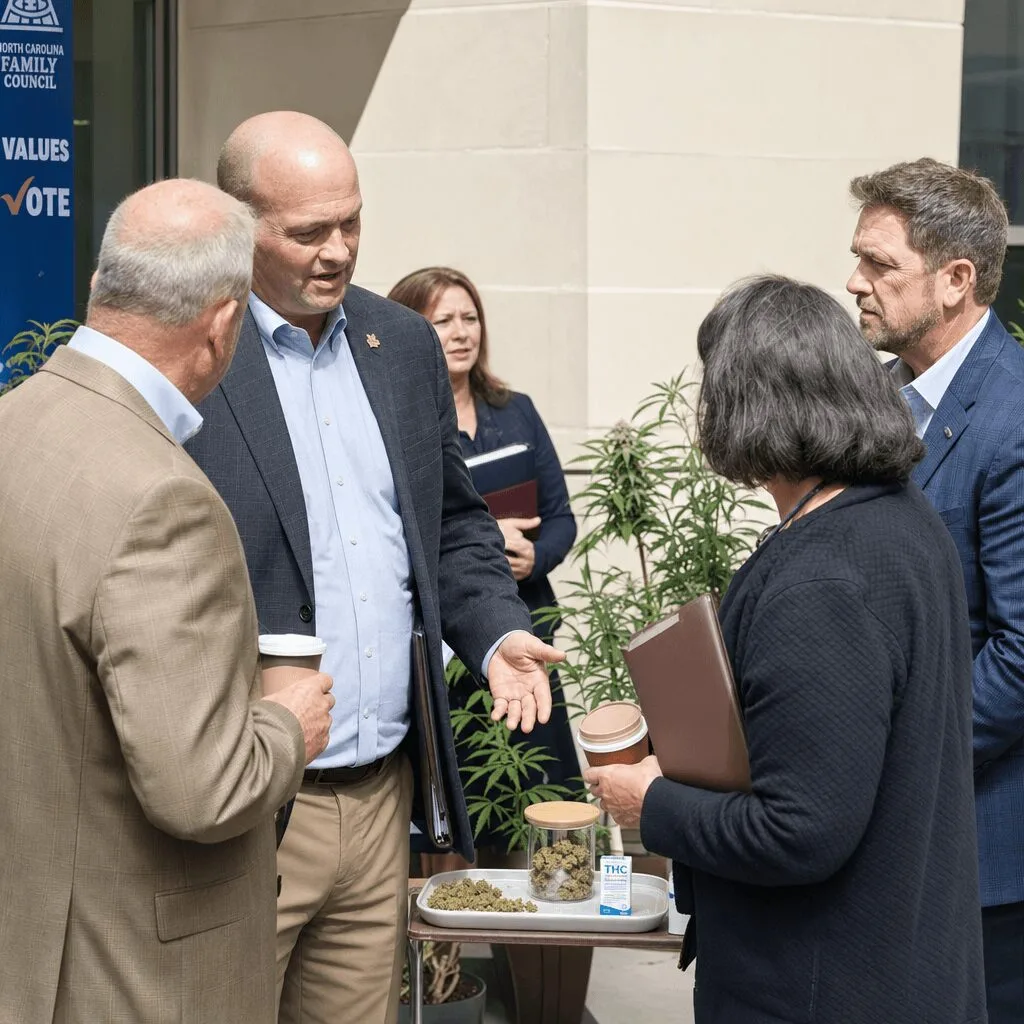
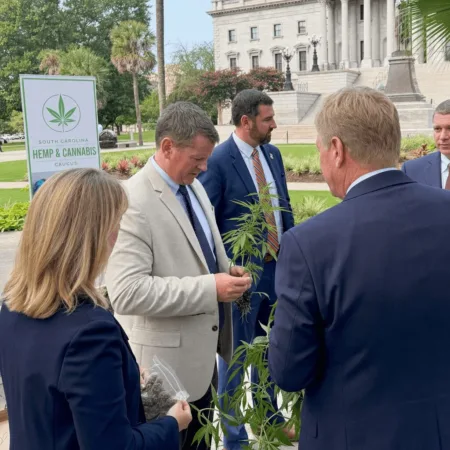
The latest shakeup in the legislative THC testing carve-out saga comes from a coalition of GOP lawmakers and anti-cannabis groups. According to a detailed report from Hemp Gazette, these players are lobbying for explicit exemptions in THC field testing protocols as of 1779579802. Their campaign targets loopholes they claim put both consumers and law enforcement at a disadvantage. Notably, their proposals include:
- Creating clear carve-out language in federal and state law to separate hemp from marijuana, using focused definitions and product categories.
- Selectively exempting certain crop types and post-harvest processing activities from rigorous THC testing, similar to the flexible measures championed by New Jersey lawmakers for hemp-based beverages.
- Establishing more flexible retesting options so crops over the THC limit at harvest aren’t automatically destroyed.
Some are pushing for more funding for field-testing equipment and additional education for local regulators. The debate reached new heights after the passage of the most recent ag appropriations bills, which some say could lay the groundwork for upcoming legislative THC testing carve-outs—creating a parallel to how policy changes at TSA have altered cannabis enforcement in travel settings.
Expert Analysis & Insights
So, why is the legislative THC testing carve-out such a flashpoint? Let’s be real, the current crop of rules makes for a regulatory minefield, especially for small farms and independent brands. As Marijuana Moment recently analyzed, state-level patchwork rules have resulted in uneven enforcement and confusion up and down the supply chain—which many in the industry compare to the drama and market shifts documented during cannabis legalization efforts and evolving design trends in Southampton. Industry voices echo this, and one standout leader, Dr. Ethan Russo, told Project CBD: “Sensibly adjusting THC testing protocols is essential to encourage science-based hemp regulation and reduce unnecessary crop loss.” The fear among advocates is that without a smart legislative THC testing carve-out, the smallest players will get squeezed while oversight agencies scramble for clarity. On the flip side, anti-cannabis factions continue to claim that any carve-out risks abuse or illicit production—proving everyone brings their own anxieties and agenda to the conversation, much like what is seen when major events or incidents spark broad community and regulatory engagement, as in recent outpourings of community support after local farming accidents involving cannabis.
Future Outlook & Conclusion
The good news? However heated, debates over the legislative THC testing carve-out signal greater political engagement with hemp and cannabis science than we’ve ever seen. As the National Organization for the Reform of Marijuana Laws (NORML) reports, ongoing efforts to refine regulations ultimately help keep policies realistic and markets fair. As lawmakers dig deeper and global acceptance keeps trending up, expect the legislative THC testing carve-out to become an anchor issue shaping future cannabis laws. With more voices, data, and sunshine in the room, we’re on track for smarter—and more compassionate—rules ahead. The ride’s far from over, but this is how real progress gets made.
Originally reported by: hempgazette.com
1 Comment
Pingback: CMS CBD policy seniors: Discover What Sets It Apart Now