

Lebanon medical cannabis legalization: Major breakthrough update
The wave of Lebanon medical cannabis legalization is making serious noise right now—and for good reason. After years of uncertainty, Lebanon is finally making world headlines by shifting its cannabis laws. If you’ve been following the industry, you know the region is ripe for both economic and social transformation. From promising new jobs to progressive health solutions, this isn’t just another regional footnote. We’re talking about policy that’s set to reshape Lebanon’s farming sector, public health conversations, and even international trade profiles. In this deep dive, we’ll unpack what’s driving Lebanon’s medical cannabis push, how local farmers are reacting, and why this move resonates globally. Hang tight as we roll through context, the latest updates, sharp analysis, and what the future might spark for Lebanon medical cannabis legalization.
Regulatory Context: Cannabis and Lebanon’s Landscape
To understand Lebanon medical cannabis legalization, you need to look at the broader legal and social terrain. Cannabis has been grown in Lebanon’s Bekaa Valley for decades, despite a strict prohibition stretching back to 1926, a time when French colonial law called the shots. Yet, as detailed by UN Office on Drugs and Crime, illegal cannabis cultivation kept booming, especially through the Lebanese civil war. With the global medical cannabis market ballooning (now projected to top $60 billion by 2030, according to Prohibition Partners), Lebanon’s parliament faced pressure to ditch outmoded policies and ride the legalization wave. The country’s severe debt crisis and agricultural decline made lawmakers look to cannabis legalization as a possible economic lifeline. International agencies, like the World Bank and the IMF, have all underscored the need for Lebanon to boost legal, export-ready industries. For further understanding of how cannabis regulations impact communities, see this exploration of cannabis dispensary distance rules shaping local communities. Legalizing medical cannabis seemed a logical step for Lebanon, blending centuries-old farming tradition with modern global opportunity.
Key Developments Shaping Lebanon Medical Cannabis Legalization
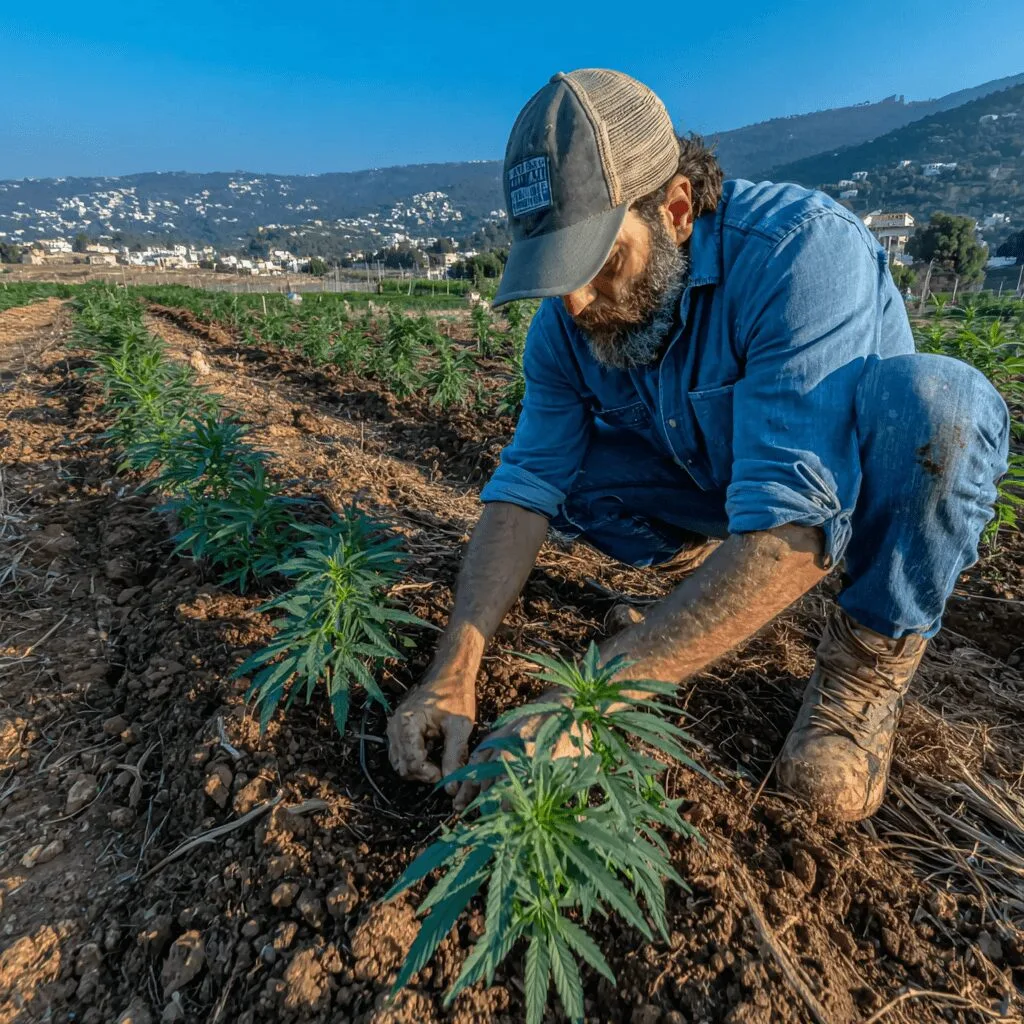
Here’s where the plot thickens. In April 2020, Lebanon’s parliament made headlines by passing historic legislation legalizing medical cannabis cultivation. According to MMJDaily, Lebanon became the first Arab state to green-light medical cannabis at a national level, setting pioneering standards in the Middle East. The law allows the supervised cultivation of cannabis (not for recreational use, so recreational advocates have faced a slow road), assigned to tightly regulated, licensed farmers and processors.
As the news broke, government officials highlighted the need for a tightly controlled framework to prevent illicit misuse. The National Council for Scientific Research (CNRS) is tasked with overseeing the licensing regime. International pharmaceutical partners are now circling, eager to establish extraction and processing facilities on Lebanese soil. This legislation sets up state monopolies, similar to systems in Canada and Germany, and seeks to reroute much of the gray-market cultivation into the formal economy—an approach tracked by Leafly as a proven best practice elsewhere.
The law’s final regulatory statutes are being ironed out in 2024, with the Agriculture and Economy Ministries working to ensure smooth farmer registration, seed sourcing, and export channel formation. This is happening as Lebanon navigates its dire economic situation, with the International Monetary Fund (IMF) referencing the urgent need for diversified revenue streams—a theme echoed by cities like Rockford seeking solutions, as discussed in the Rockford cannabis tax budget analysis. Now, with medical cannabis positioned front and center, Lebanon’s next steps will be closely watched.
Expert Insights and Pro-Cannabis Perspectives
So, what does Lebanon medical cannabis legalization mean in the bigger picture? First, this move signals a seismic shift, not only for local cultivators, but for the broader global market. “If Lebanon leverages its unique terroir, centuries of agricultural skill, and ties to emerging international markets, it could become the Mediterranean leader in high-quality medical cannabis,” argues Dr. Khalil Harb, an agricultural policy analyst quoted by Cannabis Business Times.
The industry welcomes tighter controls, seeing it as a means to undercut black-market operators and restore pride in Lebanon’s farming communities. Globally, this move is lauded as a watershed for Arab states. According to Forbes, Lebanon’s framework could inspire other Mediterranean countries to modernize outdated laws, given the lucrative potential—think new healthcare options, healthier export balance, and advanced job creation.
Yet, there’s no denying the road ahead isn’t smooth. Political instability, bureaucratic delays, and uncertainty over farmer licensing are sticking points. For more on how regulatory delays create uncertainty in the sector, see the discussion around the Rhode Island cannabis board vacancy causing regulatory uncertainty. However, as industry trailblazer Lina Maktabi observes in Benzinga: “Legalization, if rolled out with fairness and scientific rigor, can rescue rural economies and restore Lebanon’s agricultural reputation internationally.”
Future Outlook and Conclusion
All signs suggest that Lebanon medical cannabis legalization is at the crossroads of culture, economics, and public health. The global cannabis industry is blowing up, and Lebanon’s Methuselah-old soil is now in the same sentence as Canadian greenhouses and California collectives. Experts predict the next few years will be critical in steering regulatory growth and fostering public trust. With thoughtful implementation, clear oversight, and transparency, Lebanon stands to reap immense social and economic rewards. According to Prohibition Partners, a legally thriving industry can fund public services, disperse wealth to marginalized communities, and drive progressive social acceptance—shaking off the last vestiges of stigma. Here’s hoping Lebanon’s brave step sparks a movement across the region. This legalization isn’t the end—just the start of something truly transformative.
Originally reported by: mmjdaily.com