


Illinois Outdoor Cannabis Farms: Big Changes Ahead?
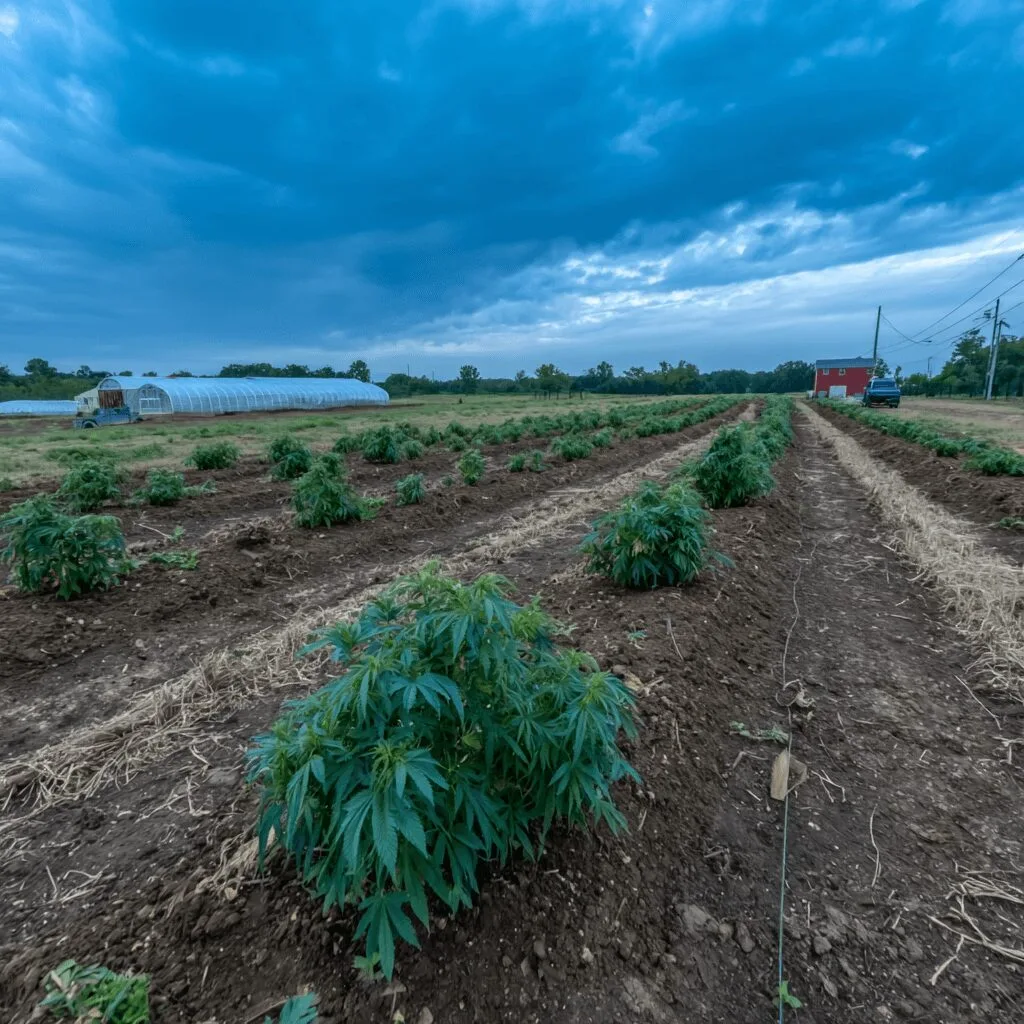
The conversation around Illinois outdoor cannabis farms is heating up as advocates and farmers call for expanded cultivation rights under the open sky. With state leaders re-examining regulations that currently keep legal cannabis growing indoors, the future of farming—and Illinois’s place on the green map—hangs in the balance. From business interests to sustainable agriculture, there’s no shortage of reasons why the fate of Illinois outdoor cannabis farms is center stage right now. Let’s dig in: here’s what’s stirring the soil, what’s changing, and why everyone across the Land of Lincoln is watching closely.
How We Got Here: The Regulatory Fine Print and Social Roots
The current state of Illinois outdoor cannabis farms is a tangled mix of regulations, history, and economic ambition. Since legalization in 2020, Illinois has required all legal cannabis cultivation to stay strictly indoors, largely due to climate challenges and strict state regulatory requirements. Lawmakers cited fears of diversion to the illicit market and worries about odors drifting across neighboring properties. Meanwhile, tightly controlled supply chains have favored large, well-financed multi-state operators who can afford the heavy up-front investment of high-tech grow warehouses. Social justice advocates have also pushed for more equitable access for local farmers and small businesses, hoping outdoor grows could level the playing field, according to NORML. Yet, despite Illinois’s climate not always being friendly to cannabis, many point to other successful outdoor regions—think Northern California and Oregon—and ask why the Prairie State isn’t at least giving the sun a shot. As neighboring Minnesota launches programs to accelerate local cannabis business growth, it’s clear the Midwest’s landscape is evolving. Minnesota’s new accelerator program puts a spotlight on regional opportunity and how Illinois outdoor cannabis farms could benefit if lawmakers shift their approach.
The Real Story: Legal Barriers and Industry Response
The latest push for Illinois outdoor cannabis farms gained momentum after recent legislative sessions saw growers urging lawmakers to reconsider strict indoor-only rules. According to Crain’s Chicago Business, companies such as PharmaCann and Cresco Labs are quietly lobbying for pilot programs that would allow limited outdoor cultivation under careful regulation. Illinois law currently prohibits commercial outdoor grows, citing the Cannabis Regulation and Tax Act (2019); indoor security requirements are a major sticking point. Industry sources confirmed that while applications for new licenses surged in 2023 and 2024, none included outdoor farm spaces—a sign of just how entrenched the barrier remains. Insiders note that energy costs, sustainability goals, and regional competition are all nudging lawmakers to study the economics of outdoor options. Recent state agricultural reports, as cited by Leafly, highlight how Illinois farmers already lead in soy and corn, but have yet to capitalize on the unique opportunity cannabis might offer in open fields. Loosening restrictions presents both a major risk and reward scenario, with environmental impact studies and law enforcement concerns fueling an ongoing debate in Springfield. In addition, conversations about outdoor cannabis cultivation often intersect with public safety concerns—especially when considering incidents involving cannabis edibles and children—emphasizing the need for comprehensive safety planning. Recent community shocks over child cannabis edible incidents reinforce this continual debate on responsible regulation.
Expert Analysis: What’s at Stake for Illinois Outdoor Cannabis Farms?
Legalizing outdoor cannabis cultivation in Illinois would mark a bold departure from early policies meant to keep the crop under lock and key. Industry experts and seasoned advocates argue that it’s high time for a change. As MJBizDaily notes, “No other major agricultural product in the state is stuck inside walls, cannabis deserves its day in the sun.” Energy use for indoor grows remains a hot topic, with studies showing that outdoor cultivation could cut costs and shrink carbon footprints—a win-win for both business and the environment.
Lisa Adams, an Illinois industry consultant, summed up the feeling best: “Limiting us to indoor facilities was understandable in the early days, but with robust traceability available now, there’s no reason we can’t use farmland the state is famous for.” (Source: Hemp Industry Daily.) Detractors point to security and odor, but the vast majority of states with outdoor programs have found practical solutions—from fencing to advanced surveillance tech. The deeper truth? This debate is about whether Illinois cannabis farmers can finally tap into the state’s most valuable resource: its legendary soil, which could rival the best practices and discoveries shaping the cannabis industry. Recent scientific highlights reveal how evolving technology and research can benefit Illinois outdoor cannabis farms moving forward.
The Road Ahead: Hopeful Horizons for Illinois Outdoor Cannabis Farms
There’s real momentum building behind reforming regulations governing Illinois outdoor cannabis farms, and the tone is far from defeatist. As more industry voices and family farmers join forces, the chances for a patch of green in the heartland are stronger than ever. Ongoing studies commissioned by Illinois regulators and sustainability advocates (Marijuana Moment) show genuine engagement with solutions, not just problems. Most importantly, public opinion continues shifting toward normalization and smarter, science-driven policy.
So, while the debate is certain to rage for a while longer, the wind is changing. Stakeholders—big and small—are pushing for an Illinois cannabis industry that’s not just profitable, but sustainable and fair. If the sun finally shines on Illinois outdoor cannabis farms, the future might look greener than anyone imagined.
Originally reported by: chicagobusiness.com

1 Comment
Pingback: Illinois outdoor cannabis farming: Will new rules spark a green boom?