


Hemp Product Ban Risk: See How It Threatens Local Businesses
The hemp product ban risk is lighting up headlines across Kansas City right now—and for good reason. After years of steady growth, local retailers suddenly face a regulatory bombshell threatening jobs, innovation, and the community’s access to popular hemp-derived goods. This issue isn’t just about policy on paper; it’s about real people, small businesses, and a market that’s blossomed since hemp reform. Let’s break down what you really need to know about the hemp product ban risk, what’s driving the controversy, whose livelihoods are at stake, and realistic ways forward for the cannabis industry.
Understanding Hemp Product Ban Risk: Background & Context
The hemp product ban risk heating up in Kansas City is rooted in shifting state and federal laws. Since the 2018 Farm Bill legalized hemp, the market for CBD oils, edibles, and related products has exploded nationwide. Hemp, defined as cannabis containing less than 0.3% THC, became mainstream as consumers sought plant-based options for relaxation, sleep, and wellness without the high of marijuana. Yet, lawmakers in several states have scrambled to clarify which hemp-derived products are legal, fearing intoxicating loopholes via synthetic cannabinoids and unregulated edibles. In Missouri and Kansas, this tug-of-war has meant shifting advice from health departments, law enforcement, and city councils. Local stores that staked their future on hemp are now navigating complex, sometimes contradictory regulations. While businesses try to adapt, they must also cope with confusion about the new laws impacting the hemp industry. Complicating matters, the U.S. Food and Drug Administration (FDA) maintains a cautious stance toward CBD, warning companies about unproven health claims while urging more research and coherent national standards. Meanwhile, millions of Americans now view hemp products as essential wellness goods, not fringe substances, a cultural shift that’s only intensified the regulatory debate unfolding in Kansas City.
Key Developments: Kansas City’s Hemp Ban Showdown
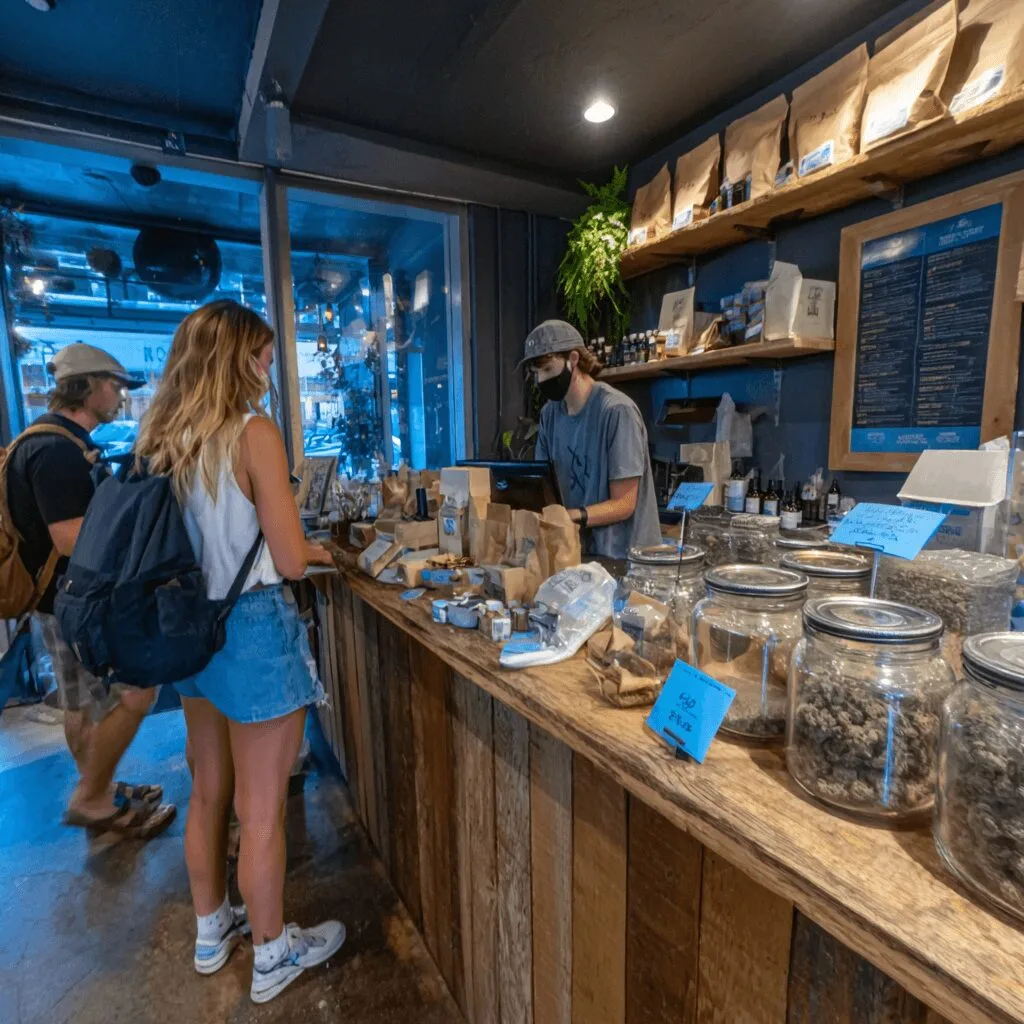
Here’s what’s making waves: According to a detailed KMBC 9 News report, Kansas City lawmakers recently proposed a sweeping ban on retail sales of all hemp-derived consumables, such as CBD gummies, Delta-8 treats, and infused beverages. The ban aims to stop the sale of hemp products, both intoxicating and non-intoxicating, potentially shuttering dozens of businesses just as school’s out and summer’s heating up. Shop owners like Brandon Baker of KC Hemp Co. say the city’s proposal would wipe out entire shelves of legal goods. The debate intensified after City Councilwoman Andrea Bough cited escalating reports from law enforcement and school officials about minors accessing questionable hemp products. This situation reflects the uncertainty that cannabis farmers face when trying to adapt to regulatory shifts, putting their businesses at risk—see how these regulatory changes impact the broader industry in Facing the Storm: Hemp Regulation Uncertainty and the Future of Cannabis Farmers. The proposed ban, still under review as of June 2024, threatens to close the sales window for many retailers who depend on these items for 60% or more of their store revenue, especially as the city mulls whether to treat hemp goods the same as high-THC cannabis. Regulators argue that, without tighter guardrails, the growing market for semi-legal cannabinoids could create loopholes for underage sales and public health risks. If passed, the ban could take effect immediately, with little time for local entrepreneurs to adapt or sell off current inventory, moving the hemp product ban risk from abstract threat to overnight crisis for Kansas City’s small business sector.
Expert Analysis & A Pro-Cannabis Perspective
Here’s the truth, the hemp product ban risk signals a crossroads moment for cannabis reform in Middle America. Industry insiders warn that blanket bans will push products underground instead of protecting consumers. Justin Strekal, political director at NORML, argues that bans “don’t solve the demand for these products”; they just encourage gray market sales without lab testing. “Instead of sweeping crackdowns, smart policy can ensure buying safe, labeled, and tested hemp products remains easy for responsible adults,” Strekal notes. National cannabis publications like Marijuana Moment confirm that bans have often failed to curb youth access, since black market sellers don’t check IDs or follow packaging rules. When considering public health and cannabis shop safety, it’s crucial to understand the facts—learn more at What’s the Real Cannabis Shop Health Risk? Separating Fact from Hype. Meanwhile, a 2023 Brightfield Group report shows that millions of adults use hemp products for stress, pain, and insomnia, needs the regulated market is best equipped to meet safely. Local retailers, for their part, already comply with state age limits and rigorous lab testing, so painting them all with the same brush ignores hard-won progress on consumer safety. The broader trend? States like Illinois, Colorado, and Oregon have shown that sensible regulations, such as licenses, clear labeling, and potency caps, can keep both products and people safe while supporting Main Street businesses.
Looking Forward: Opportunity Beyond Hemp Product Ban Risk
Let’s keep it real: The hemp product ban risk is a setback, but it’s far from the end for responsible cannabis in Kansas City. Regulators and businesses now face a chance to set a national example—balancing genuine safety with economic innovation. As The Pew Charitable Trusts recently reported, many states are forging better solutions through smart, risk-based regulation instead of broad bans. The community pushback in Kansas City proves hemp is mainstream now, with everyday customers supporting their favorite shops and demanding fair rules. As the national conversation around cannabis matures, so will local policies—ushering in a new era of transparency, public health, and economic vitality. Whether you’re a weekend CBD user, a hopeful entrepreneur, or just a fan of local business, there’s every reason to believe the future is still bright for cannabis culture, and that the current hemp product ban risk will lead to better solutions, not just more red tape.
Originally reported by: kmbc.com

1 Comment
Pingback: MJBowl cannabis finalists: 2025's Top Contenders Revealed!