




Derby police marijuana arrest: shocking bust revealed
The cannabis world isn’t short on drama, but the recent Derby police marijuana arrest brings a whole new level of attention. If you follow legalization trends or advocate for smart reform, you know these stories matter—they show how cannabis policies play out in real life. This time, a Derby bust put pot, law enforcement, and community reactions on a collision course. Let’s dig into why this Derby police marijuana arrest matters for both the industry and everyday people.
The Legal Landscape: Cannabis, Law Enforcement, and Community Conflicts
Connecticut’s evolving legal framework reflects national shifts. Recreational marijuana is now legal for adults, but criminal penalties still linger for unlicensed distribution, high volumes, or firearm involvement. According to the State of Connecticut Cannabis Portal, regulations strictly prohibit possession with intent to sell without a license, and the combination of cannabis with illegal weaponry can elevate charges dramatically. Law enforcement adaptation is ongoing. Initiatives aim to train police on distinguishing legal from illegal cannabis activity. Yet, incidents like the Derby police marijuana arrest reveal the growing pains and community tensions sparked by inconsistent application and legacy-policing habits. As legalization and enforcement evolve nationwide, states such as Maine and Massachusetts are closely watching changing cannabis enforcement trends across various communities, reflecting the heightened attention seen in recent debates on cannabis re-criminalization initiatives. The cannabis market, meanwhile, surges forward, demand remains high, and regulatory crackdowns highlight gaps between policy and local enforcement practice. Social perspectives are evolving fast, but old stigmas and a patchwork of municipal approaches still fuel high-profile incidents and intense debates within the cannabis sector, especially when enforcement decisions seem out of step with Connecticut’s new legal ethos.
Breaking Down the Derby Police Marijuana Arrest: What Really Happened?
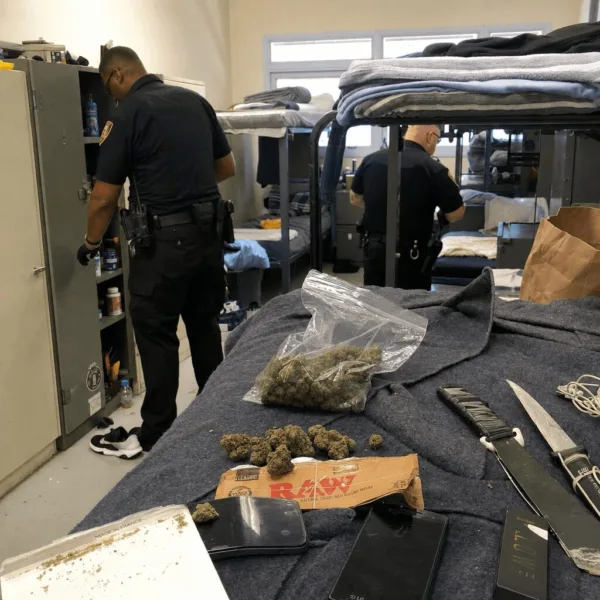
Let’s talk facts. On June 12, Derby Police arrested Brent Washington during a routine vehicle stop. Officers reported finding a substantial clear bag containing cannabis and a high-capacity magazine in the car. The event, covered by CTPost, started as a traffic stop before escalating when police spotted the marijuana and firearm accessory on the passenger seat.
Washington, according to police reports, did not possess state licensing for cannabis sales or authorized possession of the firearm magazine. Law enforcement charged him with illegal possession and intent to distribute, along with weapons violations under Connecticut statutes. These laws are rigorous, large-quantity or armed possession frequently result in felony charges. For context, state guidelines, per the Connecticut Department of Consumer Protection, limit how much cannabis adults can legally carry, and the presence of illegal firearm equipment can complicate matters even in states with relatively open cannabis laws.
Community reaction in Derby has been strong. Some locals see the incident as an overreach, while others express concerns about public safety and adherence to new regulations. These events have also sparked public discussions similar to those in places where underground marijuana markets reveal the complexity of enforcement, such as insights on illegal operations in Southern California. The Derby police marijuana arrest has reignited long-running debates about fairness, policing priorities, and how Connecticut is navigating the tension between criminal justice reform and cannabis commerce.
High Stakes: Industry Analysis and Lessons from the Derby Police Marijuana Arrest
As someone neck-deep in the green rush, I see incidents like the Derby police marijuana arrest as a must-watch case study for industry players, reform advocates, and policymakers.
This isn’t just about one bust, it’s the embodiment of how law, markets, and mindsets collide as cannabis normalization evolves. The presence of a high-capacity magazine with cannabis complicates an otherwise straightforward enforcement scenario, clashing, perhaps, with the legislative spirit of Connecticut’s legalization push.
Sarah Stenuf, founder of veteran-led cannabis nonprofit Veterans Ananda Inc., sums it up, “Until enforcement learns to match the regulations, these incidents will happen. We need more informed policing, not fear-driven crackdowns, if we want to see legal markets thrive.” (Quoted from Cannabis Business Times).
In addition to enforcement practices, the way cannabis impacts public health factors into ongoing debates—efforts to promote harm reduction and address lung health concerns are influencing both policy and consumer perspectives, as detailed in this overview on harm reduction and the actual impact of cannabis on lung health. From my vantage, industry education and policing reform must work hand-in-hand. The Derby police marijuana arrest proves that regulatory progress alone doesn’t guarantee fair outcomes, since humans on the frontlines interpret intent, purpose, and social context. How officers handle discovery, communicate with suspects, and set community expectations directly shapes public trust in both cannabis laws and law enforcement itself. Forward-thinking advocates argue for a harm-reduction lens, prioritize education, keep the peace, and recognize that the presence of cannabis shouldn’t automatically trigger criminal suspicion, especially when underlying laws now support safe, regulated use.
Looking Forward: Progress, Perspective, and a Smarter Path for Cannabis in Connecticut
Despite the headlines, the future remains bright. The Derby police marijuana arrest should serve as a wake-up call—not a deterrent. Legalization momentum continues to build nationwide. Reports from the Marijuana Policy Project and regulatory agencies show demand isn’t slowing down. Instead, incidents like this reinforce why education, clearer rules, and ongoing policy evolution are so essential.
For consumers, entrepreneurs, and advocates, this means staying engaged and informed. Push for training—on both sides of the badge. Demand smart, measured enforcement. Expect continued social acceptance, better public safety strategies, and less friction as communities adapt. The Derby police marijuana arrest is one chapter in a much longer story—a road that’s still bumpy, sure, but moving toward greater justice, opportunity, and understanding for everyone in the cannabis world.
Originally reported by: ctpost.com

1 Comment
Pingback: Marijuana Rescheduling Process: White House Insiders Reveal All