


Decatur drug trafficking arrest: Shocking marijuana, edibles bust
The Decatur drug trafficking arrest that just made headlines isn’t your average anti-weed sting. It’s got everything: edibles with packaging that wouldn’t look out of place at a California dispensary, bags of top-shelf flower, and—of course—a living room drama in small-town Alabama. What makes this Decatur drug trafficking arrest so relevant? With cannabis legalization surging across the U.S., every Southern bust highlights key debates around law, culture, and policy. Here, we break down the news, the bigger picture, and what it means for Decatur’s future (and the South itself).
The Legal Climate: Southern Roots, Shifting Policies, and Cannabis Contradictions
When you hear “Decatur drug trafficking arrest,” the backdrop matters. Alabama, like most of the Deep South, keeps cannabis laws tight, even as other states loosen up. According to the National Organization for the Reform of Marijuana Laws (NORML), Alabama still hits folks with heavy penalties for possession, let alone trafficking. Socially, the state has been slower to embrace the normalization tide, though hemp-derived products and CBD have started to chip away at perceptions. Recent regulatory shifts and safety recalls, such as those reported in consumer warning updates, have highlighted safety and testing gaps across different cannabis markets. Big national polls, including Pew Research, show a majority of Americans back cannabis reform, but old stigmas stick tight in places like Decatur. Local law enforcement feels pressure to deliver results in drug cases, often tying policy debates to community safety and, sometimes, economic anxieties. Meanwhile, cannabis businesses report record demand even in restrictive markets, as seen in recent industry reports. The Decatur drug trafficking arrest lands squarely in the middle of these cultural crosswinds, setting the stage for heated debates about justice and progress.
Breaking Down the Decatur Drug Trafficking Arrest: Facts, Details, and Fallout
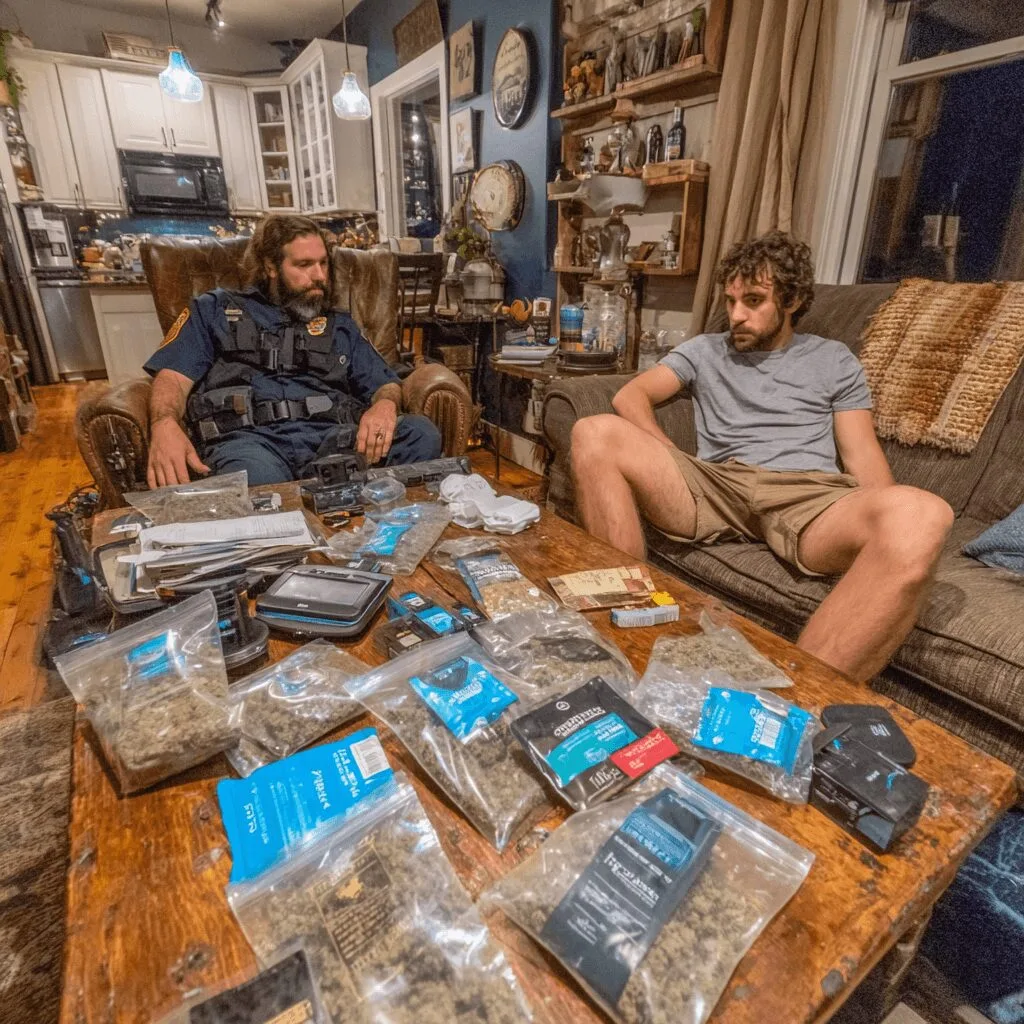
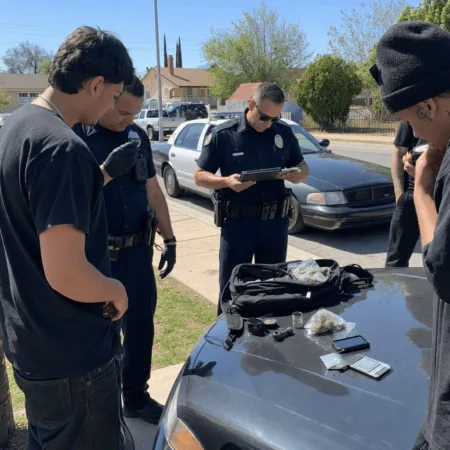
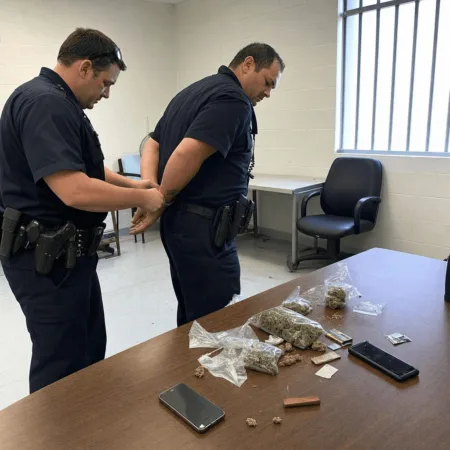
The Decatur drug trafficking arrest happened on October 28, 2025, when local police executed a search warrant at a residential home in a modest Decatur neighborhood. Officers discovered clear bags of marijuana buds, packages of THC-infused edibles, and basic weighing instruments—items often found in both legal and legacy cannabis operations. The man arrested was reportedly calm, and the scene reflected a lived-in real-life environment rather than anything cinematic, a detail noted by local news sources. According to detailed statements released by Decatur PD, charges include possession with intent to distribute, drug trafficking, and maintaining a dwelling for unlawful activity. While Alabama doesn’t offer adult-use sales or legal possession of cannabis, multiple states bordering the South have moved forward with reform, creating a patchwork of legal risks for anyone in the gray market. For example, the ongoing debates in neighboring jurisdictions highlight inconsistent enforcement and health warnings, especially surrounding the presence of edible products during Halloween, as seen in seasonal parent advisories. Police emphasized the quantity of both marijuana flower and tasty-looking edible products, fueling a media narrative that still frames cannabis as dangerous contraband. The arrest quickly became a talking point among both law enforcement officials and grassroots cannabis advocates, underlining the region’s ongoing legal tug-of-war.
Cannabis Experts Weigh In: Market Gaps, Reform Realities, and Southern Cannabis Culture
So, what does the Decatur drug trafficking arrest really mean for the cannabis ecosystem and for local communities? Industry leaders and reform advocates say it’s about much more than one man’s living room. According to Leafly, “Until we see sensible, accessible legal frameworks in states like Alabama, people will keep getting caught up in these criminal charges, no matter how mainstream cannabis becomes elsewhere.” Dr. Regina Walton, a well-respected cannabis educator, points out, “Black market activity doesn’t mean demand is bad; it means there’s nowhere safe and legal for people to turn,” she shared with MJBiz Daily. The data backs this up: illicit sales thrive in states with the toughest regulations. In Decatur, arrests like this often feel inevitable, but experts say expanding legal access could actually reduce crime, build local economies, and rebuild trust between residents and police. Newer retail initiatives are shaping the way customers interact with dispensaries, such as advancements in virtual cannabis retail highlighted at industry events. The bust also spotlights the knowledge gap many community members face on the differences between legal and unregulated THC products.
Decatur’s Next Chapter: Growing Acceptance and Hope for Cannabis Reform
The Decatur drug trafficking arrest has sparked plenty of conversation, but it may also plant seeds for overdue change. As more states adopt fairer cannabis laws, Southern pressure is growing for Alabama to modernize its approach. Legalization has brought measurable benefits to many places, including declines in opioid overdoses and new economic opportunities—see Brookings Institution analysis for more. For Decatur, that means community voices—advocates, patients, and small-business dreamers—need to keep the conversation alive. One arrest doesn’t define the future. The most progressive step now isn’t punishment, it’s a new path to legal access, education, and social healing. The cannabis wave is only getting stronger. Decatur and cities like it may soon find themselves surfing instead of resisting it.
Originally reported by: waff.com
1 Comment
Pingback: New Jersey cannabis policy: How the Governor’s Race Could Change Everything