



Corrections Officer Drug Smuggling Scandal Shocks Kentucky
Okay, cannabis community—here’s a story that hits close to home and echoes far beyond Kentucky. The focus keyword “corrections officer drug smuggling” isn’t just headline fodder; it sheds light on the deep issues in how our country regulates cannabis and maintains prison safety. With prisons nationwide facing contraband challenges, and cannabis reforms in the spotlight for 2024, what happened in Kentucky signals a need for real, industry-informed dialogue. So, let’s break down the events, the root causes, and why this scandal matters to anyone tracking cannabis law, policy, and public safety.
Systemic Pressures: Cannabis Policy, Prohibition, and Correctional Contraband
Prison contraband challenges aren’t new, they’ve been brewing for decades. The longstanding federal prohibition on cannabis creates a black market, leaving correctional officers, inmates, and the system itself susceptible to creative smuggling schemes. According to a 2023 report by the Prison Policy Initiative, overcrowding and understaffing in American corrections further amplify risks. At the same time, a growing state-level push for decriminalization, and a patchwork of laws regarding cannabis possession, have shifted public attitudes, but prisons often lag behind even basic reforms. Marijuana Policy Project continues to point out the gaps between public policy and carceral practice, emphasizing that inconsistencies only make contraband temptations more likely. These national trends have real-world consequences, such as those seen during the Melbourne CBD protests that sparked intense cannabis debate and scrutiny of enforcement responses. So, when the corrections officer drug smuggling story from Kentucky broke, it became a case study of flawed systems rather than an isolated event.
Inside the Kentucky Scandal: Corrections Officer Caught Smuggling Drug-Laced Papers
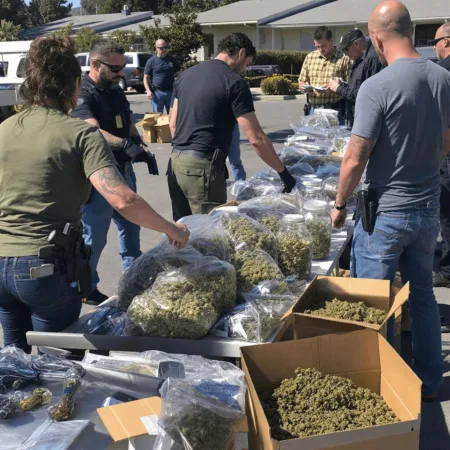
Here’s how it went down. In early 2024, according to Corrections1, a Kentucky corrections officer pled guilty to participating in a drug smuggling operation inside the state’s penal system. The specifics? Smuggling drug-laced papers and rolling tobacco into the facility, with cannabis reportedly among the substances involved. The kicker is the payday, nearly $18,000 exchanged hands in the process. Legal filings by Kentucky state prosecutors highlight that this wasn’t a spur-of-the-moment gamble, but a well-organized operation. The officer’s actions came to light following an internal investigation, leading to charges under strict anti-contraband laws. The case perfectly exemplifies the core challenge with corrections officer drug smuggling: It’s lucrative, risky, and fueled by a mix of market demand and regulatory gaps. Events like this aren’t confined to Kentucky, the NBC News coverage on corrections corruption backs this up, pointing to national trends in smuggling cases. Increasing demand and legislative gaps are also reflected in recreational cannabis supply shortages at cannabis dispensaries across the country, underscoring a system under strain.
Why the Kentucky Case Matters: Expert Analysis & Industry Perspective
So here’s the real tea. This corrections officer drug smuggling incident is bigger than one officer or one state, it’s symptomatic of outdated drug laws and correctional policies. Industry experts agree. As High Times noted, “When cannabis remains prohibited behind bars, but widely available and accepted outside, you create a parallel market that inevitably invites risk—and corruption.” That quote hits hard, because the disconnect between shifting social norms and outdated prison policy leaves officers underpaid and inmates resourceful. From my years dissecting cannabis policy, I can tell you: If you create an artificial scarcity (especially in stressful locked-down environments), supply and demand do their thing, legal or not. Corrections officer drug smuggling stories like this one put a magnifying glass on those pressures. Ultimately, what we’re seeing is an ecosystem in need of true reform, smarter oversight, and open-minded policy upgrades. Legit industry voices, including the Law Enforcement Action Partnership, stress education and thoughtful legal changes as real, boots-on-the-ground solutions. Many parallels can be observed through stories like the Cebu City marijuana bust, highlighting the persistent dynamics of contraband and enforcement within different legal frameworks around the world.
Better Days Ahead: Cannabis Reform and Smarter Corrections
So let’s get real. While corrections officer drug smuggling headlines grab attention, the deeper lesson is about policy evolution and public safety. The cannabis industry is growing up—both in legitimacy and in legal protections for workers and consumers. As more states embrace regulation and normalization, organizations like NORML report declining stigma and smarter oversight. Will this instantly end all prison contraband? Nah, but every step toward reform helps shrink the black market and shifts incentives for vulnerable workers. The future? Think less scandal, more transparency, and a justice system that actually keeps up with real-world cannabis progress. Stay tuned, stay informed, and remember—positive change comes from collective advocacy, open minds, and truthful conversation.
Originally reported by: corrections1.com