

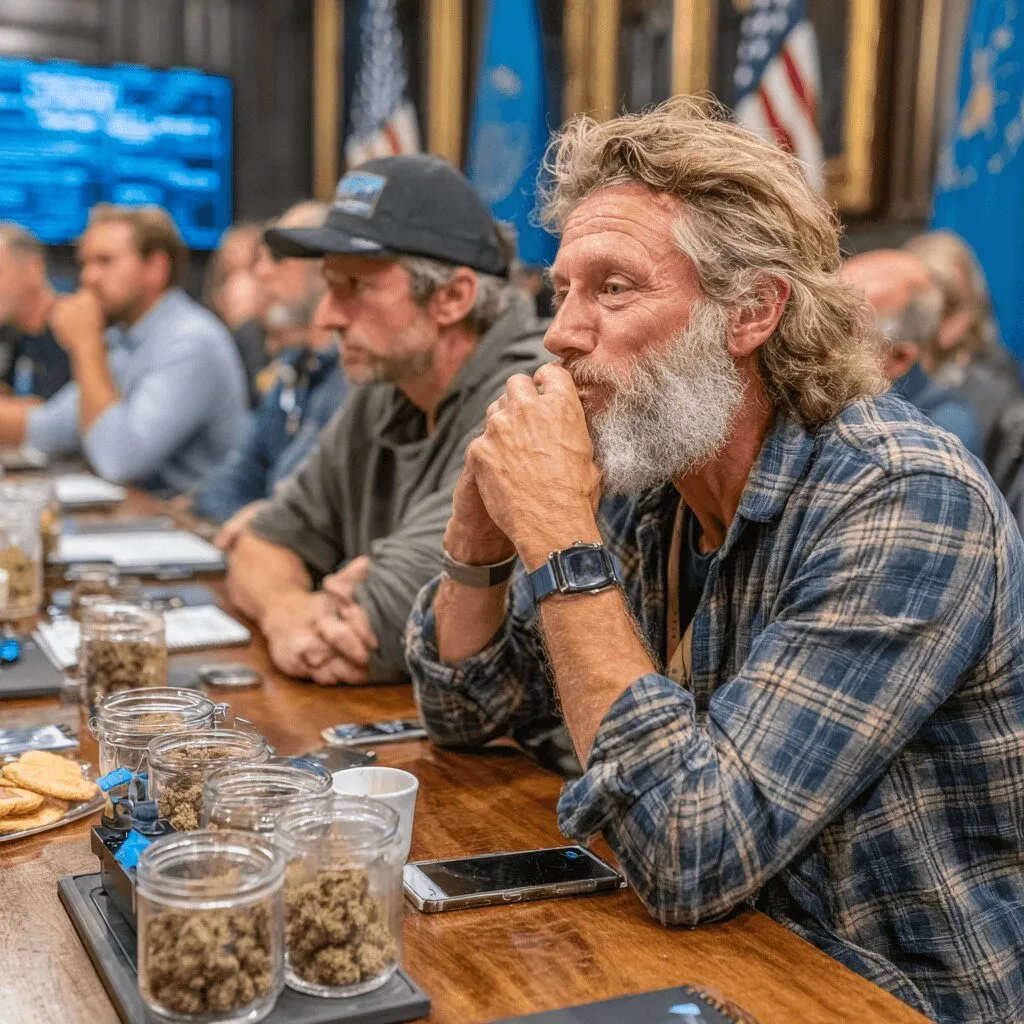
Congressional Action on THC Safety: What Lawmakers Must Do Now
Let’s keep it real—the cannabis scene isn’t slowing down. Nationwide, demand for THC products keeps booming while lawmakers scramble to keep up. Congressional action on THC safety is suddenly front-page news, and not just in industry circles. With products evolving and the market exploding, we’re all left asking: What will it take to keep THC users safe, support innovation, and stop shady operators from slipping through the cracks? Today, we break down exactly why Congress needs to step up, the latest legal heat, and how smart regulations can safeguard everyone’s interests without harshing anyone’s vibe.
Background: The Urgent Call for Congressional Action on THC Safety
It’s 2025 and you’d think we’d have the THC rules on lock. But the regulatory landscape for cannabis, especially THC products, is patchy at best. Each state makes its own rules on things like potency, labeling, and who can even sell the stuff. According to NORML’s legal analyses, there’s still no comprehensive federal oversight on synthetic or novel cannabinoids, and this wild west approach opens doors for risky products to hit the market. Social acceptance of cannabis is at an all-time high, but that doesn’t mean lawmakers are all on the same page. Federal guidance remains mostly hands-off, while states play whack-a-mole with risks from high-potency concentrates, delta-8, and unregulated edibles. As Leafly’s policy experts point out, the hodgepodge of rules leaves both consumers and legit companies exposed. In places like Minnesota, recent decisions such as the approval of recreational cannabis in Aitkin highlight state-level changes that further complicate the patchwork approach. Calls for congressional action on THC safety are now coming from advocates, regulators, and medical professionals shaken by stories of tainted or mislabeled products causing real harm. The demand for a unified regulatory standard is louder than ever, while action always seems just over the horizon.
Key Developments & Issues: The Push for Safer THC Products
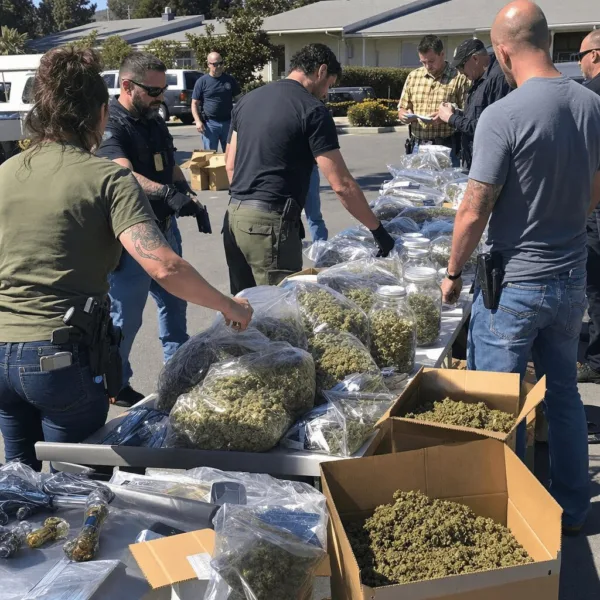
Let’s talk recent news and why there’s such heated talk around congressional action on THC safety. On October 29, 2025, Georgia’s Attorney General, Chris Carr, made headlines by demanding Congress close dangerous loopholes in THC product sales (Georgia Office of the Attorney General). The main worry, synthetic cannabinoids and highly potent THC-infused edibles being sold near schools, sometimes without proper age verification or lab testing. Legal filings and reports cited clusters of hospitalizations linked to unregulated vapes, counterfeit gummies, and products far exceeding labeled THC content. Carr specifically pointed to the gaps between federal law (still clinging to an outdated understanding of cannabis) and evolving state statutes, making enforcement a nightmare. Major national and regional retailers, scared of liability, are pulling controversial THC derivatives off their shelves pending further guidance. These developments, according to Marijuana Business Daily, reflect a fast-moving regulatory patchwork where both public health officials and licensed cannabis businesses are pleading for clear, federally-backed rules. A real-world example of shifting business pressures appeared in the Midwest recently when Clawson’s caregiver cannabis facility earned community approval, demonstrating how local developments are influencing the broader national debate over congressional action on THC safety.
Expert Analysis & Insights: What’s at Stake for Consumers and Industry
This isn’t just politicians grandstanding. Real people are risking real harm while legit businesses take the heat for shady, unregulated products. If Congress doesn’t create national standards for testing and labeling, consumers, especially young adults, could keep facing health scares from tainted products or mystery cannabinoids with zero research behind them. As Cannabis Business Times reports, state licensed operators are losing trust in the marketplace, demanding Congress move quickly. Ashley Craddock, a compliance expert interviewed by the Cannabis Business Times, summed it up well: “Without clear guardrails, both patients and recreational users are at risk, and good operators pay the price for bad actors. It’s time for federal leadership on THC product safety.” In Canada, evolving cannabis policy and its community impacts offer insights for American reform, as shown by recent shifts in Ottawa’s approach to cannabis policy. At the same time, we know that overregulation could push consumers back to the illicit market, so the trick is finding a Goldilocks zone, protecting users without shutting down innovation or safe access. Industry trend-watchers point to states like Colorado and California, where mandatory third-party testing and universal QR codes on packaging have set a national benchmark, even if Congress hasn’t caught up yet. These models offer a solid starting point for the kind of congressional action on THC safety everyone keeps demanding.
Future Outlook: A Safer, Smarter Cannabis Industry Looms
So what’s next? With headlines full of urgent calls for congressional action on THC safety, the future of cannabis regulation is clearly at a tipping point. Industry insiders expect that federal lawmakers will, sooner rather than later, take a cue from states leading the way and introduce comprehensive THC product standards. The smart money, according to Benzinga’s market updates, is on a framework that blends product safety controls with space for innovation—and the culture that’s built this industry in the first place. As the public gets savvier and social stigma fades, demand for both safe access and smart regulation will only grow. Here’s to a future where congressional action on THC safety isn’t just a headline, but a victory for everyone in the cannabis community.
Originally reported by: law.georgia.gov