


Coast Guard marijuana seizure uncovers $2.8M haul in Caribbean
The coast is anything but clear for black market cannabis thanks to a headline-grabbing Coast Guard marijuana seizure right in the heart of the Caribbean. In 2024, as the legal cannabis sector flourishes across North America, high-stakes interdictions like this underline a strange tension: Demand is as hot as ever, but the legal versus illicit market battle rages on. This article dives into why the Coast Guard marijuana seizure matters, how such busts fit into today’s market, and what it means for cannabis culture, policy, and the future of the green economy.
Setting the Scene: Legal, Regulatory, and Market Realities Behind Major Cannabis Seizures
The Coast Guard marijuana seizure isn’t happening in a vacuum, it is a direct product of competing global market forces and choppy legal waters. Even as over half of U.S. states have legalized recreational use (see Pew Research Center), the Caribbean continues to be a major corridor for illicit shipments headed north. On the regulatory front, the federal-state disconnect in America means large cannabis hauls still trigger severe penalties, with agencies like the U.S. Coast Guard patrolling for smugglers attempting to ride this growing tide of demand. Market analysts at Prohibition Partners note that international trafficking routes have become more sophisticated as legal access at home expands, keeping enforcement teams on constant alert. Recent crackdowns and enforcement strategies across different regions highlight how public safety and border laws, especially concerning unregulated supply chains, are still fiercely debated topics in 1785236869.
The 1785236869 Caribbean Coast Guard Marijuana Seizure: Facts, Players, and Fallout
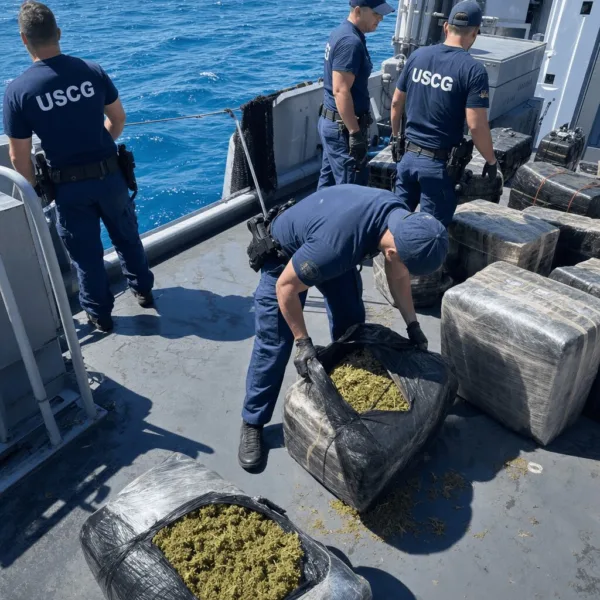
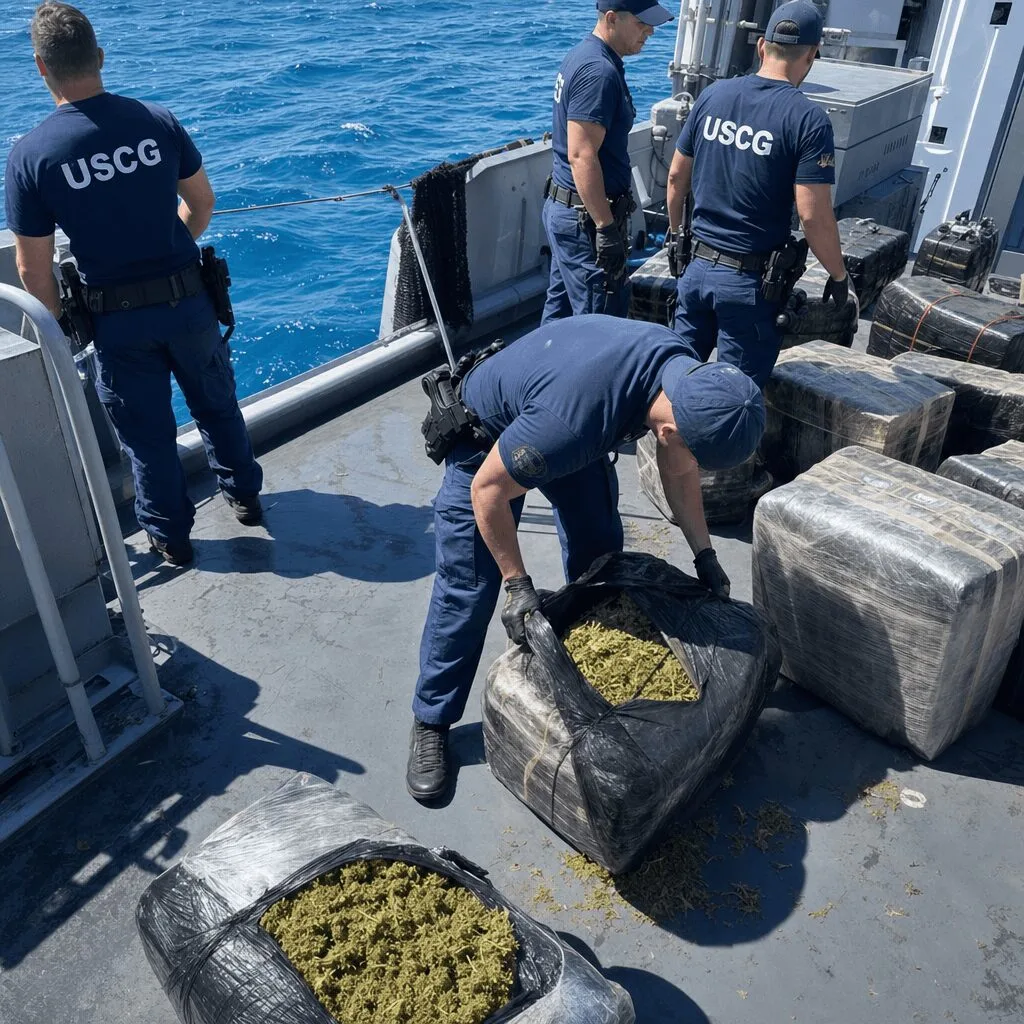
Earlier this year, the U.S. Coast Guard made headlines after intercepting a vessel off the Caribbean coast, netting over $2.8 million worth of marijuana. This significant Coast Guard marijuana seizure was executed with operational support from Homeland Security Investigations. The haul included dozens of tightly plastic-wrapped bales, each stuffed with fresh green cannabis, destined for the U.S. market, a route that remains a hotspot for interdictions. According to the official U.S. Coast Guard press release, the combined agency effort stopped traffickers dead in their wake, detaining crew members under international maritime law for questioning and potential prosecution. With enforcement incidents in urban settings—like those discussed in urban community reactions to enforcement events—the fragmented and shadowy nature of illicit operations remains clear. The event marks one of the largest seizures of its kind so far in 1785236869 and highlights the ongoing tug-of-war between evolving legal frameworks and persistent black market supply lines. Notably, the shipment was believed to be bound for southeastern U.S. ports, a region with rising legal sales, but where illegal imports continue to surface according to Leafly Industry reports.
Expert Take: Balancing Security, Market Growth, and the Oddities of Prohibition
With every Coast Guard marijuana seizure, industry pros are reminded of a broader reality: Regulatory patchworks create strange incentives that can fuel rather than starve illicit trade. As MJBizDaily editor Lisa Smith observes, “Seizures like these, while critical for border security, also spotlight the urgent need for harmonized, sensible cannabis laws that close black market gaps.” The financial shockwave of a $2.8 million seizure is real, but to many experts, it’s also a nudge toward modernizing federal and international regulation. Legalization advocates highlight the irony that while the Coast Guard marijuana seizure is intended to curb crime, fragmented policy often keeps the underground market alive. Ongoing marijuana arrests in local regions, such as those noted in recent local enforcement news, reveal how black market supply chains remain nimble—mirroring evolving consumer demand. Social acceptance is high, as seen in recent Gallup polls, but expert consensus warns that without federal reform, demand will continue to feed both legal and illicit pipelines.
Looking Ahead: Charting a Course for Cannabis Policy and Market Stability
As the cannabis sector sails into late 2024, the Coast Guard marijuana seizure in the Caribbean isn’t just a splashy headline. It’s a wake-up call for lawmakers, regulators, and advocates to build a future where safe, regulated access renders black market routes obsolete. According to NORML News, more consumers than ever are demanding transparency, quality, and fairness in cannabis policy. The industry’s wave of growth, investment, and normalization shows no signs of slowing. By learning from events like this major seizure and pushing for progressive policy, there’s real hope that someday soon, busts like this will be relics of a much greener—and safer—era for everyone involved.
Originally reported by: news.uscg.mil