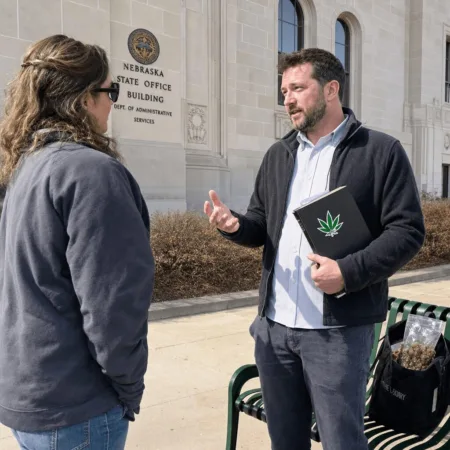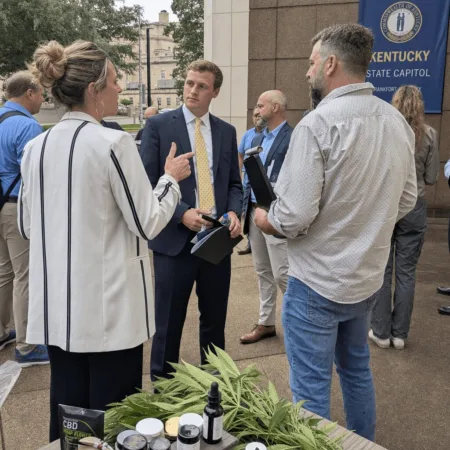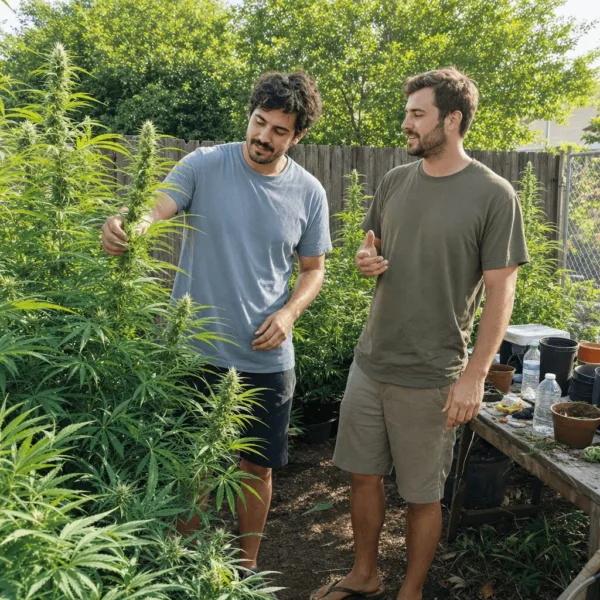
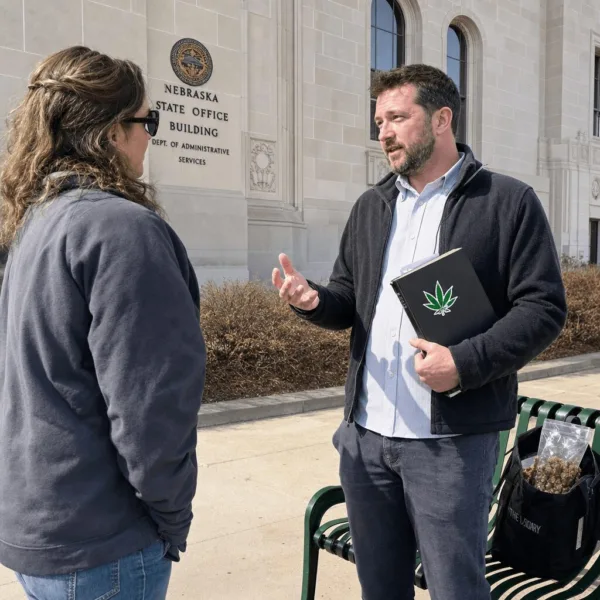
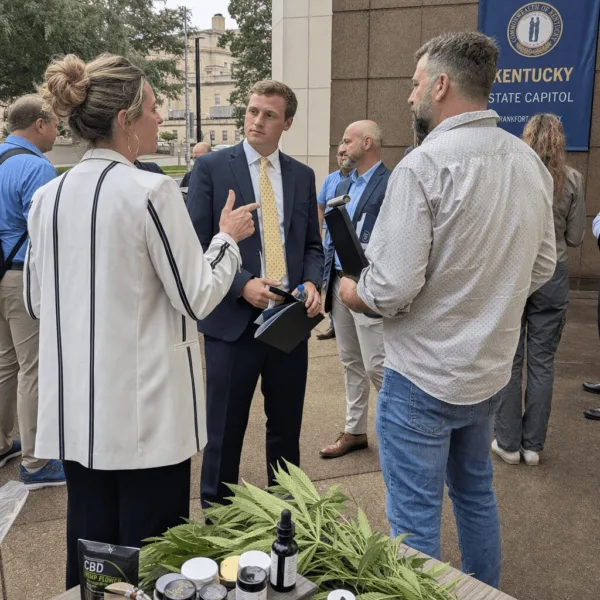


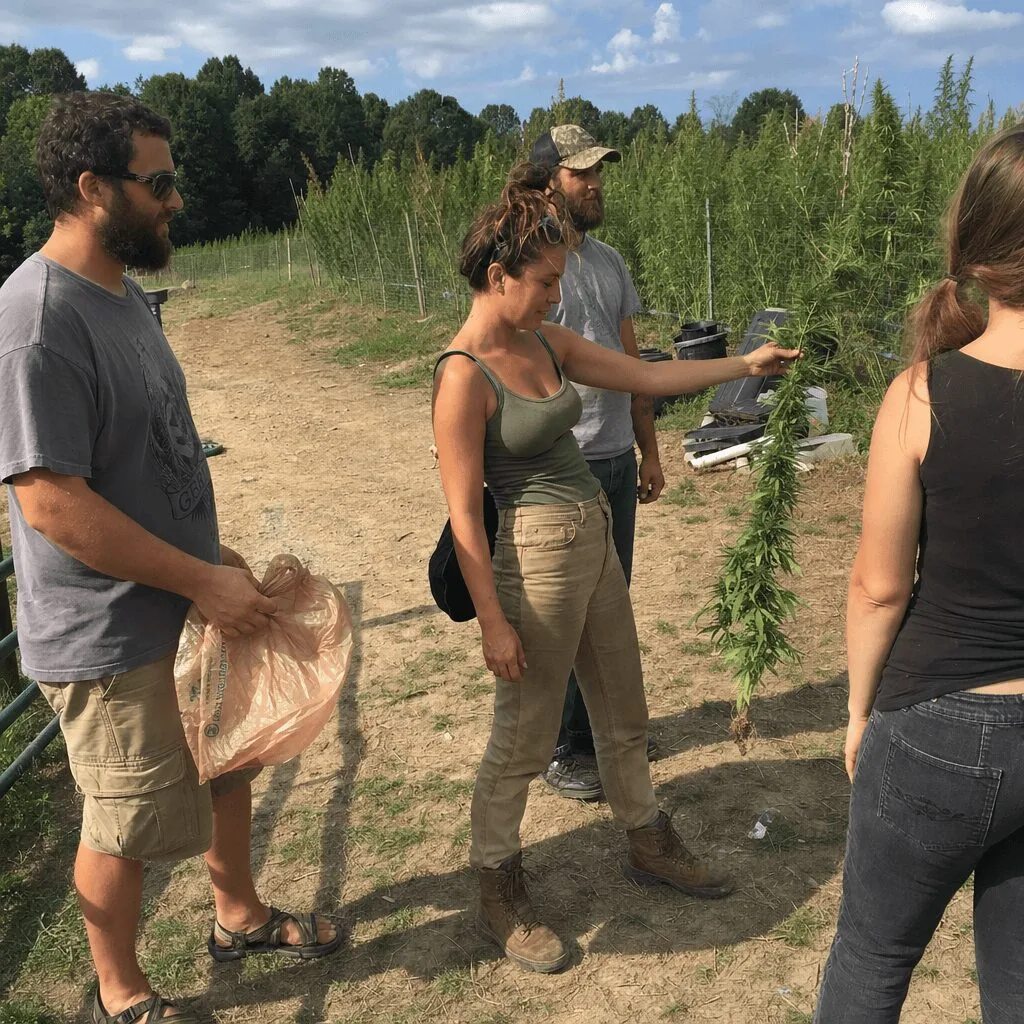
If you’re at all tuned into the Southern cannabis scene, the topic of Carolinas hemp regulation loopholes is unavoidable in 2024. As the market for hemp, CBD, and cannabis products heats up across North and South Carolina, regulatory quirks and gray areas are changing the playing field for growers, retailers, and everyday consumers. Recent developments have thrust these loopholes into the spotlight, creating both heated debate and unique market opportunities. Whether you’re a passionate advocate, cautious policymaker, or just a curious observer, these evolving rules will impact how hemp is grown and enjoyed throughout the Carolinas.
Understanding Carolinas Hemp Regulation Loopholes: Industry and Legal Backdrop
To grasp the current drama around Carolinas hemp regulation loopholes, it helps to step back and see how the industry reached this point. The 2018 federal Farm Bill opened the door for legal hemp cultivation across the U.S., but states retained wide latitude on how to structure oversight. In the Carolinas, North Carolina Department of Agriculture and the South Carolina Department of Agriculture both permitted licensed hemp farming, sparking a local industry boom. But unlike more mature markets, these states haven’t unified hemp regulations with adult-use or even medical cannabis law. Instead, they rely on ambiguous standards around THC content, processing, and retail sales, leaving major elements open to interpretation. This approach has fueled both a DIY entrepreneurial spirit and uncertainty, and as explored in a recent discussion on educational influences on cannabis policy, anyone who attends a Carolina farmers’ market might spot everything from smokable flower to Delta-8 extracts being sold beside homegrown tomatoes. These regulatory cracks have offered room for bold creators, but also raised legal gray areas that government and law enforcement wrestle with daily, as chronicled by reputable journalism such as the Christian Science Monitor.
Key Developments and Issues: Where the Loopholes Show
In 1785190240, the most talked-about Carolinas hemp regulation loopholes revolve around how state law distinguishes hemp from marijuana. North Carolina statutes still mandate that hemp contain less than 0.3% Delta-9 THC, as detailed by the North Carolina General Assembly. But recent product innovations, for example the development of Delta-8 THC products, have slipped through the cracks, flying under outdated regulatory radars. Law enforcement, meanwhile, faces major headaches in telling hemp from cannabis with higher THC, slowing prosecutions and raising questions about lab testing accuracy. In the last six months, several counties have debated bans on smokable hemp because officers can’t visually distinguish it from illegal marijuana, according to WRAL News. Meanwhile, South Carolina regulators are similarly tangled: a recent legal challenge temporarily halted sales of certain hemp-derived edibles, but those products have quickly reappeared in stores due to ambiguous statutes. This situation echoes industry-wide challenges described in recent legal reviews on cannabis litigation. Major local growers, like Carolina Hemp Company and others, often find themselves innovating faster than lawmakers can react. At the same time, advocacy groups push for common-sense guidance, insisting that small farmers and retailers deserve certainty rather than whiplash law changes.
Expert Insights: Navigating the Hazy Landscape
The real story about Carolinas hemp regulation loopholes goes beyond courtrooms and committee hearings. According to a recent report by MJBizDaily, Southern hemp farmers face wild swings in supply, demand, and law. Dr. Lisa Bracken, a respected cannabis law researcher at UNC, remarked, “The rapid rise of hemp-derived compounds like Delta-8 in North and South Carolina is a classic case of innovation outpacing regulation. As soon as one loophole closes, the market finds another.” This dynamic drives both product diversity and headaches for enforcement agencies already under-resourced. In fact, national groups like NORML and Leafly News have pointed out that these legal ambiguities are pushing the conversation forward, all but forcing lawmakers to modernize their approach—ideally by working with, not against, local cannabis communities. For example, incidents such as local arrests and changes in prosecution patterns, similar to what was revealed in recent news surrounding arrests and cannabis reform, illustrate the impact that unclear rules can have on real lives. Realistically, the current dynamic benefits some bold players, but many honest local farmers and retailers just want stable, clear rules that protect both consumer choice and public safety.
Looking Ahead: A Bold, Hopeful Future for Carolina Cannabis
While confusion around Carolinas hemp regulation loopholes can frustrate anyone who enjoys the plant or depends on the hemp economy, there’s plenty of reason for optimism. Public opinion in both Carolinas continues to shift toward broader cannabis acceptance, with recent Pew Research Center data showing overwhelming support for legalization. Industry watchdogs predict that 2024 and beyond will bring not just tighter rules, but smarter ones—focusing on potency thresholds, clear labeling, and consumer guidance instead of blanket bans or criminalization. Local farmers, shop owners, and hemp enthusiasts have shown that adaptive, creative collaboration can move policy forward. As the Southeast continues to embrace new agricultural and wellness trends, the Carolinas’ story—tangled as it may be—proves the cannabis movement is here to stay, thanks in part to passionate communities refusing to settle for outdated laws.
Originally reported by: csmonitor.com