

Cannabis Cultivation Optimization: Rescue & Boost Facility Yields
The cannabis industry has never been more competitive. As consumer demand surges and regulations tighten, even seasoned cultivators are under pressure to squeeze every gram of quality out of their rooms. That’s where cannabis cultivation optimization enters the scene. In today’s market, maximizing resources and troubleshooting struggling grow facilities can mean the difference between success and a halted harvest. We’ll break down the hottest trends, actionable solutions, and why this topic is at the heart of the modern cannabis movement.
Understanding the Background: Cannabis Cultivation Optimization in 1780929583
Let’s be real, cannabis cultivation isn’t just about throwing seeds in dirt and hoping for sticky greatness. The landscape is ruled not only by plant genetics, but by a maze of regulations, wild energy costs, and state-by-state patchwork laws. Especially after 2021, when mainstream acceptance kicked into hyperdrive, facilities of all sizes have faced monumental pressure to both up their yields and play by an ever-evolving rulebook. According to authoritative sources like MJBizDaily and Marijuana Policy Project, legal compliance and operational efficiency are now as important as dank terpenes or frosty buds. Meanwhile, constant changes in environmental regulations and the rise of sustainability standards have put growers under the microscope. States such as Minnesota—where shifts in cannabis law are frequent—exemplify how evolving regulations shape operational priorities (learn what locals need to know now). If you’re operating in regulated markets like California or Illinois, failure to dial in your grow means more than lost profits, it could mean losing your license. This puts cannabis cultivation optimization at the top of every cultivator’s to-do list.
Key Developments & Issues: Turning Around Struggling Cannabis Facilities
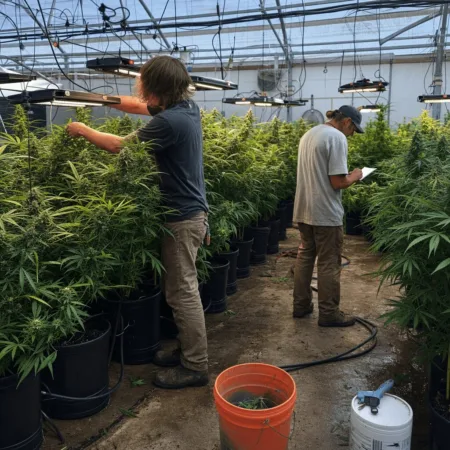
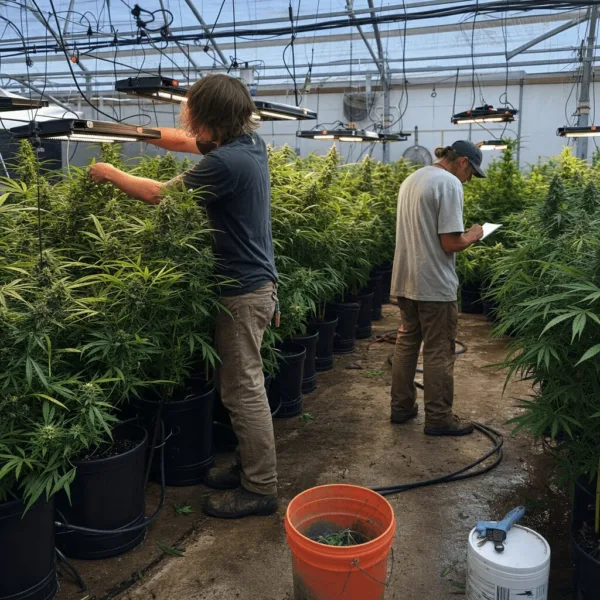
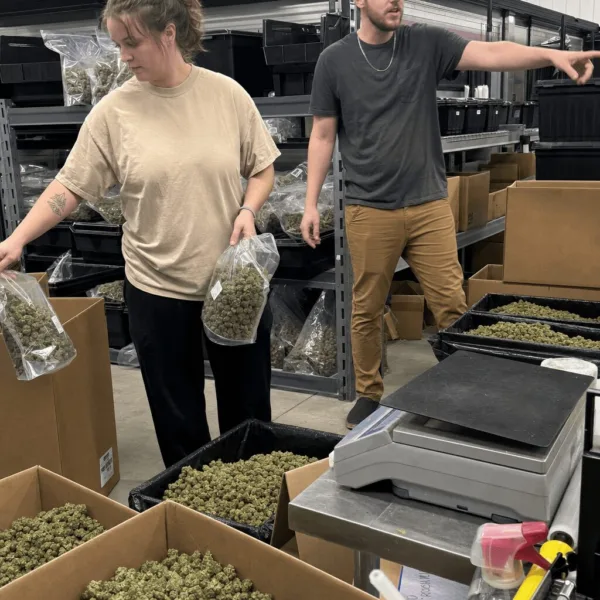
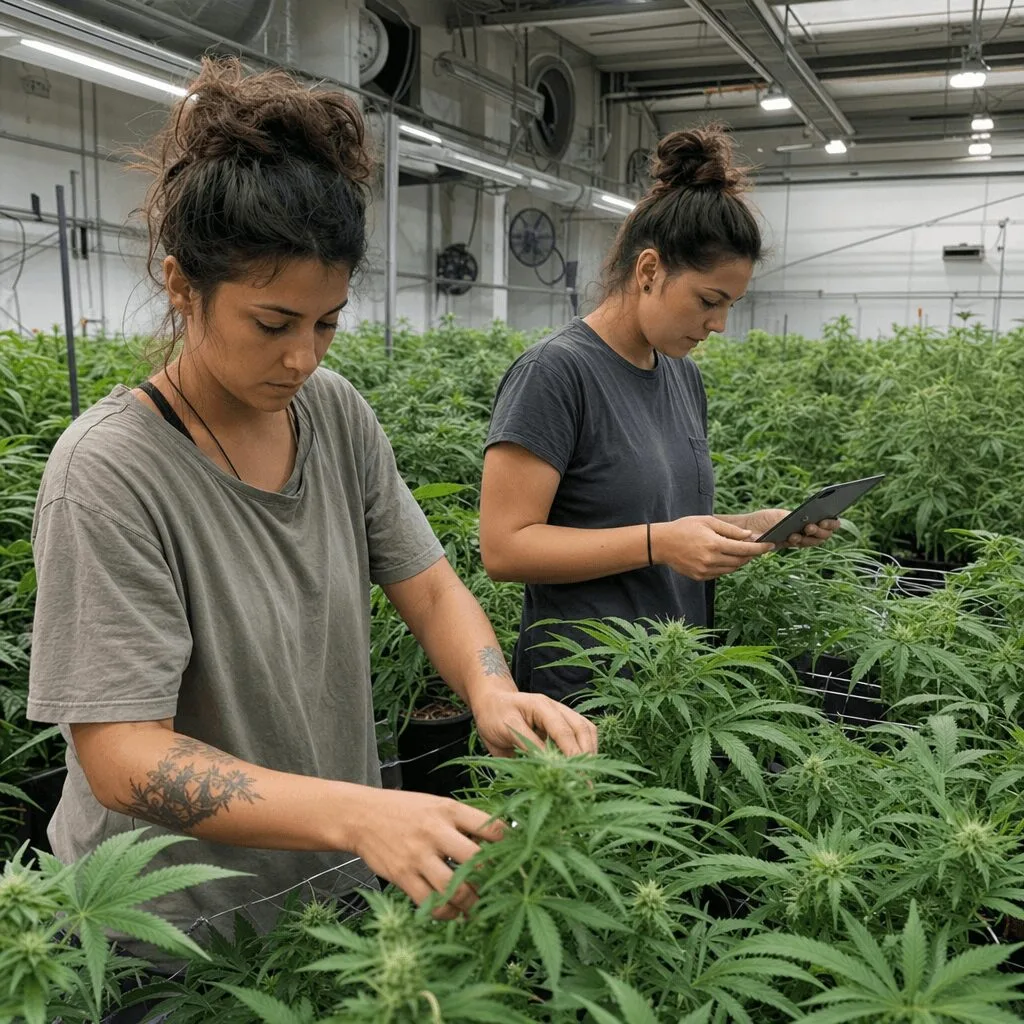
The pressure to achieve consistent yields is intense. According to a detailed MMJDaily case study, even well-funded facilities can hit roadblocks, ranging from unexpected disease outbreaks and nutrient imbalances, to HVAC failures or sloppy SOPs. For growers in highly taxed markets, the stakes are even higher; for example, Michigan’s recent wholesale tax shortfalls have highlighted new risks for large-scale producers (explore what’s behind the disappointing revenue drop). The article highlights a real-world scenario (1780929583) where a cannabis business was hemorrhaging productivity: pest infestations, underperforming lighting systems, and higher-than-expected crop loss were just the start. After auditing their environmental controls and reviewing detailed grow logs, managers refocused on cannabis cultivation optimization. They implemented targeted interventions: precision dosing schedules, improved staff training, smarter environmental monitoring, and continuous pest/disease prevention. By systematically attacking these issues, the facility not only halted the decline but reversed it, bringing yields above baseline within a single season. This underscores just how crucial proactive troubleshooting and data-driven decision-making are in modern cultivation.
Expert Analysis & Insights: What the Data, and the Pros, Say
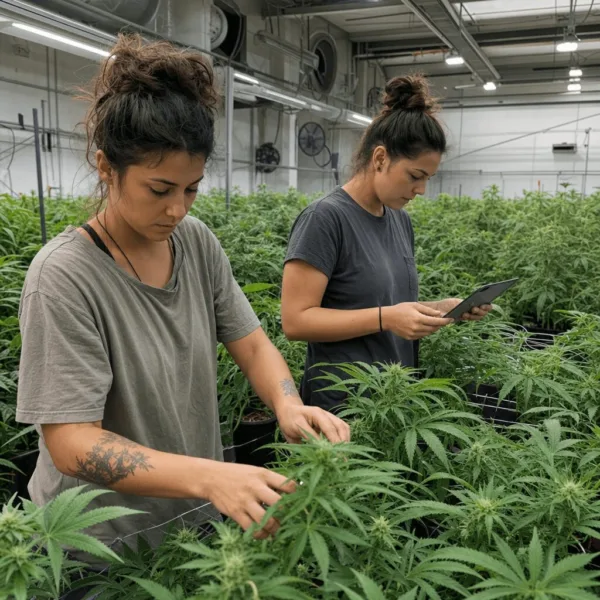
Cannabis cultivation optimization isn’t just a catchphrase, it’s the difference between bragging rights and shuttered doors. The MMJDaily report, paired with data from Cannabis Business Times and NCSL reports, shows that most growers who invest in rigorous process controls return stronger profits, even in turbulent times. Expert cultivator Marcus Bennett, as cited in Cannabis Business Times, puts it simply: “If you’re not optimizing, you’re operating blind. Every wasted resource and every unchecked variable is money out the door.” In regions like Oklahoma, recent regulatory changes are making it harder for smaller growers, adding urgency to process optimization for survival (why small growers face hard new realities). Bennett and other experts stress that focusing on detailed crop monitoring, team education, and redundancy planning—think backups for your backups!—can spot trouble before a harvest is at risk. The modern grow is a place for science, not superstition. These days, the best-run operations blend old-school horticulture knowhow with new-school analytics. This hybrid approach is rewriting how successful teams handle setbacks, proving how central cannabis cultivation optimization is to the business’s long-term survival.
Future Outlook & Conclusion: The Path Ahead for Cultivation Success
The journey for cannabis cultivation optimization is just ramping up. Industry trends point to greater investment in infrastructure, data collection, and eco-friendly tech as markets mature. As noted by Leafly’s industry analysts, operators willing to evolve and adopt best practices consistently outperform the pack. The good news? Moments of crisis often spark the most growth—not just for the plants, but for the teams behind them. With national attitudes softening, more states coming online, and steady improvements to cultivation science, the odds are tipping in favor of those willing to innovate. Cannabis is a plant of resilience, and so are its people. Embracing cannabis cultivation optimization isn’t just about more grams; it’s about building a culture (and business) that thrives through change. The future is green, and it’s more dialed-in than ever before.
Originally reported by: mmjdaily.com