



New York marijuana legalization: Unintended Consequences Exposed
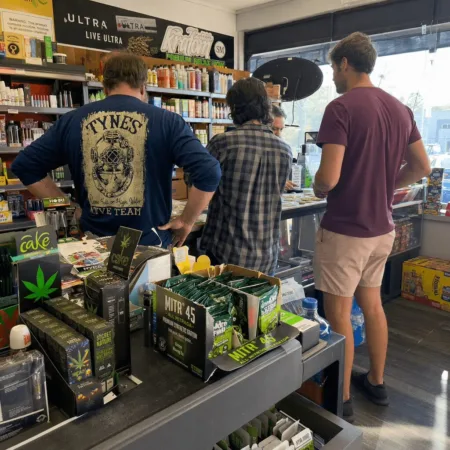
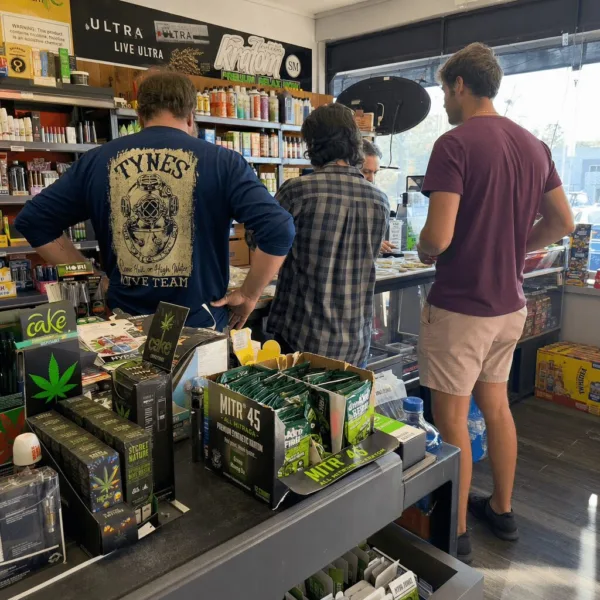
Suddenly, New York marijuana legalization is on everyone’s lips—and not just because the city’s catching that good, green buzz. With dispensaries booming and cannabis culture going legit, headlines remind us that every revolution carries a little chaos. You’ve probably seen the news: the unintended consequences of legalization are rolling in, from edible mishaps in playgrounds to regulatory headaches for city officials. As New York adjusts to a post-prohibition society, it’s crucial to dig into what’s really happening, why it matters, and what the city can learn as it navigates this new era.
Legal Shifts, Market Realities, and Public Reaction
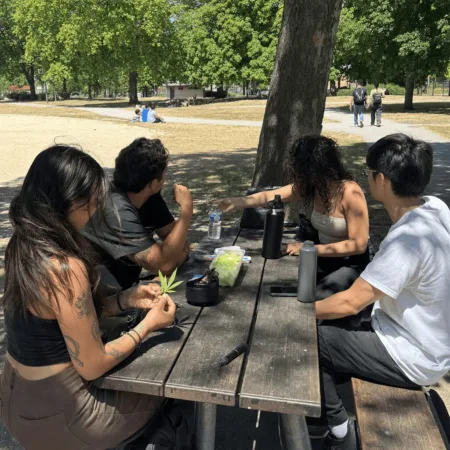
Let’s put the New York marijuana legalization situation in context. After decades of prohibition, New York’s Marijuana Regulation & Taxation Act (MRTA) took effect in March 2021, opening the door to both medical and adult-use cannabis sales. This move, heralded by advocates, was meant to boost tax revenue, address social justice, and bring illicit sales into the light. Market forecasters like Benzinga and New Frontier Data projected billions in potential annual revenue. For readers interested in how state-level cannabis reform compares nationwide, see this 2024 guide to cannabis legalization by state. But regulatory hurdles, limited dispensary licenses, and a wild west of unlicensed sellers have created real friction. Meanwhile, New Yorkers are still learning the ropes as they navigate evolving laws and shifting norms around responsible consumption. Across the state, parents, city officials, and longtime advocates are recognizing that cannabis legalization isn’t just about celebration, it’s about responsibility and education, too.
Recent Events: Unintended Consequences in Focus
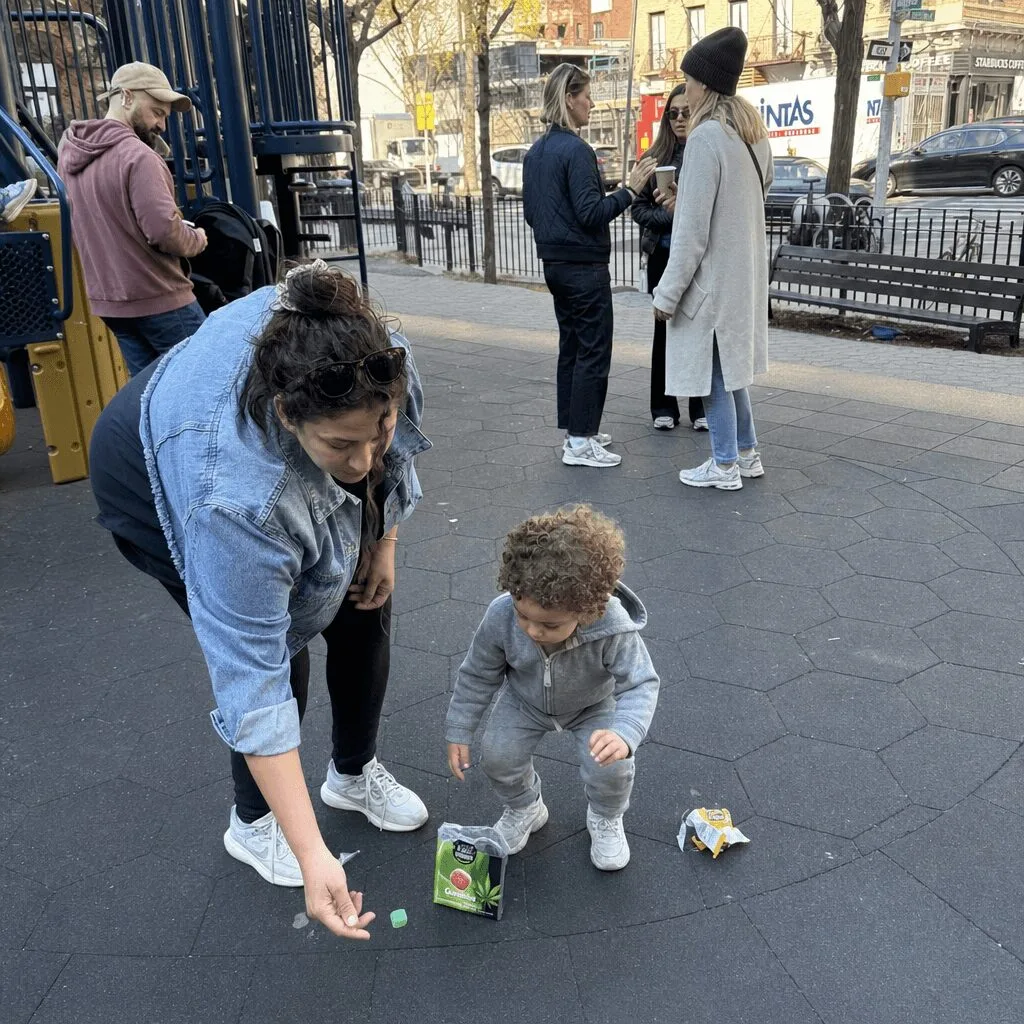
In July 2026, the New York Post spotlighted troubling incidents tied to New York marijuana legalization. The most shocking? Reports of children nearly ingesting appealing, cannabis-infused edibles in city playgrounds. These situations often unfold when cannabis packaging closely resembles everyday snacks and is left behind by careless adults. Some incidents reportedly required quick parental intervention, but not all ended so harmlessly. Public health officials in New York City have confirmed an uptick in pediatric emergency room visits due to accidental cannabis exposures. Data from the CDC verify that this is part of a nationwide trend following recreational legalization, and for those following unintended health consequences, recent research on cannabis use and testicular cancer is also drawing notice. Moreover, confusion persists around where cannabis can be consumed, how products must be labeled, and what legal responsibilities dispensaries really hold. Critics point to delays in enforcing packaging standards and holding illegal street vendors accountable. Local city councils and community groups are rallying for tighter regulations and education campaigns to keep vulnerable residents safe while preserving adults’ right to enjoy legal weed. Companies that manufacture and sell infused products, especially those whose branding could attract children, are under increasing scrutiny and could soon face stricter penalties should non-compliance persist, according to ongoing legislative hearings and state compliance updates.
Expert Analysis: Growing Pains, Not Fatal Flaws
Let’s be real, New York marijuana legalization is going through a classic adolescence, a little awkward, sometimes chaotic, but totally normal as the industry matures. Accidental exposure and flashy snack-inspired packaging are real problems, but they’re solvable. Industry experts and advocacy groups agree that responsible regulation, public education, and tighter control of illicit markets are the long game. As Leafly’s Bruce Barcott put it, “No legalization law gets everything right the first time, but fixing problems is a sign the system works.” For those interested in the federal side, you can also learn more about recent DEA developments in how operators are responding to cannabis DEA rescheduling news. Most legal states, from California to Illinois, faced early hiccups with edibles, prompting robust packaging redesigns, stronger age-gating, and tougher local enforcement. New York is already making moves in the right direction, but it’ll take honest partnership between producers, regulators, parents, and informed consumers.
- Mandating opaque, child-resistant packaging for all edibles.
- Clear THC symbol and warning labels, as required by state law.
- Prohibition of cartoonish branding and products resembling common children’s snacks.
Public health officials and responsible retailers (see guidance from Americans for Safe Access New York) are pushing for both community education and rapid incident response. At the end of the day, most New Yorkers want legalization to work—they just want it safer, smarter, and with fewer near-misses on the playground.
Looking Ahead: Positive Paths and Industry Evolution
The story of New York marijuana legalization is still being written. Mistakes and headlines like these aren’t signs of failure—they’re learning curves, as the city and state discover what full legal access really looks like in daily life. As consumer education grows, parents and city leaders adapt, and regulations tighten, these incidents are likely to become less frequent. Advocates remind us of the momentum: adult-use legalization is now the norm in nearly half the country, and each state builds off the lessons of its neighbors. According to MJBizDaily’s latest market report, New York’s cannabis industry is on track for sustained growth, greater diversity, and stronger accountability than ever before. As cannabis becomes woven into the city’s vibrant, complicated fabric, the future holds a smarter, safer, and more responsible marketplace for all.
Originally reported by: nypost.com