


Medical Marijuana Showdown Looms as South Dakota’s 2024 Ballot Nears
Amidst mounting anticipation, South Dakota’s political landscape is set for a seismic shift with a looming “Medical Marijuana Showdown” as the 2024 ballot approaches. The state’s attorney general, Marty Jackley (R), has unveiled the conclusive outline for a proposed initiative aimed at dismantling the existing medical marijuana program, a move spearheaded by Republican activist Travis Ismay.
Fresh off his submission of a preliminary summary for a distinct measure to legalize adult-use cannabis, Attorney General Jackley’s office has now confirmed the final details for the counter-initiative against reform, drawing significant attention. The conservative proponent behind the endeavor, Travis Ismay, is concurrently striving to introduce another ballot measure that seeks to preemptively quash any future attempts at legalizing federally prohibited drugs in the state.
According to the attorney general’s comprehensive explanation, This initiated measure repeals South Dakota’s medical marijuana program.
If sanctioned, this repeal would render all aspects of marijuana-related activities, encompassing possession, usage, cultivation, manufacturing, and sales, criminal offenses. It’s crucial to note that the proposed measure does not intersect with laws pertaining to hemp, while highlighting the continuing federal illegality of marijuana.
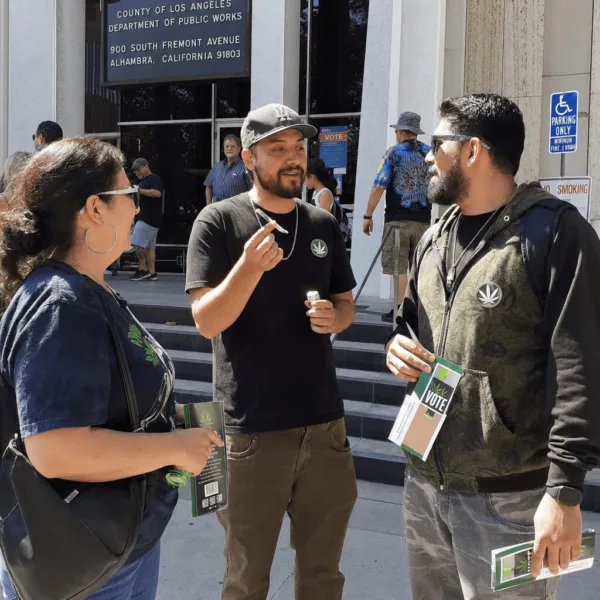
The journey to secure a spot on the 2024 ballot demands the collection of a minimum of 17,509 valid signatures from registered voters—a monumental task that Ismay and his supporters are fervently undertaking. Despite their efforts, the resonance of the pro-medical marijuana sentiment resonates from the recent past, as the 2020 ballot saw a resounding 70 percent approval for the program.
However, as history suggests, the political landscape is not devoid of surprises. Even after triumphantly passing an adult-use cannabis legalization measure in 2020, voters turned the tables and rejected a similar proposal in the subsequent year, following a state Supreme Court intervention that nullified the initial victory.
While proponents of reform gear up for another attempt on next year’s ballot, they are meticulously scrutinizing the attorney’s draft summary. Notably, their proposal’s characterization in the summary as legalizing “distribution” of cannabis is drawing controversy due to the absence of a commercial sales component—an aspect they are hoping to rectify during the ongoing public comment phase.
Beyond the intricacies of the proposal itself, financing emerges as a pivotal factor that could shape the trajectory of the campaign. The backing of the national Marijuana Policy Project (MPP) looms large in the equation, and the campaign’s full commitment to gathering signatures hinges on funding prospects.
A snapshot of public sentiment preceding last year’s elections revealed a nuanced stance among South Dakotans: 51 percent expressed opposition to the legalization measure, while 40 percent were in favor, and 10 percent remained undecided. The trend of skepticism persisted through multiple polls, underscoring the dynamic nature of cannabis policy approval.
In a bid to delay the implementation of the medical cannabis program after the 2020 endorsement, Governor Kristi Noem (R) sought legislative approval for an additional year of postponement. Although the House lent its support, the Senate failed to reach a consensus in conference, delivering a setback to the governor’s agenda.
Faced with this setback, Governor Noem’s administration embarked on a path of negotiation and compromise. One proposal that emerged aimed at decriminalizing possession of up to one ounce of cannabis, capping patient cultivation at three plants, and excluding individuals under 21 from medical marijuana eligibility.
As the 2022 legislative session unfolded, the Senate’s passage of a legalization bill met rejection in the House, effectively shifting the responsibility back to activists for ballot access. This scenario led to the formation of a Marijuana Interim Study Committee, entrusted with evaluating cannabis policy reform. Ultimately, the panel endorsed a legislative push towards legalization—a recommendation that directly influenced the creation of the defeated House bill.