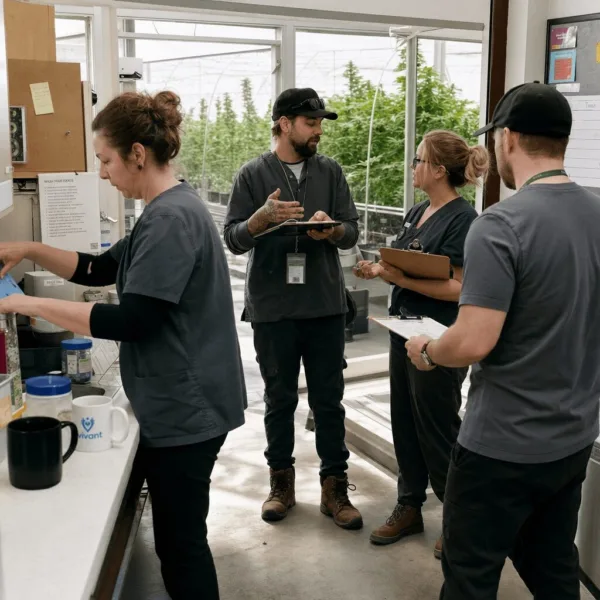




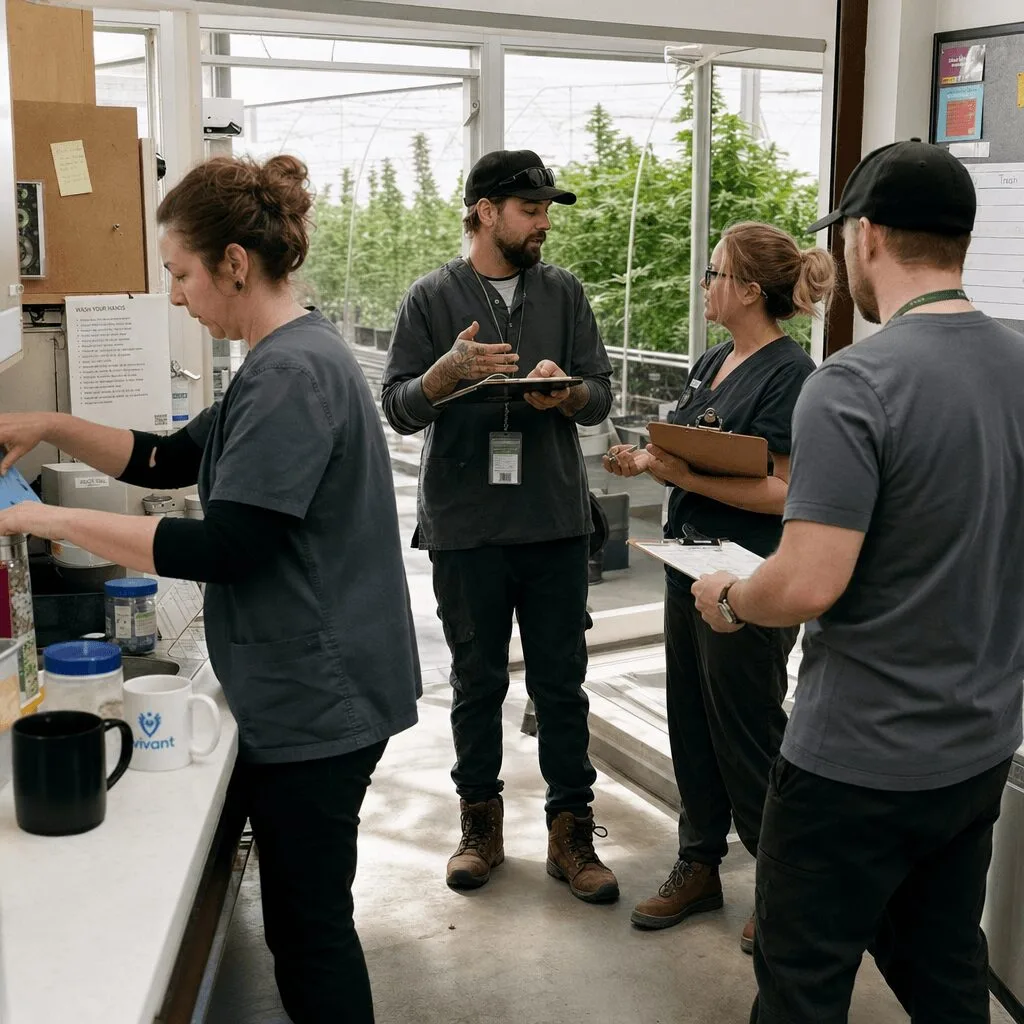
The Utah cannabis labor dispute is lighting up conversations across the state’s medical market. With medical cannabis use expanding in Utah, workplace issues are surfacing in new ways. This latest labor dispute pits dedicated workers against a medical cannabis company, sparking debates that ripple far beyond the break room. Why does this matter? Because the path Utah takes now could set standards on labor rights, industry oversight, and business ethics across the cannabis landscape in 2024. Let’s break down the drama, the stakes, and why everyone in cannabis—patient, pro, or industry player—should care.
Regulatory Backdrop: Utah Cannabis Labor Dispute in Context
Utah’s medical marijuana market sits at a unique crossroads, shaped by state laws, federal prohibition, and evolving social norms. Since Utah legalized medical cannabis in 2018, the industry has ballooned, providing critical relief to thousands of patients while also generating serious economic momentum. The state’s Department of Health enforces strict regulation: only licensed cultivators and processors operate under a tightly controlled framework. But here’s the catch: despite compliant local policy, cannabis remains federally illegal. This legal grey area creates constant challenges, especially around banking, employment rights, and union formation (NBC News). Recent years have seen increased organizing efforts within dispensaries and cultivation facilities, with unions stepping up to advocate for worker safety, pay, and health coverage—essential protections in any evolving industry. Yet, employers frequently cite federal law as a shield against unionization, complicating the labor landscape like nowhere else. Interestingly, in other states, bold unionization moves in regions like New Jersey are shaping dispensary labor standards, showing a national trend toward increased worker activism. In Utah, these tensions are now boiling over and shaping the very future of workplace rights within the cannabis business.
Utah Cannabis Labor Dispute: Key Developments & Core Issues
Let’s cut to the chase, the major Utah cannabis labor dispute centers on Dragonfly Wellness, a powerhouse medical cannabis provider. In early 2024, employees launched a push to unionize, voicing concerns over pay, hours, and workplace protections. Dragonfly Wellness, however, invoked federal marijuana prohibition as a legal defense, arguing that, because cannabis is federally prohibited, federal labor law protections shouldn’t apply. According to MJBizDaily, this legal argument is both untested and highly controversial. In response, the union sought intervention by the National Labor Relations Board (NLRB), which oversees union voting and labor rights nationwide. Despite clear commitment from many employees, Dragonfly’s legal strategy caused delays and heightened tensions, leaving staff in limbo and the industry watching closely. Situations like this can also be found elsewhere, such as recent enforcement crackdowns that reshape the landscape of cannabis employment. The situation highlights a unique crossfire: Utah state-level support for medical cannabis versus unresolved federal bans that muddy labor law enforcement. Recent legal filings, reported by Deseret News, confirm that both sides are digging in, making this a battleground moment for the state’s cannabis workforce.
Expert Analysis & Real-World Insights on the Utah Cannabis Labor Dispute
What’s really driving this? Industry experts say it’s a classic case of rapid industry growth meeting outdated labor laws. According to Dr. Amanda Reiman, a cannabis policy analyst at New Frontier Data, “We’re in this odd limbo where local reforms move forward fast, but employee rights can get lost beneath federal hang-ups.” The Utah cannabis labor dispute underscores how federal prohibition isn’t just a banking hassle, it’s a human resources headache. As the workforce grows, so does demand for fair pay, health benefits, and safety protections. Issues like volatility and lack of legal clarity also mirror concerns seen during recent upheavals in the cannabis market due to major regulatory filings. Dispensary staff and cultivators cite burnout and market volatility, combined with a lack of legal clarity, as reasons unionization is gaining traction. Analysts say Utah’s moment could be a turning point. If labor organizations win, the state may set a pro-worker precedent; if not, it risks embedding unequal conditions in a rapidly institutionalizing industry. Meanwhile, business groups warn that labor disputes and legal uncertainties can deter investment, slow growth, and further complicate regulatory compliance. The takeaway, the Utah cannabis labor dispute is about more than paychecks, it tests the industry’s promise of social progress and safe, equitable jobs.
The Future of Utah Cannabis Labor Disputes: Optimism Amid Growing Pains
The Utah cannabis labor dispute may be messy, but it’s also a sign of the market maturing. This is what happens when new industries grow up fast: higher stakes, bigger debates, and the urge to get it right. As Leafly notes, unionization efforts are surfacing industry-wide, driving positive change even amid conflict. Utah’s workforce stands at the center of a crucial conversation—one that balances legal realities, market needs, and basic fairness. As lawmakers and industry leaders seek solutions, the cannabis community can push for better protections, stronger oversight, and more inclusive decision-making. With continued advocacy and smarter regulation, Utah can set a precedent for equity and growth within cannabis nationwide. In short, as Utah tackles these challenges in 2024, the entire industry edges closer to normalcy, resilience, and respect—one labor dispute at a time.
Originally reported by: mjbizdaily.com