

Collegeville encampment arrest: Breaking Update on City Action
This moment, the Collegeville encampment arrest is striking a nerve across the city and sparking important conversations. Recent actions by city officials have escalated tensions, drawing eyes from advocates, residents, and industry veterans alike. As the cannabis landscape rapidly evolves in 2024, what happens here holds real consequences for policy, public perception, and future advocacy. Let’s break down what’s fueling the headlines and why the Collegeville encampment arrest matters so much right now.
Regulatory, Social, and Legal Forces Behind the Collegeville Encampment Arrest
The Collegeville encampment arrest didn’t happen in a vacuum. This year, we’re witnessing a collision of regulatory momentum and community activism that’s shaping the fate of cannabis users, urban campers, and city governments coast to coast. On one hand, local authorities are under mounting pressure to manage encampments amid growing concerns about urban safety, sanitation, and public health. On the flip, the cannabis community keeps pushing forward, driven by surging legalization trends and ongoing conversations about criminal justice reform (Pew Research, 2023). Layer that with a patchwork of state and municipal cannabis regulations, and, honestly, you get a recipe for constant tension and legal gray zones. Discussions about the complicated intersection of city policy and cannabis are similar to what urban communities experience when art, culture, and cannabis mingle, like when art, culture, and cannabis converge in city spaces. In Alabama, where policy is still catching up to changing attitudes, law enforcement remains in a tight spot when it comes to encampments involving possible cannabis possession or advocacy. This dynamic tension is why incidents like the Collegeville encampment arrest reverberate nationally, not just locally.
Key Developments: What Actually Happened at the Collegeville Encampment?
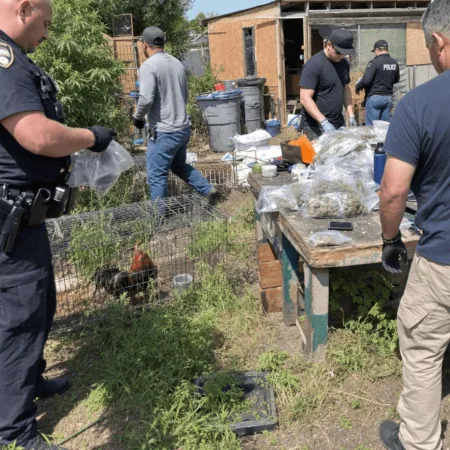
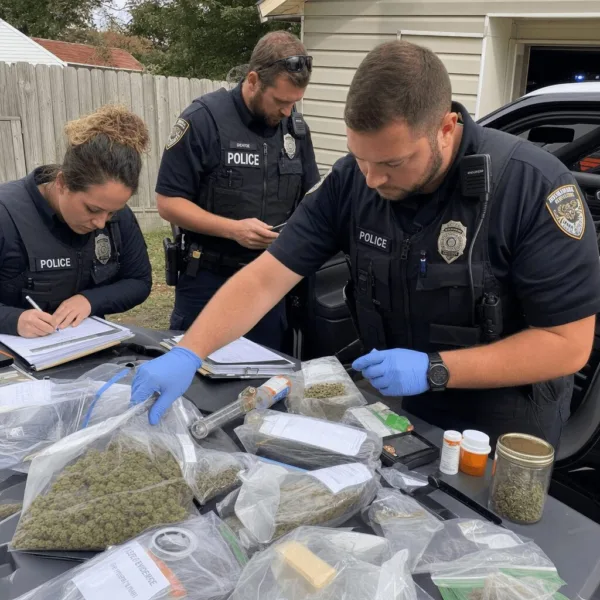
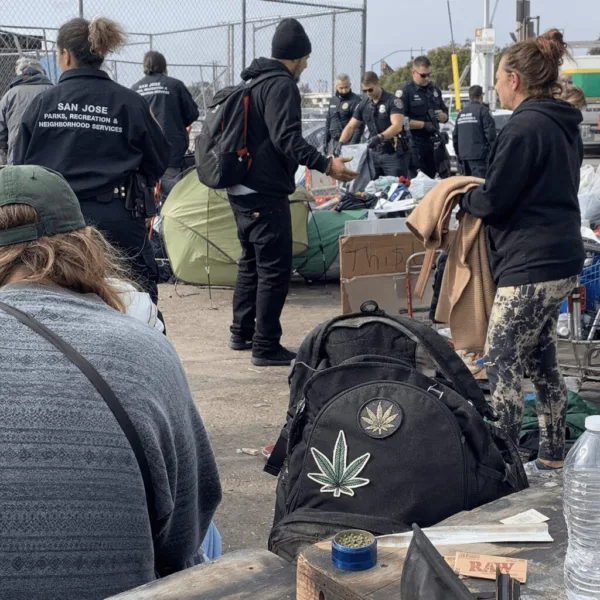
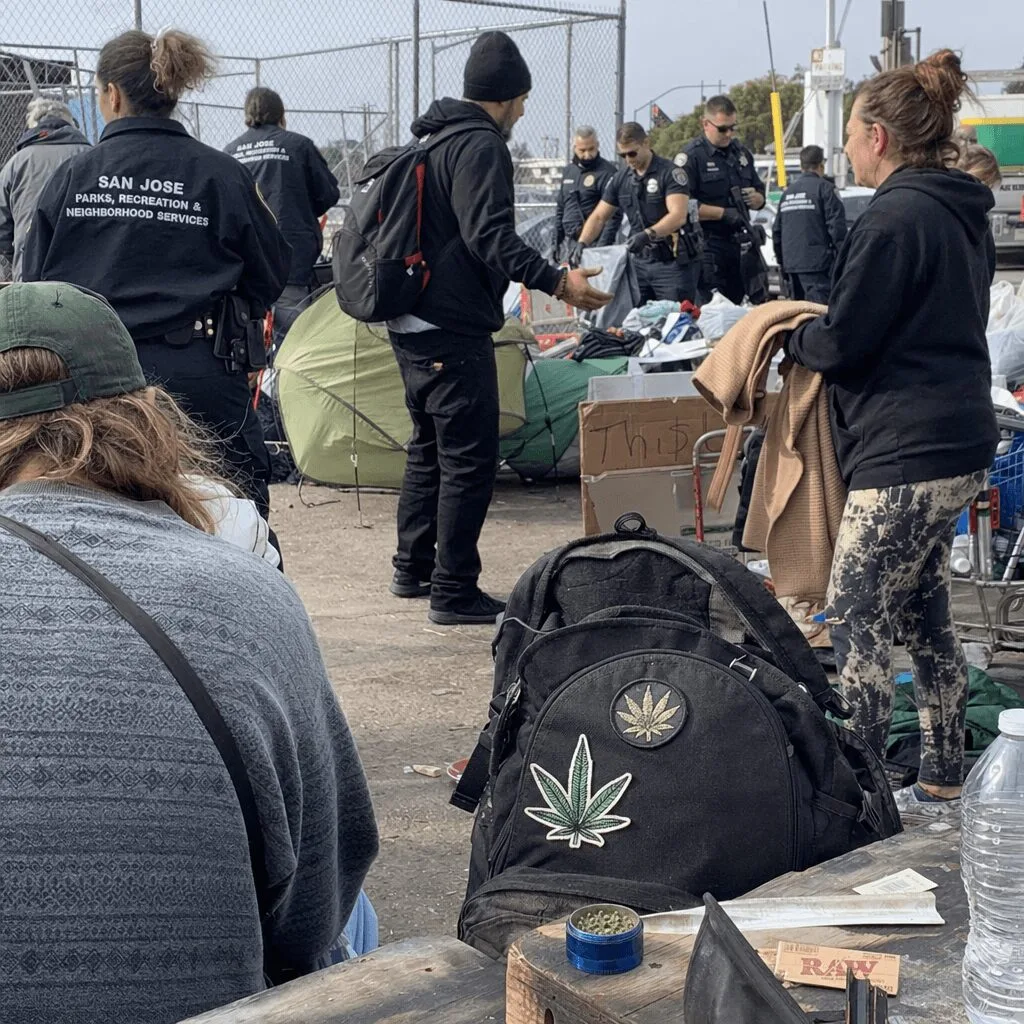
The core of the Collegeville encampment arrest centers on direct city action taken in late June 2024. On the morning in question, authorities, including city workers and police, moved in to clear a longstanding urban encampment in Collegeville. Reports indicate the alleged leader of the group was arrested, prompting outrage from advocates and community members concerned about civil rights and targeted policing. The city described its actions as necessary for health and safety reasons, citing complaints from nearby businesses and ongoing sanitation issues. However, according to local outlets (ABC 33/40, 2024), observers note the heavy-handed approach magnified longstanding city tensions with marginalized groups, including medical cannabis users who, despite increasing acceptance across much of the U.S., still face stigma and arrest in parts of Alabama. The police report cited possession of cannabis-related paraphernalia as part of the justification—a legal gray area in a state just starting to legitimize medical use since the slow rollout of Alabama’s medical cannabis program began in late 2021 (Alabama.gov). These developments echo broader trends in controversial arrests—as seen in other regions where drug policies and law enforcement clash.
Expert Analysis: What Does the Collegeville Encampment Arrest Really Mean?
Honestly, we’ve seen this movie before, and it never ends well for progress unless people speak up, vote, and stay informed. The Collegeville encampment arrest is a flashpoint in Alabama’s evolving stance on both cannabis and homelessness. City leaders are likely feeling pressure from constituents to act tough, but history shows that criminalizing marginalized groups often worsens the problems it claims to solve. From an industry perspective, this is another reminder that legalization isn’t just about dispensaries—real people’s lives are on the line when policy lags behind public opinion. For insight into how misleading public discourse can impact communities, it’s valuable to look at the effects that inaccurate messaging about marijuana has had in recent local campaigns. Canna-policy expert Emily South, contributing editor at MJBizDaily, puts it bluntly: “Local enforcement actions like the Collegeville encampment arrest demonstrate that gaps in state reform can lead to harsh real-world consequences for vulnerable cannabis users. States must align criminal justice practices with evolving market realities and voter sentiment.” Failing to do so opens the door to uncertainty and uneven enforcement, undermining the benefits legalization is meant to bring.
Looking Forward: Opportunity Amid Challenge
Despite the frustration sparked by the Collegeville encampment arrest, there’s a real sense of optimism fueled by broader national trends. The cannabis industry continues to mature, with research support and broader public backing for more compassionate, rational policies. More states are expanding patient access, while social acceptance hits new highs every year (NORML, 2024). If cities want safer, healthier communities, prioritizing harm reduction over criminalization is key. Lessons from the Collegeville encampment arrest could help steer future reforms and inspire advocates to keep pushing for justice, equity, and smart regulation. As the landscape keeps shifting, I’m betting on progress—and so are industry pros and consumers nationwide.
Originally reported by: abc3340.com