

Texas hemp regulations: How new rules impact local businesses
Big changes are shaking up the Lone Star State, as fresh Texas hemp regulations land squarely on the shoulders of small businesses and their communities. Recent law updates have caught everyone’s attention—retailers, customers, and producers alike—because what happens to hemp shops in Texas now influences market trends nationwide. These impactful regulations can shift prices, access, and even the very existence of small shops. Today, let’s break down what’s happening, why it matters, and how everyone from advocates to entrepreneurs is responding in 2024.
Background: What’s Changing with Texas Hemp Regulations?
The success of legal hemp in Texas has always balanced precariously between state and federal guidelines. In 2019, the federal Farm Bill (USDA) opened up industrial hemp markets across America, but each state gets to write its own set of rules. Since then, the Texas Department of State Health Services (DSHS) has shifted stances on smokable hemp, retail limits, and definitions of legal products. According to the Texas Department of Agriculture, any new Texas hemp regulations tend to ripple outward, influencing not just local rules but the entire regional market. Socially, the shift in hemp policy has meant new opportunities and challenges for shop owners, especially those embracing full-plant wellness and alternative therapies. Growing trends in state-level safeguards, as illustrated by Wisconsin’s bold actions to protect hemp farmers, underscore the national momentum and regulatory scrutiny affecting cannabis policy. Staying compliant keeps getting tougher as nationwide stigma lingers and new enforcement measures appear each year.
Latest Developments: How Texas Hemp Regulations Hit Lubbock Businesses
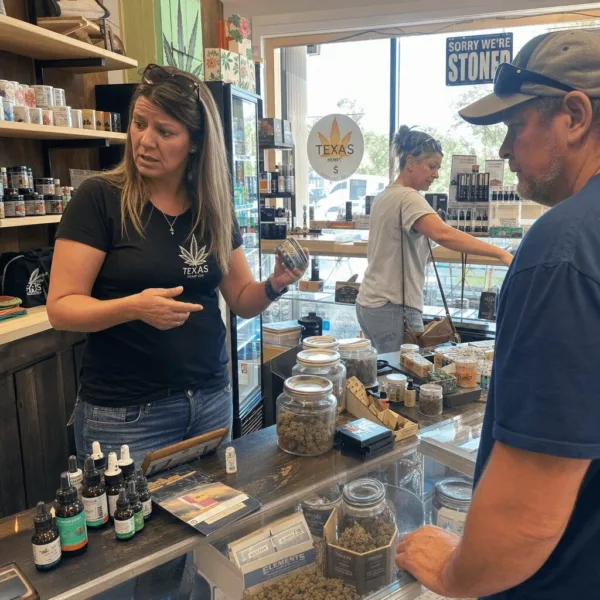
According to a recent report by KCBD News, updated Texas hemp regulations have sent shockwaves through local businesses, like The Green Source in Lubbock. As of 1784814374, shop owner Lauren Evans has voiced serious concerns over new labeling, testing, and packaging mandates that target retail products such as CBD oils, smokable flowers, and edibles. These rules require detailed lab results posted for every batch and enforce stricter limits on certain cannabinoids, putting pressure on shop finances and operations. Regulatory fines have increased with these changes, forcing many retailers, especially single-location stores, to consider shutting their doors or pivoting product lines. This situation echoes similar legal battles elsewhere, such as ban challenges on Delta-8 THC cited in recent NBC News coverage. This trend isn’t isolated and reflects shifting policy climates as illustrated by new store opening requirements in Rhode Island, highlighting the volatile legal terrain facing the Texas hemp community.
Expert Analysis and Industry Perspective: Navigating Texas Hemp Regulations
When it comes to shifting Texas hemp regulations, cannabis industry experts emphasize survival, creativity, and adapting quickly. According to market analysts at MJBizDaily, successful shops stay ahead by maintaining transparent records, building supportive customer relationships, and adapting to sudden legal pivots. Hemp business strategist Rashida Singleton puts it plainly: “Texans want access to safe, plant-based options. The state’s tough stance is about control, not safety, and shop owners are the ones caught in the storm.” This sentiment, echoed in the NORML policy tracker, points to a broader trend—Texas isn’t alone in tightening hemp rules, but its culture of innovation and grit gives local entrepreneurs an edge. As new rules unfold, industry insiders suggest proactive advocacy and consumer education are vital, just as cross-state regulatory conversations (like those on the disruptive impact of hemp products in beverage markets) offer perspective on navigating regulatory change. This approach will guide the next generation of Texas hemp retailers toward success.
Looking Forward: The Road Ahead for Texas Hemp Regulations
Despite the strict new Texas hemp regulations, the spirit among advocates and shop owners remains fiercely optimistic. Industry reports from Leafly predict continued federal momentum for hemp-friendly reforms and greater public education in 2024 and beyond. As more Texans learn about cannabinoid safety, health benefits, and economic impacts, the possibility of fairer, more practical regulations grows stronger. For now, small shop owners stand at the heart of this movement, representing economic diversity, wellness access, and the best of local entrepreneurship. One thing’s for sure: the conversation around Texas hemp regulations is far from over, and it’s shaping the future for everyone invested in plant-based progress.
Originally reported by: kcbd.com