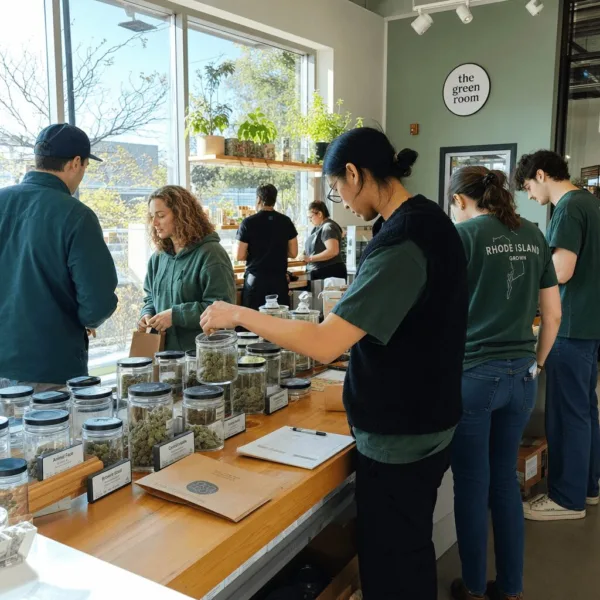


If you’ve been tracking the wave of Rhode Island cannabis store openings, you know we’re in the midst of a real sea change, not just another blip. With recent legal decisions clearing hurdles, dispensaries across the Ocean State are ready to shake up everything from local economies to medical access and adult use. In this update, I’ll walk you through what’s driving this moment, the new legal landscape, and how experts are breaking it all down. Stay tuned for what’s hot, what’s at stake, and what’s still rolling in Rhode Island’s ever-evolving cannabis scene.
Background: The Legal Landscape , Social Impacts in Rhode Island
The story behind Rhode Island cannabis store openings doesn’t start with a single court case, it’s the culmination of shifts in state law, public opinion, and market pressure. Rhode Island’s journey began in earnest in 2006 with medical cannabis legalization, but the real action picked up in 2022 when adult-use sales got the green light via the Rhode Island Cannabis Act (source: Connecticut General Assembly). In a reflection of how rapidly cannabis regulations are shifting nationwide, Rhode Island policymakers carefully watched outcomes in neighbors like Massachusetts and Connecticut, with regulatory flexibility evolving in tandem—much like the new federal efforts to regulate the hemp industry. Rhode Island law now mandates a blend of medical and recreational dispensaries, a cap on adult-use licenses, and a focus on diverse community representation. But, as market demand surged, the number of licenses lagged, sparking lawsuits and regulatory delays. Socially, public perceptions have swung toward acceptance; a 2023 poll by Gallup showed over 65% support for adult-use sales in Rhode Island. Meanwhile, grassroots groups continue to demand transparency, economic opportunity, and real social equity in the licensing process.
Key Developments, Legal Rulings Clearing the Path in 2024
Rhode Island made headlines in July 2024 when a pivotal court decision paved the way for the state to issue new cannabis store licenses. According to the Providence Journal, the Superior Court’s ruling addressed a lawsuit by several applicants challenging how the state ranked and awarded new dispensary licenses. This is just one example of how legal challenges are shaping cannabis store rollouts around the country, similar to recent landmark cases such as Michigan’s court ruling on marijuana search warrants. Plaintiffs argued that the lottery and scoring systems lacked transparency and left qualified operators waiting in limbo. The court’s decision forces state regulators to revisit, clarify, and speed up the license award process. As of July, regulators confirmed plans to distribute additional adult-use retail licenses through a revamped and more public lottery system. Key companies in the mix include Thomas C Slater Compassion Center, Mother Earth Wellness, and GreenLeaf Compassionate Care Center—all eyeing new storefronts across Northern Rhode Island, Providence, Warwick, and the East Bay area. These changes are set to add at least 5-10 new stores before the year’s end, exponentially boosting access for medical and adult-use customers alike. Regulators emphasize that social equity applicants and minority-owned businesses remain a licensing priority, and the battle for retail real estate is officially heating up again in 2024.
Expert Analysis, Trends, Impact, and the Road to Equity
When it comes to Rhode Island cannabis store openings, industry watchers and legacy operators share a cautious optimism. “Rhode Island’s regulated market is finally catching up to consumer demand, but transparency and inclusion are key if these stores are going to benefit all Rhode Islanders,” notes cannabis policy analyst Shaleen Title, as quoted in MJBizDaily. The court decision signals to investors and entrepreneurs that uncertainty is fading, opening the door for multi-state operators and local startups alike to compete fairly. As more states, including Virginia, spotlight cannabis business attorneys and legal clarity at major expos such as the Richmond industry event, the movement continues to grow. Increased licensing will relieve pressure on existing dispensaries, lower prices, shrink the illicit market, and foster product diversity. Experts warn, however, that meaningful social equity provisions can’t just be lip service: the state must prioritize historically marginalized applicants and reinvest a chunk of revenue into impacted communities. The momentum in Rhode Island cannabis store openings mirrors national trends, where smaller states are leveraging regulatory flexibility to avoid the bottlenecks seen in places like California and New York. As a local advocate put it, “For years, patients and adult users saw empty storefronts, but now, Rhode Island is finally ready to blossom.”
Looking Ahead: Growth, Acceptance, and a Greener Rhode Island
The future for Rhode Island cannabis store openings is bright—think rolling green hills, not just boardrooms. With the legal fog lifting, 2024 will go down as the year Rhode Island stopped playing catchup and stepped up as a regional cannabis contender. Ongoing regulatory reforms, strong community engagement, and successful new retail locations will prove that well-run rollouts support public health, local economies, and social justice. As policymakers fine-tune the process, the Ocean State is poised for real, sustainable cannabis industry growth—echoed in recent findings from NORML, which cite both economic benefits and rising acceptance. Expect a wave of new jobs, expanded access, and a steadily growing community of educated, empowered consumers. Watch this space—the story of Rhode Island cannabis store openings is only getting started.
Originally reported by: providencejournal.com