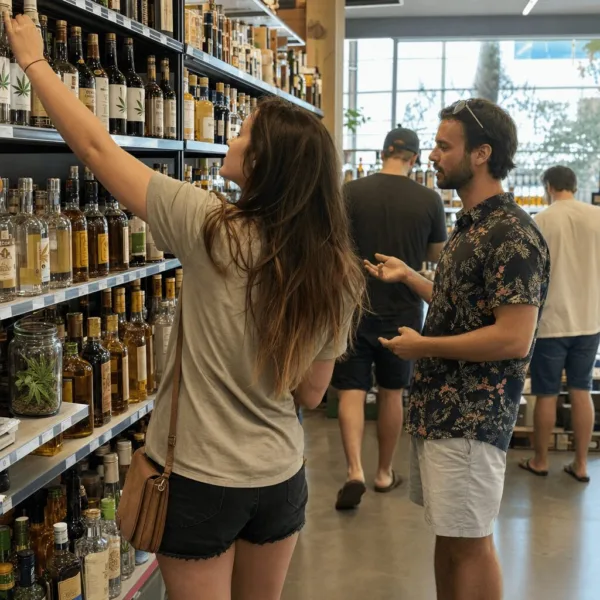


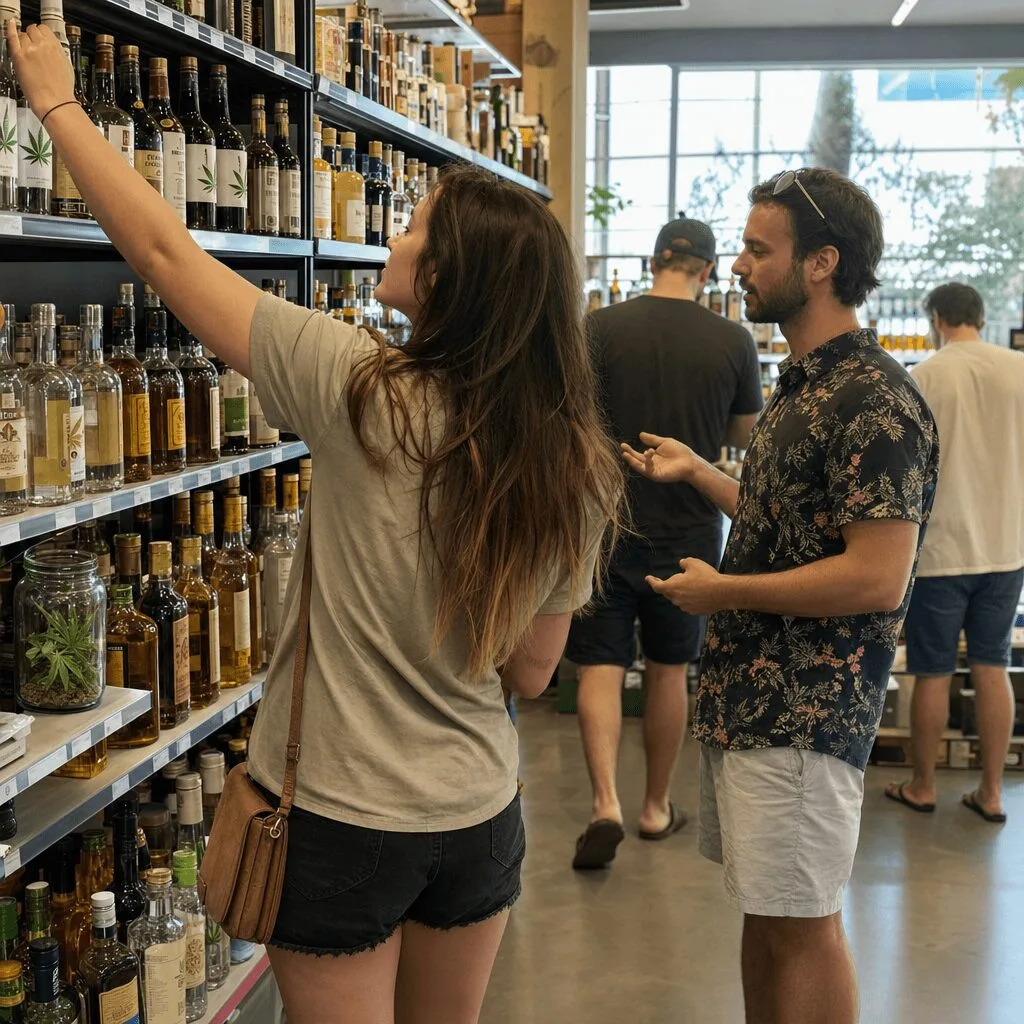
Big changes are shaking up the beverage world right now, and it’s all thanks to the rapid emergence of hemp alcohol-style distribution. As hemp-infused drinks enter licensed retail spaces side-by-side with traditional spirits, regulators and entrepreneurs are hustling to define fair play, taxation, and safe access. With states racing to clarify rules and the federal government inching toward reform, this evolution matters to industry veterans, casual consumers, and everyone in between. In this guide, we’ll break down what’s driving this movement, the latest regulatory milestones, and what to expect in the coming months.
The Landscape: Shifting Laws, Growing Consumer Demand
The cannabis beverage sector is heating up fast. Thanks to the 2018 Farm Bill, hemp-derived cannabinoids, like Delta-8 THC and CBD, can find their way into beverages, as long as they’re sourced from compliant hemp. But the real shake-up is in how these drinks are distributed. Instead of living in regulatory limbo, hemp drinks are now asking for a seat at the same table as beer, wine, and spirits. According to a recent feature from Cannabis Business Times, consumer demand for normalized access to THC-infused beverages is pushing lawmakers to rethink old-school rules. For insights on how legislators and state agencies respond to consumer complaints—especially in markets like Michigan—see this recent industry update. Meanwhile, social acceptance is booming. A Pew Research poll shows that over 88% of Americans now support some form of cannabis legalization. At a market level, beverage companies see hemp alcohol-style distribution as the golden ticket. This route opens doors for brands to reach wider audiences, take advantage of existing distribution networks, and tap into established retailers with serious foot traffic.
Key Developments: From Uncertainty to Regulation
The real game changer came when states like Minnesota and Texas began allowing retail stores to sell hemp-derived THC drinks next to alcohol. According to Brewbound’s latest coverage, a recent hemp bill aims to standardize how these beverages are taxed and distributed, using alcohol regulations as a blueprint. If you’re following legal reforms, the new wave of US hemp industry regulations could shape the future nationwide; for a deeper dive, check this comprehensive look at pending legislation. Companies like Cantrip and Levia have already secured shelf space in major liquor chains, blending in with the vodka and hard seltzers you already know. Legally, states are moving quickly to define THC limits per serving, mandatory packaging safeguards, and age-gated sales for all hemp beverages. Minnesota’s legislation, for instance, mandates a strict milligram cap per can and clear labeling requirements. This approach reflects growing pressure for responsible oversight, as the lines between cannabis and spirits blur further. At the federal level, the Alcohol and Tobacco Tax and Trade Bureau (TTB) is starting to catch up, signaling possible future oversight for hemp alcohol-style distribution. Meanwhile, federal reform efforts (currently stewing in Congress according to the latest on the Senate cannabis push) could further transform how these beverages are regulated and taxed over the next couple of years.
Expert Analysis & Insights on Hemp Alcohol-Style Distribution
Let’s be honest, it’s not just legislators who care about this trend. Industry insiders say hemp alcohol-style distribution is leveling the playing field, finally giving cannabis drinks a pathway to mainstream acceptance. According to Green Market Report, this model isn’t just good for business; it sets crucial safety standards and helps reduce the stigma surrounding cannabis beverages. For those interested in how bankruptcy or regulatory shake-ups influence the market, see the analysis on shifting industry dynamics. As Leaf Institute analyst Dana Peretti explains, “Alcohol-style distribution for hemp products is a win-win for everyone. It provides clarity for regulators, security for consumers, and much-needed legitimacy for brands.” There are still challenges; not all states agree on the milligram cap, and the patchwork of local rules makes national expansion tricky. But experts agree this distribution model will likely set the tone for broader cannabis beverage regulation as federal law evolves.
Looking Ahead: What’s Next for Hemp Alcohol-Style Distribution?
The future’s looking bright for hemp alcohol-style distribution in 2024 and beyond. As more states recognize the benefits—safer products, better tax revenue, and mature retail channels—expect to see these beverages side-by-side with high-end spirits at your favorite neighborhood bottle shop. According to MJBizDaily’s recent analysis, consumer trends and smart regulation are driving record growth for cannabis drinks and building long-term momentum for the industry.
With national legalization inching closer, hemp alcohol-style distribution may soon become the standard, not the exception. That means a safer, regulated, and socially accepted cannabis beverage market is on the horizon—cheers to that!
Originally reported by: brewbound.com