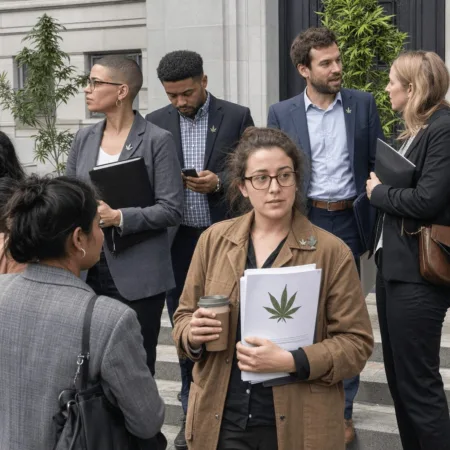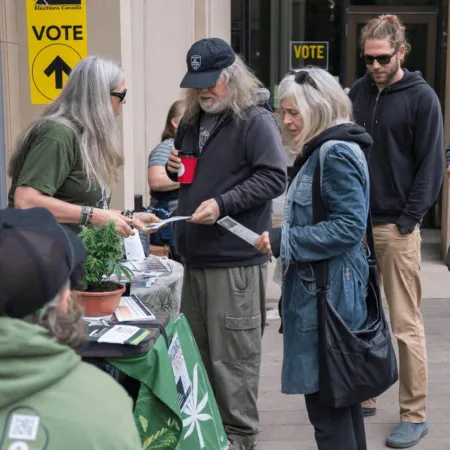
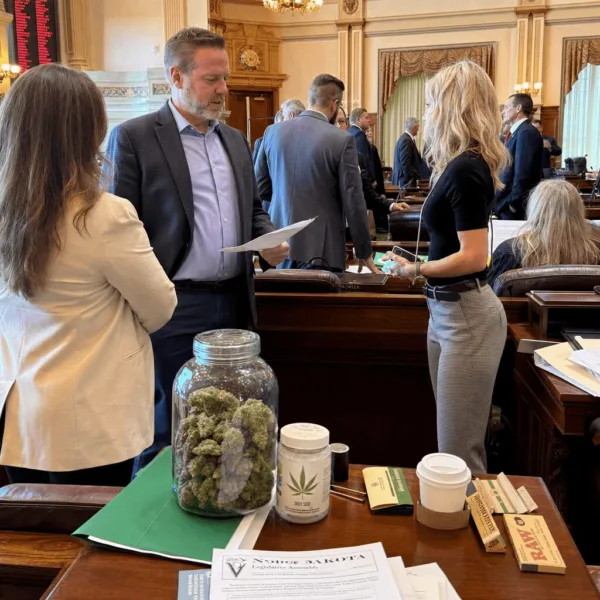


Hemp THC Legislation Congress: What Lawmakers Are Debating Now
The national conversation around hemp and THC is reaching a fever pitch—and trust me, if you thought Congress only argued about the usual suspects, think again. As 2024 unfolds, “hemp THC legislation Congress” isn’t just a trending keyword; it’s a central debate shaping policy, economics, and culture. This issue is massive for producers, retailers, and consumers—whether you’re pro-cannabis, hemp-curious, or running a compliant business. Let’s break down what’s happening, why it matters, and what insiders in the cannabis space are really saying.
How We Got Here: The Background on Hemp THC Legislation Congress
The roots of hemp THC legislation in Congress tracks back to the 2018 Farm Bill, which famously legalized hemp with less than 0.3% delta-9 THC by dry weight. Overnight, markets boomed for CBD and new hemp-derived cannabinoids. But as innovation surged, products challenging the intended regulatory boundaries, like delta-8 and THC-O, created a headache for lawmakers and enforcement agencies. The U.S. Food and Drug Administration (FDA) and the DEA have spent years untangling gaps between state freedoms, consumer demand, and federal law. For example, the ongoing debate within federal agencies over cannabis scheduling has contributed to the shifting landscape. In 2024, the hemp THC legislation Congress debate is focused on finding balance: consumer safety, industry transparency, and revenue, all with an eye on America’s evolving cannabis views.
The Latest Moves: Key Developments & Hot Issues Shaping the Debate
In 2024, Congress is once again in the cannabis hot seat with bipartisan efforts to create clear, enforceable laws for hemp THC products. According to MJBizDaily, a coalition of lawmakers dropped a bill aimed at saving the U.S. hemp industry by explicitly allowing certain hemp-derived cannabinoids under strict federal rules, and yes, taxing them. For many, this move echoes similar decisions faced by other states, such as when Tennessee imposed sudden hemp bans, leaving local farmers to grapple with new regulations. This legislation would give the IRS authority to collect a federal excise tax similar to state cannabis taxes, aiming to boost oversight and give the federal government a slice of the action. The bill specifically addresses the legal gray area of THC isomers like delta-8, delta-10, and THC-O, all currently thriving in a mostly unregulated space. Supporters argue that this approach protects American farmers and keeps products safer by shifting sales from the shadows to the mainstream. Major industry names, such as the U.S. Hemp Roundtable, have thrown in support, with some reservations about tax structure and state-federal overlaps still lingering. As of this writing, the bill’s fate hangs on committee tables, with amendments likely as stakeholder feedback rolls in, and as Congress faces similar high-stakes decisions regarding hemp-derived THC bans impacting the entire industry.
Expert Insights: What This Means for the Cannabis Industry
Let’s get real, hemp THC legislation Congress action could be a gamechanger or a regulatory rollercoaster. Industry leaders warn that diverse state policies have led to a patchwork market, confusing for everyone. Forbes recently noted, “This is Congress trying to catch up to a market that’s sprinting ahead,” quoting John Dvorak, a renowned cannabis industry analyst. He continued, “Comprehensive legislation may finally let regulators prioritize consumer safety while giving hemp business legitimate room to innovate.” If passed, experts believe this bill could streamline compliance, reduce illicit sales, and boost consumer confidence—especially if coordinated with evolving state frameworks. The cannabis community is hopeful but realistic: success hinges on Congress understanding the nuanced science behind cannabinoids, not just on politics. Recent comments from leaders at the National Organization for the Reform of Marijuana Laws (NORML) emphasize that a strong federal framework is overdue and would empower farmers, manufacturers, and responsible retailers. Issues of how enforcement can shift local debates have also come into focus, as seen when drug task force operations drive renewed public attention to cannabis policy and enforcement. As always, social equity and legacy growers must remain central to national conversations.
Future Outlook: Where Do We Go from Here?
As “hemp THC legislation Congress” takes center stage, the cannabis community is cautiously optimistic. 2024 could be the tipping point for modernized hemp THC regulation. Recent analyses from Hemp Industry Daily or other credible trade publications argue the U.S. stands to benefit from robust federal rules—unlocking economic opportunity while promoting public health. Stakeholders need to keep pressure on lawmakers so the ultimate law balances market innovation, consumer safeguards, and tax fairness. If other countries’ experiences are any indicator, proper regulation will help normalize hemp-derived cannabinoids without killing off small businesses. As public perceptions around cannabis continue to chill out, expect even more cross-aisle collaboration and business growth nationwide. One thing’s for certain: the “hemp THC legislation Congress” story is far from over, and you’ll want to keep it on your radar.
Originally reported by: mjbizdaily.com