

Psychedelics Brain Imaging: Unlocking Ancient Secrets
The intersection of psychedelics, cannabis, and cutting-edge brain imaging is shaking up how we understand the mind in 2024. Psychedelics brain imaging isn’t just a headline—it’s driving new scientific frontiers, challenging stigma, and opening fresh debates within the cannabis community. Recent news on advanced brain imaging combined with ancient plant research has industry insiders buzzing, researchers excited, and policymakers rethinking old narratives. So, let’s roll up and dig into what’s changing, why it matters, and what comes next in this psychedelics brain imaging revolution.
Legal, Cultural, and Industry Forces Shaping Psychedelics Brain Imaging
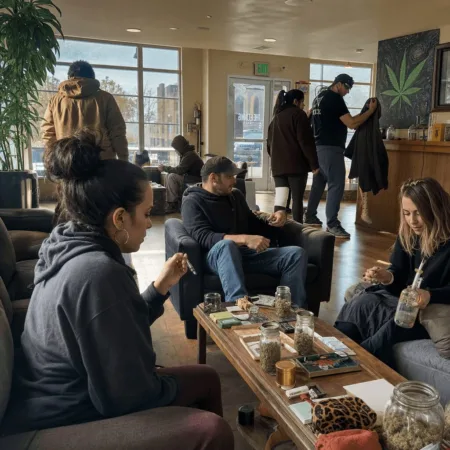
Stepping into 2024, both psychedelics and cannabis are taking a big seat at the science table. Major regulatory shifts, like the US FDA’s ongoing psychedelic research guidance (FDA Statement), have made it easier for scientists to analyze how mind-altering compounds affect the brain. Meanwhile, destigmatization is occurring alongside tech breakthroughs, allowing more research facilities to combine psychedelics brain imaging with cannabis studies. On the cultural side, mainstream publications and advocacy campaigns are reframing psychedelics and cannabis as potential tools for wellness, not just throwbacks to the 1960s. Community loyalty is shifting in unique corners of the country, as seen with the evolving role of public consumption spaces—explored further in recent updates on the Denver Marijuana Lounge Closure. The social appetite for brain research is strong, as seen in record funding for imaging studies by top universities and medical nonprofits. These shifts are rewriting the rules and fueling the psychedelics brain imaging movement.
Breaking News: Ancient Psychedelics Meet Modern Brain Imaging
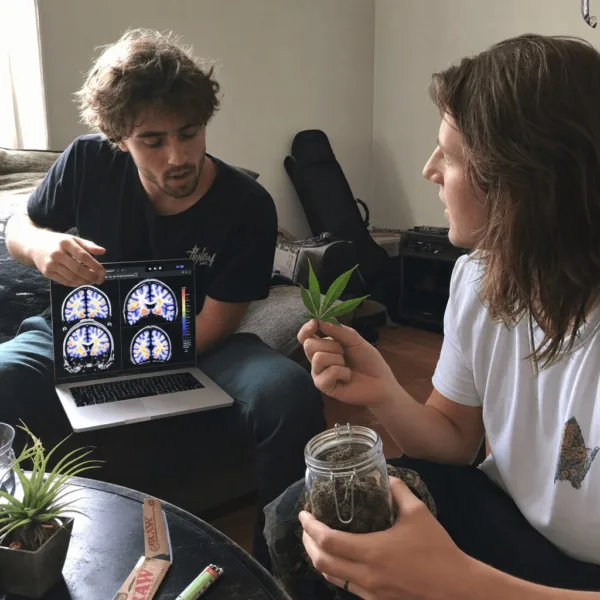
Here’s the scoop: Recent breakthroughs have seen imaging specialists using fMRI and other high-tech scans to observe the effects of compounds like psilocybin and cannabis on live human brains. According to MedicalXpress (2024), researchers are now investigating Native ritual plant medicines and discovering that these ancient psychedelics activate brain pathways that overlap with cannabis-driven effects—a timely topic given the ongoing changes and debates, similar to the uncertainty addressed in Oklahoma’s latest edible rules. The fascinating bit? Psychedelics brain imaging isn’t just showing trippy visuals, it’s mapping key regions like the prefrontal cortex and amygdala, helping scientists decode mood, memory, and even creativity changes. Major players like Johns Hopkins and NYU are ramping up psychedelic studies, while state-based cannabis legalization is opening new sample pools for crossover research. As a result, legal and scientific boundaries are shifting, sometimes faster than rolling a well-packed joint.
Expert Takes: Why Psychedelics Brain Imaging Matters for Cannabis Science
Industry veterans see these developments as a double win. On one hand, psychedelics brain imaging is helping to demystify how cannabis interacts with serotonin and dopamine systems—fueling new product innovation and wellness strategies. As Dr. Ethan Russo, founder of CReDO Science, shares in Health Europa: “We’re uncovering pathways that could tailor mental health treatments and help destigmatize both cannabis and psychedelics.” The deeper researchers dive into live brain data, the clearer the link between traditional healing and modern medicine becomes. Some experts warn about overhyping, but the balance of optimism and realism in psychedelics brain imaging research is ushering in smarter therapies, policy reform, and a bigger role for cannabis in brain health solutions. For broader context on rescheduling debates and the impact on both policy and perception, check out the ongoing discussions around marijuana rescheduling.
Looking Ahead: The Future of Psychedelics Brain Imaging and Cannabis
So where does this all lead? The fusion of psychedelics brain imaging with cannabis research is lighting up new opportunities for science, policy, and industry. Analysts expect a surge in evidence-driven treatments, and even traditional skeptics are taking a second look at plant-based therapies. As noted by Forbes Business Council, mainstream acceptance of cannabis goes hand-in-hand with psychedelic breakthroughs. The movement’s only getting stronger; with each new imaging scan, we’re closer to unlocking safer, smarter, and more personal brain wellness solutions. Here’s to an inclusive, forward-thinking cannabis industry that’s not afraid to nerd out—and keep it real—about the science behind the high.
Originally reported by: medicalxpress.com