

Oklahoma cannabis edibles rules: What’s confusing operators?
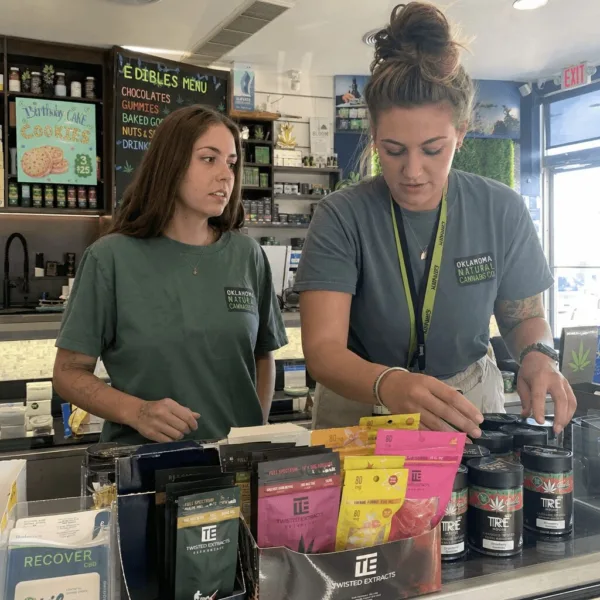
If you’re even remotely tapped into the Oklahoma cannabis scene, you know edible regulations have everyone talking. Whether you’re a patient, processor, or dispensary staffer, these evolving rules shape everything, from what’s on shelves to how products get labeled and sold. With Oklahoma cannabis edibles rules in flux for 2024, confusion around child-safe packaging and compliance is peaking. Let’s break down what’s happening, why it matters today, and how both businesses and consumers are adapting across the Sooner State.
Legal Landscape: How Oklahoma Cannabis Edibles Rules Came to Be
Oklahoma’s booming medical cannabis market, launched by voter approval in 2018, has created a uniquely open and competitive environment. Since then, more than 12,000 businesses have jumped in, according to NORML. This environment resembles other rapid-growth cannabis markets, where both opportunity and controversy often emerge, similar to issues seen in high-profile rescheduling debates, as illustrated by recent controversy surrounding cannabis rescheduling hearings. With this explosion, regulators scrambled to address safety and public health, especially around edibles, given their appeal to young people. In recent years, legislators and the Oklahoma Medical Marijuana Authority (OMMA) have rolled out tighter packaging, labeling, and potency restrictions. Many of these rules specifically focus on making edible cannabis products less appealing and less accessible to kids. Enforcement, however, is tricky. With the industry changing rapidly and many operators new to cannabis manufacturing, Oklahoma cannabis edibles rules often feel like a patchwork of requirements that’s tough to keep up with. Advocacy groups point to this complexity as a hurdle to both compliance and public trust.
Regulatory Changes & Operator Confusion: What’s New and What’s Not Working?
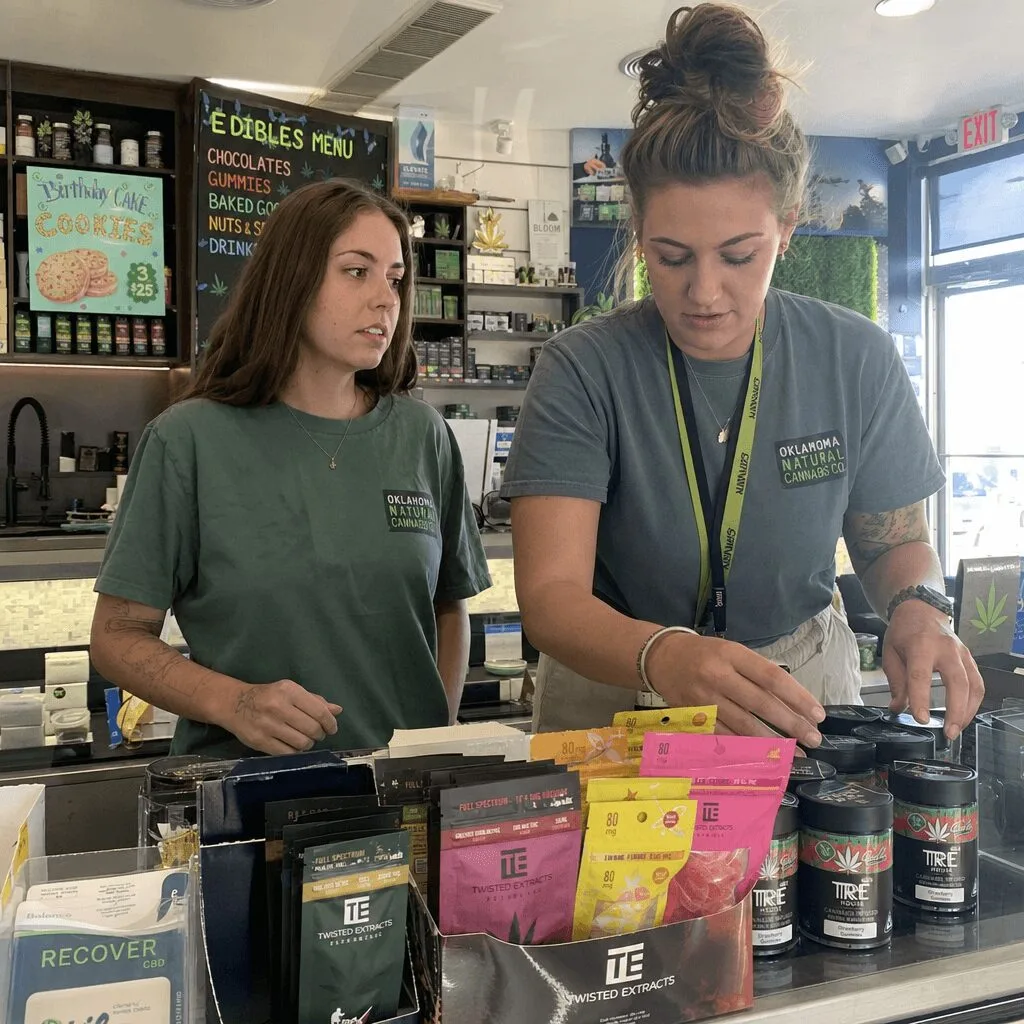
In early 2024, OMMA began enforcing updated child-resistant packaging standards for all THC-infused edibles. According to reporting by MJBizDaily, the new rules specify a series of technical benchmarks for packaging, including requirements for resealable closures, opacity, and clear THC warning labels. But here’s where things get fuzzy. Dispensary owners and producers report wildly different interpretations of the law, some believe they’re already compliant, while others say the guidelines are so vague, even seasoned lawyers can’t crack them. Within this regulatory confusion, shops have experienced supply fluctuations and risk-averse behavior, which mirrors stories of retailers making tough choices as seen in the response of local dispensaries after high-profile THC-related incidents. Several prominent Oklahoma operators have voiced concerns that OMMA’s guidance lacks clarity, particularly regarding product shape, ‘attractive’ colors, and child-resistant features that differ from federal consumer standards. Some shops have pulled popular gummy brands and chocolates from shelves out of fear of hefty penalties, causing major supply fluctuations for patients. Others have hired third-party compliance consultants just to keep up. Calls have grown for a state-wide workshop with OMMA to clarify the gray areas and reduce day-to-day risk for retailers and processors alike.
Expert Perspectives: Breaking Down What’s at Stake
The friction around Oklahoma cannabis edibles rules isn’t just bureaucratic hassle, it signals growing pains in a maturing marketplace. As Leafly industry analysts argue, “Oklahoma’s cannabis industry is a pioneer in open access, but such rapid market growth requires adaptable, well-communicated regulation.” Striking the right balance between protecting children and preserving patient choice is tough in any state, but especially where small businesses dominate. Concerns around edibles and youth safety have sparked public debate, bringing national attention to cases where cannabis products have led to increased emergency room visits for children, as explored in the wider discussion of cannabis drinks and child safety risks. According to cannabis compliance consultant Brianna Montrose, “We see a lot of creative, homegrown brands in Oklahoma, and standardized, evolving rules can put their whole model at risk if not properly explained.” Her advice? “Regulators and operators need candid, ongoing conversations, otherwise you get paralyzing uncertainty and lost revenue for everyone.” The consensus is that Oklahoma cannabis edibles rules, while well-intentioned, need sharper practical guidance, especially as federal edibles regulations still lag state-level realities.
The Road Ahead: Hope, Reform & Opportunity
Despite confusion, most industry veterans see Oklahoma cannabis edibles rules as a rite of passage—a sure sign the market is maturing and being taken seriously by lawmakers. As recent data from Benzinga shows, even amid regulatory shakeups, Oklahoma’s medical cannabis sales remain among the top in the US. With rule refinements and increased operator feedback, the regulatory picture is expected to settle into a more business- and patient-friendly framework by late 2024. If Oklahoma can learn from other states’ rollouts—combining clear child safety with transparent, accessible guidance—it will continue to model grassroots cannabis success. One thing’s certain: in the land of red dirt and green buds, progress isn’t just possible—it’s inevitable.
Originally reported by: mjbizdaily.com