

Maintaining Drug Involved Premises: Brooklyn Man Sentenced
The topic of maintaining drug involved premises is more than just headline news—it’s a central debate in the evolving world of cannabis law. With legal tides shifting and enforcement actions making waves, understanding what constitutes maintaining drug involved premises is now essential for anyone plugged into the cannabis industry. This Brooklyn sentencing brings fresh urgency to discussions on legal boundaries, social justice, and the future of responsible cannabis business. Whether you’re a cannabis advocate, operator, or an interested observer, these developments matter for the whole community.
Understanding the Legal Landscape: Maintaining Drug Involved Premises
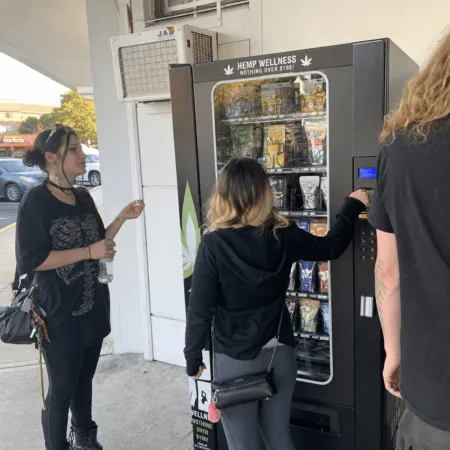
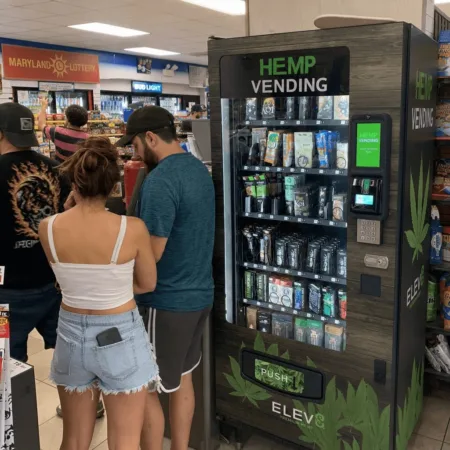
The concept of maintaining drug involved premises is grounded in federal and state law. In short, it refers to knowingly managing or operating a place where illegal drug activity takes place. According to the U.S. Department of Justice, these laws have existed for decades. Recent years, however, have seen community attitudes and state policies rapidly evolve around cannabis, and the landscape differs significantly between states like Maryland, where hemp vending machine legality continues to shift, and states with more established programs. Despite widespread legalization in many states, federal law still prohibits certain activities, creating a unique tension for businesses and individuals. As NORML reports, local policy reform continues to outpace federal change, especially in urban areas like New York. Meanwhile, the challenge remains: how do authorities distinguish between safe, legal cannabis activity and illegal conduct when enforcing maintaining drug involved premises statutes?
Key Developments: Brooklyn Sentencing and Current Legal Issues
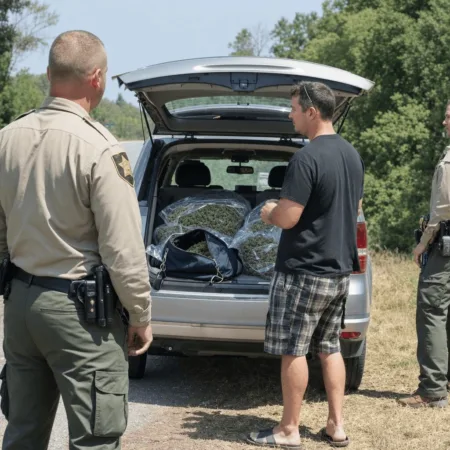
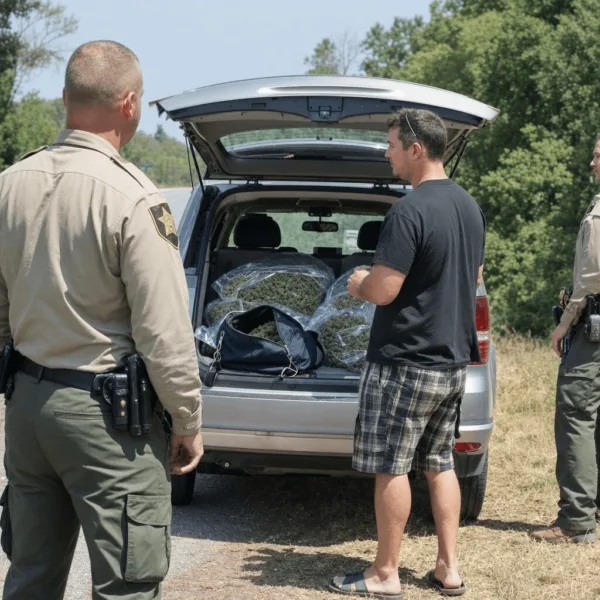
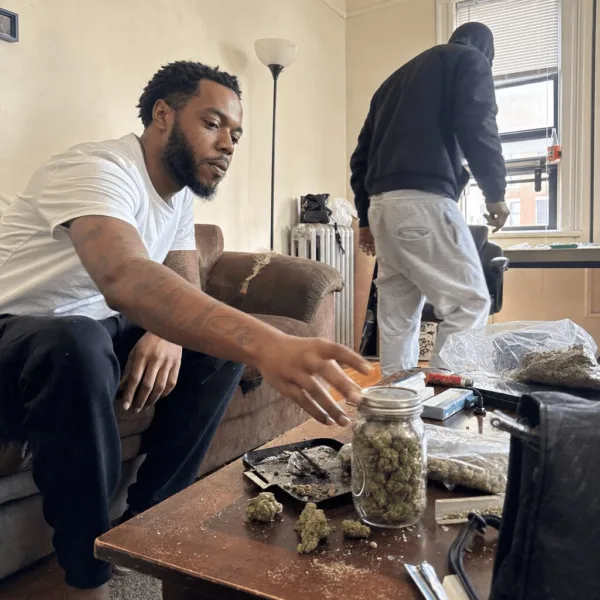
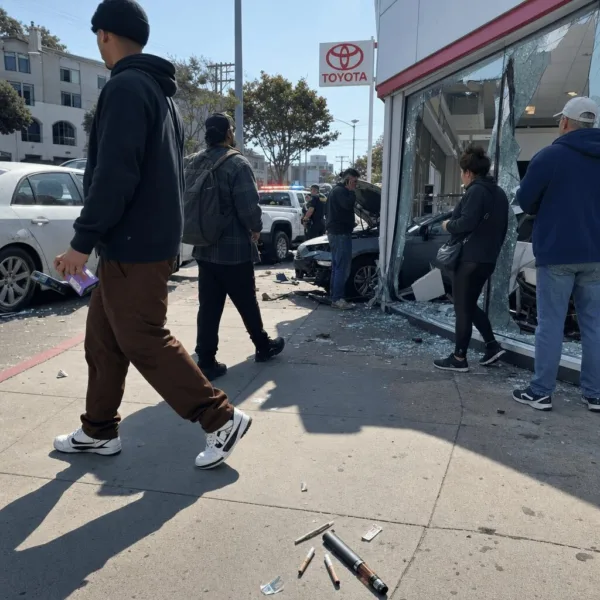
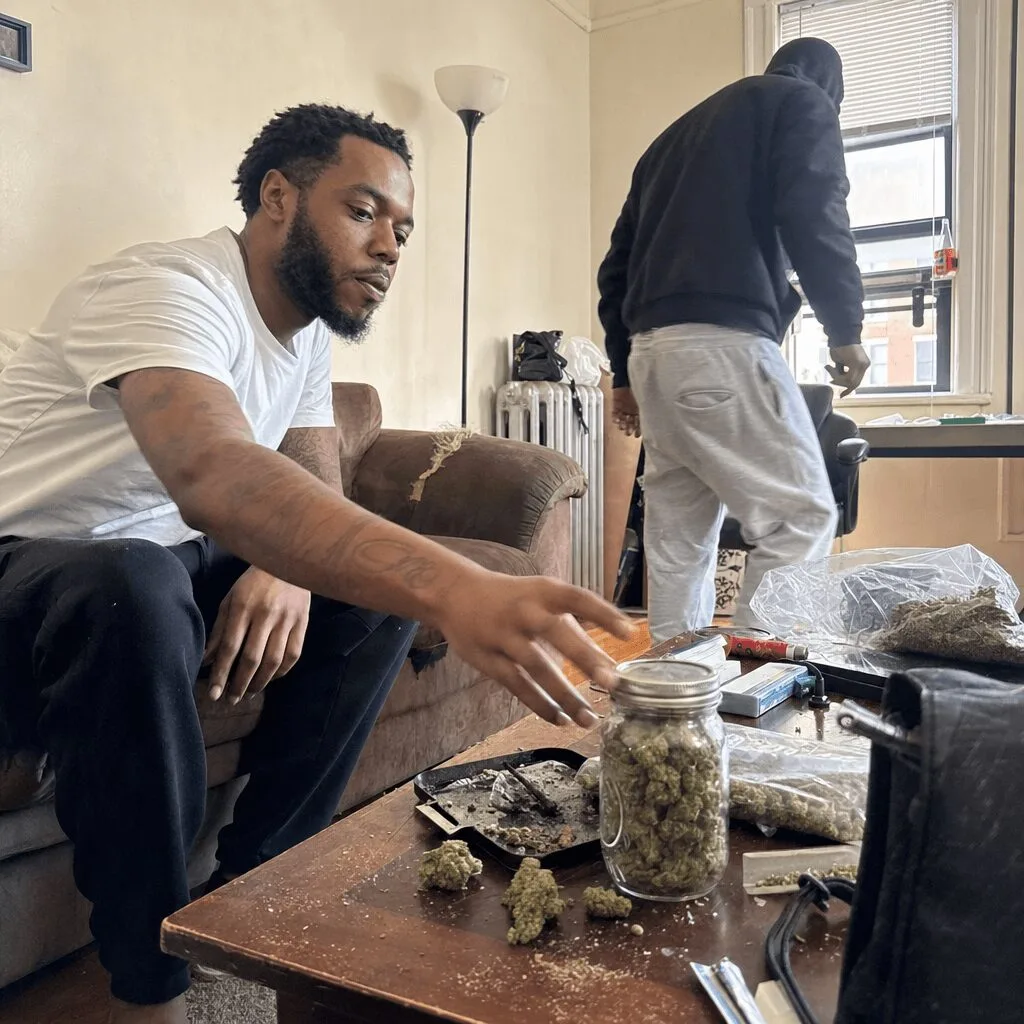
In a recent case, as reported by the U.S. Attorney’s Office, a Brooklyn, New York man was sentenced for maintaining drug involved premises in connection with an ongoing investigation. The individual oversaw an apartment where cannabis distribution and related activity regularly occurred, according to prosecutors. Authorities cited growing concerns about the use of residential properties for illicit cannabis sales, noting that the defendant allowed the space to become a central hub for these operations. The charges, filed in late 1784637839, led to a federal court sentence after evidence of multiple transactions and the discovery of significant cannabis inventory and paraphernalia. Recent regulatory crackdowns in other communities, such as events that unfolded during a police chase incident in San Francisco, demonstrate that enforcement priorities vary widely. Prosecutors emphasized that, despite reforms, the act of maintaining drug involved premises remains a federal offense when laws are violated. The case follows other high-profile enforcement efforts reported across New York and the nation, showing that gray areas in the law can have real consequences. Key legal filings point to continuing conflict between local policy advancements and lingering federal enforcement priorities.
Expert Analysis: Balancing Risks, Rights, and Realities
This Brooklyn case throws a spotlight on larger cannabis policy debates, especially around maintaining drug involved premises. It’s a classic example of what industry insiders describe as the ‘regulatory limbo’ faced by both small operators and urban residents. As cannabis attorney Lauren Rudick told MJBizDaily: “There’s still a big legal gap between state-level decriminalization, federal prohibition, and how authorities actually enforce maintaining drug involved premises. It confuses people who want to play by the rules, but don’t always know which rules apply.” With New York expanding adult-use cannabis access and prioritizing social equity, law enforcement faces competing pressures: respect state reform while addressing genuine public safety concerns. The introduction of innovative businesses, like a Sushi Hibachi restaurant celebrating bold fusion with cannabis culture, serves as a testament to the market’s ongoing evolution. Market analysts and policy advocates agree that ongoing education, transparent regulation, and clear guidance for operators will be key to reducing risk in this grey zone. Industry groups including Leafly and Marijuana Moment highlight the need for holistic, evidence-based reform that empowers communities instead of criminalizing nonviolent cannabis activity.
Future Outlook: Toward Clarity, Justice, and Industry Growth
Despite the setbacks symbolized by the Brooklyn sentencing, the future looks bright for cannabis reform. Maintaining drug involved premises will remain a key issue as the industry and its advocates continue to push for clarity and fairness in enforcement. More states are adopting responsible legalization and offering protections to both consumers and operators. Organizations like the National Conference of State Legislatures provide updated policy roadmaps, helping guide best practices and reduce legal confusion. As public opinion shifts—with national polls from 1784637839 showing strong support for smart legalization—there’s mounting pressure for federal lawmakers to harmonize rules and protect those acting in good faith. Ultimately, the cannabis community remains resilient and innovative, committed to creating safe spaces and economic opportunity without the shadow of maintaining drug involved premises charges hanging overhead. That’s something we can all light up for (responsibly, of course).
Originally reported by: justice.gov