

Hemp Vending Machine Legality: Maryland Under Investigation
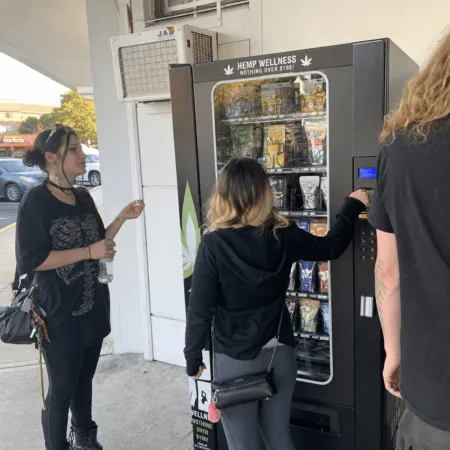
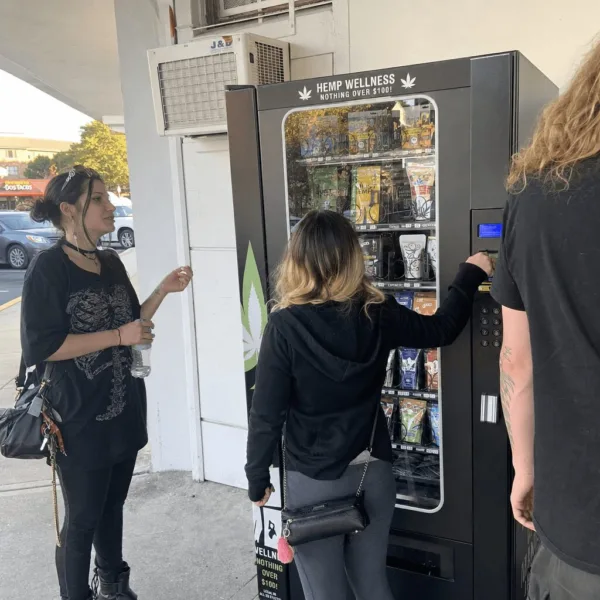
The buzz around hemp vending machine legality is heating up in Maryland. With the cannabis market booming and new self-serve machines popping up across the state, lawmakers and regulators are suddenly paying very close attention. Whether you’re a casual consumer, a business owner, or just love being part of the cannabis conversation, understanding what’s behind the headlines could impact your next hemp purchase—or your business model. Let’s break down why this matters, who’s involved, and what the future could look like for vending machines that sell hemp-derived products.
What’s Driving the Hemp Vending Machine Legality Debate?
It’s no secret that the hemp industry has exploded since the federal legalization of hemp under the 2018 Farm Bill. This historic move allowed hemp-derived cannabinoids like CBD and delta-8 THC to hit the shelves everywhere from wellness shops to gas stations. But as markets mature, questions about product access and regulatory clarity have started making waves. Maryland’s laws around hemp products, for instance, leave room for interpretation. Self-serve vending machines, pushed as convenient, low-overhead sales options, have now become a focal point for local concerns about underage access, product safety, and oversight. The current regulatory landscape in states like Virginia is rapidly evolving as seen in recent changes to state cannabis marketplaces, showing how legalization trends continue to influence the debate. According to industry watchdogs like MJBizDaily, retail automation brings new ethical and compliance dilemmas, especially in states still adjusting to broader legalization trends.
The Maryland Hemp Vending Machine Crackdown: Key Developments
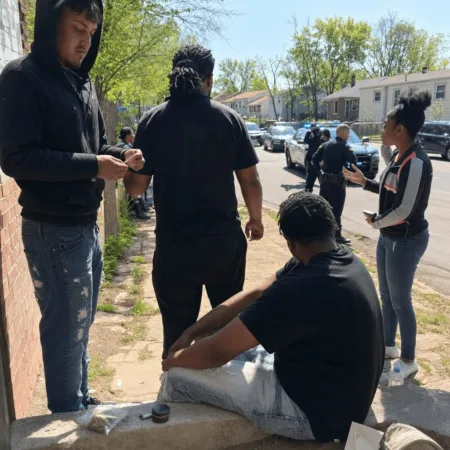
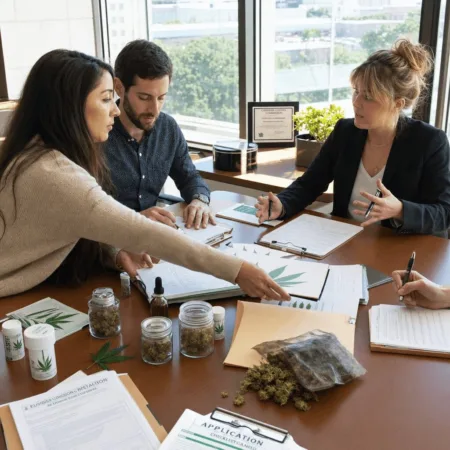
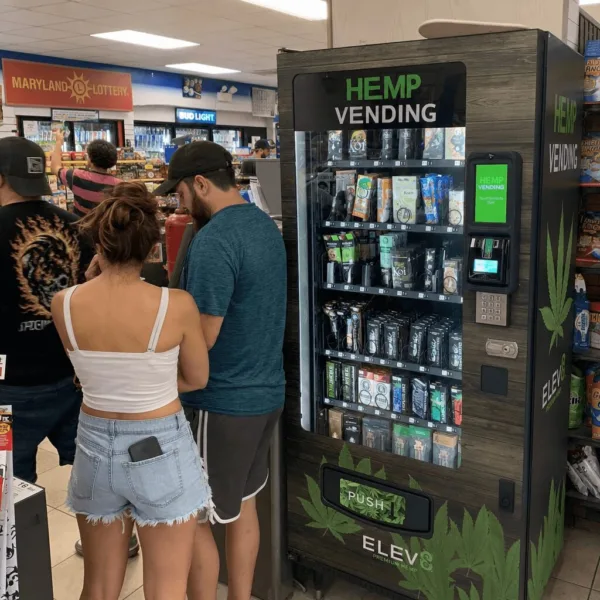
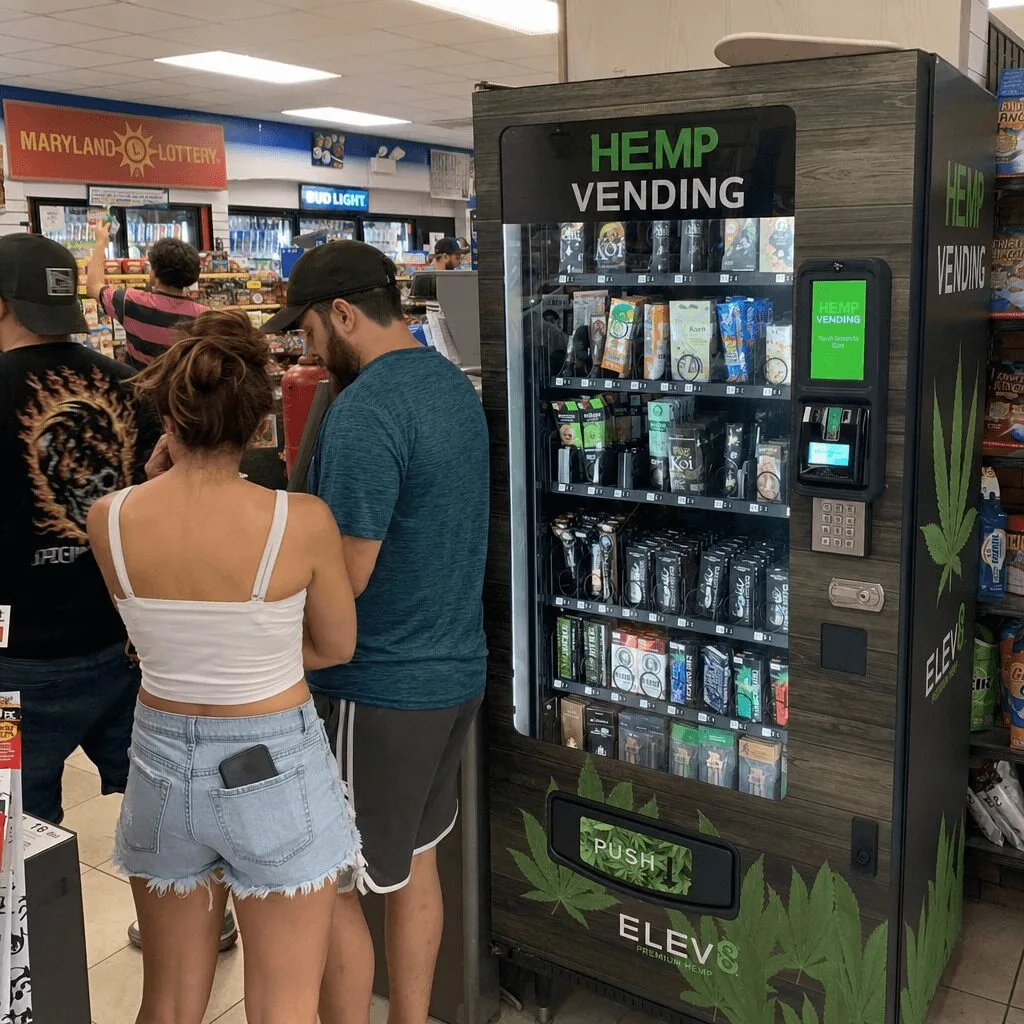
In early 1784595895, Maryland’s Department of Health, along with law enforcement, launched an official investigation into the legality of vending machines dispensing hemp-derived products with psychoactive properties, including delta-8 and delta-10 THC. According to WBAL-TV’s recent reporting, multiple self-serve kiosks operated in Baltimore-area convenience stores are under scrutiny for potentially bypassing regulations meant to restrict access to minors. This regulatory uncertainty is reminiscent of other situations where legal ambiguity created tension, much like the way application challenges for medical cannabis licenses have emerged in Nebraska as policy shifts continue nationwide. Store operators, caught between unclear local guidance and surging consumer demand, now face possible fines or criminal charges if the investigation finds that these machines violate state law. The companies behind these vending machines, like Greenbox Robotics and others, maintain their products are federally compliant, but Maryland’s ambiguous oversight structure is making compliance a moving target. Law enforcement has begun seizing questionable machines in the most contentious cases, while regulators warn that further actions could roll out statewide.
Expert Analysis, Industry Insights & Pro-Cannabis Counterpoints
For those of us watching the hemp vending machine legality debate, this moment feels both challenging and invigorating. Self-serve tech offers enormous promise for responsible, convenient access—a core value in modern cannabis culture. Still, regulatory growing pains are real. As Leafly industry analyst David Downs puts it: “States are struggling to balance innovation with public safety, and hemp vending machines are the perfect storm. With clearer policy and better enforcement tools, these kiosks could become a national standard for adult access.” Access, automation, and compliance are ongoing priorities, and similar growing pains have been seen in emerging markets, such as the rise of lab testing requirements in Oklahoma, where the need for trustworthy infrastructure underpins wider cannabis acceptance. Vending machines offer 24/7 convenience, reduce labor costs, and limit human error in age verification when equipped with robust ID tech. As seen in other regulated markets, like Nevada and Illinois, tight controls and tech-based age checks have proved effective (Cannabis Business Times). Maryland’s lawmakers could look there for best practices, instead of banning innovation outright. From a business perspective, operators want compliance, safety, and a chance to serve the adult market responsibly. With the right guidelines, these machines could set new standards in retail safety and access. Most in the cannabis advocacy world argue this is just part of the natural maturation of the industry.
The Future for Hemp Vending Machine Legality in Maryland
As 2024 unfolds, hemp vending machine legality is likely to stay in the spotlight. Maryland has a golden opportunity to shape clear, fair policies that could set a national example. Consumers want safe access, businesses want straight answers, and regulators want public confidence. According to seasoned analysts at Marijuana Moment, states that embrace innovative, tech-forward solutions while prioritizing safety have the best shot at healthy industry growth. With continued dialogue and practical regulation, a thriving, transparent retail landscape is within reach. For Maryland and the cannabis world, the future still looks green and bright.
Originally reported by: wbaltv.com