

Urban Design Manteca: Bold Moves or Short-Sighted Planning?
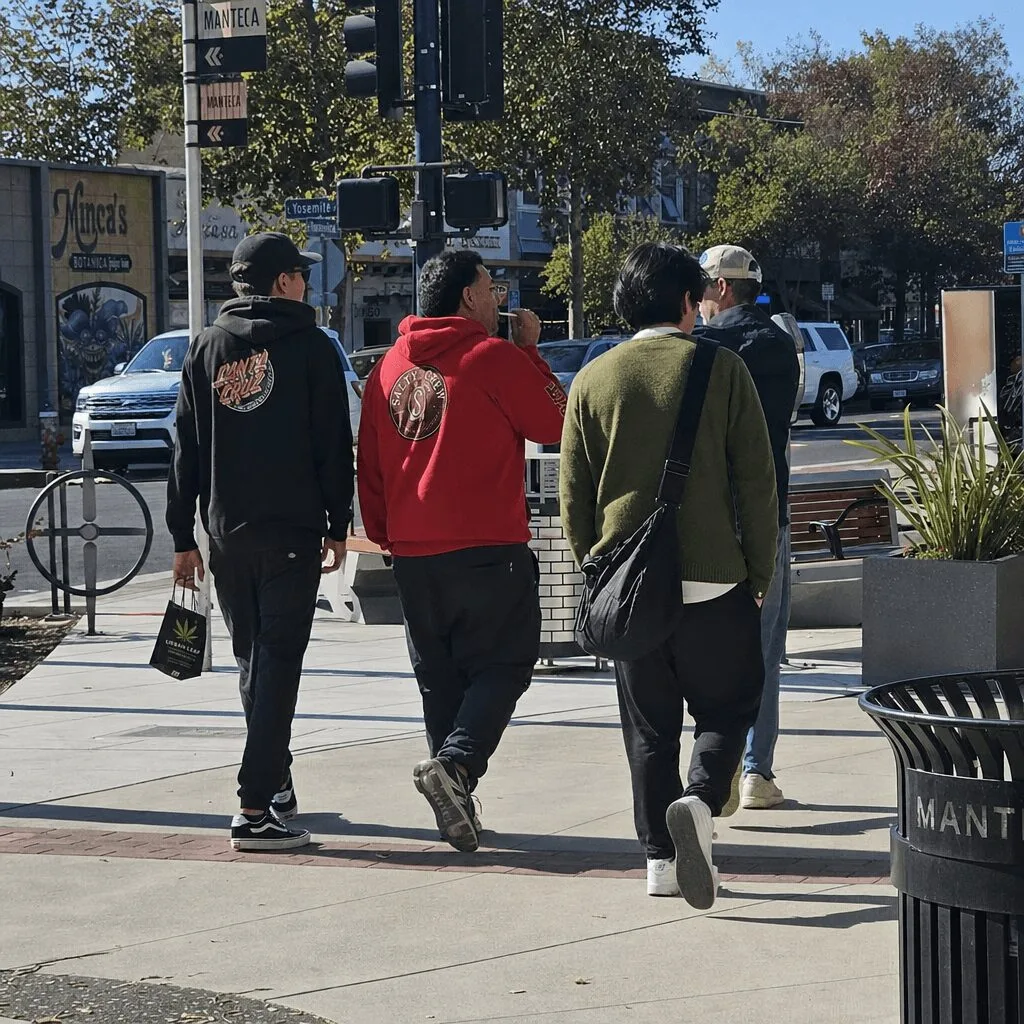
Everyone’s buzzing about urban design in Manteca, and for good reason. This town’s making big, visible shifts as it tries to modernize. You’ve probably noticed it walking through downtown—the new benches, the planters, and that feeling that things are changing, even if not everyone’s on board. Urban design Manteca is a hot topic right now because these design decisions affect more than just how things look—they shape how locals live, work, and play. For anyone tuned into both cannabis culture and city development, it’s a front-row seat to what happens when fast change meets community reality. Let’s take a walk through the facts, debate, and what it all might mean for folks who care about urban design, quality of life, and social change in our city.
The Regulatory, Cultural, and Market DNA Behind Urban Design Manteca
To really get what’s happening with urban design Manteca, you’ve got to know the rules, history, and atmospheres at play. California, including cities like Manteca, has been on a digital and cultural upswing since adult-use cannabis legalization in 2016 (CA Bureau of Cannabis Control), and recent events like the rise of cannabis-related child endangerment debates keep shaping both attitudes and enforcement. But built environments, including streets, parks, benches, and public places, haven’t always caught up with lifestyle realities or the patchwork of local regulations. In many communities, design decisions are also influenced by local politics. City councils balance calls for modernization—think smart benches, wider walkways, urban greening—with resident concerns about keeping that small-town vibe. For the cannabis crowd, public space matters: most can’t consume openly per state law, but they do want comfortable, accessible places to gather, walk, and live.
Urban design Manteca isn’t just curb appeal. It’s a reflection of policy and public attitudes, which can be swayed by high-profile incidents like robberies at cannabis dispensaries sparking local safety discussions. Whether residents lean libertarian, conservative, or progressive, suburban development here has sometimes felt at odds with local character. Planning commissions often cite safety concerns, social order, or city budgets as the reason for cautious rollouts of innovative design, as reported by Planetizen. Meanwhile, market forces—from retail shops to canna-boutiques—push for walkability, visibility, and welcoming streetscape features. The tension? Manteca is asked to grow up fast, without losing what folks love about it.
Key Developments, Design Moves, and Street Controversies
Here’s what set everyone talking: Over the last year, city planners in Manteca rolled out a series of bold upgrades downtown and along the main drags. New urban design Manteca elements now dot the core—modern benches, angular planters, and accent lighting that feels straight out of a Bay Area suburb. According to the Manteca Bulletin, many of these features landed quickly, as city council aimed to revitalize downtown amid retail turnover and shifting demographics (1784415034). Cases in other cities, such as probation verdicts sparking heated community conversations around drug policy and neighborhood safety, show how interconnected legal climates shape urban perceptions.
But the rollout’s left some scratching their heads. The new look clashes with classic brick façades and older public spaces. Residents voiced concerns in recent public meetings, noting a sense of disconnection between flashy furniture and the authentic character of iconic Manteca blocks. At the same time, small business owners (including those in cannabis-adjacent retail) worry about inconsistent rules and the impact on sidewalk accessibility—a concern not unlike recent pushback on punitive enforcement trends elsewhere in the cannabis landscape. The city’s latest public works agenda confirms that implementation has sometimes outpaced community input and infrastructure updates. In short, Manteca’s moving fast, but not everyone’s sure where it’s headed, or who’s steering.
Expert Analysis & Cannabis Culture’s Perspective
Let’s unpack what this means, especially for folks who live the culture. Urban design Manteca is a two-sided coin: progress meshes with nostalgia. Traditionalists argue that mismatched designs risk losing neighborhood identity, which can undercut pride and investment. But others see opportunity. As industry observer Jeremiah Short put it in Marijuana Moment: “When cities freshen up their streetscapes, they signal openness, not just to new business but to new conversations.” With retail and culture colliding, some cities—like those covered in ongoing investigations of cannabis sales and health regulations—illustrate how legal reforms and design work hand in hand.
The cannabis connection? Modern, accessible public spaces are key for equity. If you’re a patient, advocate, or just enjoy the plant, you want cities that aren’t afraid of openness—designs that reflect acceptance, not stigma. Urban design that welcomes everyone from skateboarders to seniors, as shown through stories like how legal medical cannabis access is redefining inclusion and public health abroad, sets the table for normalization and safe, spontaneous socializing. And as industry reports from Leafly (1784415034) point out, “inclusive design isn’t just good policy, it’s good business.” New retail, food spots, and legal cannabis ventures thrive in vibrant, walkable corridors.
Looking Ahead: Optimism and the Urban Design Manteca Experiment
Here’s my take: Don’t write off urban design Manteca as a failed experiment. Rapid change always ruffles feathers, especially where street life, history, and new industry overlap. But that’s how cultural evolution works. With California’s cannabis sector growing (see NORML), cities like Manteca are microcosms for the bigger debate: Do we play it safe, or do we build places that reflect who actually lives here now?
The smartest move? Keep the conversation open—and the benches comfortable. Future urban design Manteca efforts should mean more community engagement, steady upgrades, and policies that prioritize livability for all. That’s what fuels growth, innovation, and real acceptance. Urban design isn’t just about the look. It’s about who gets to call Main Street home.
Originally reported by: mantecabulletin.com