


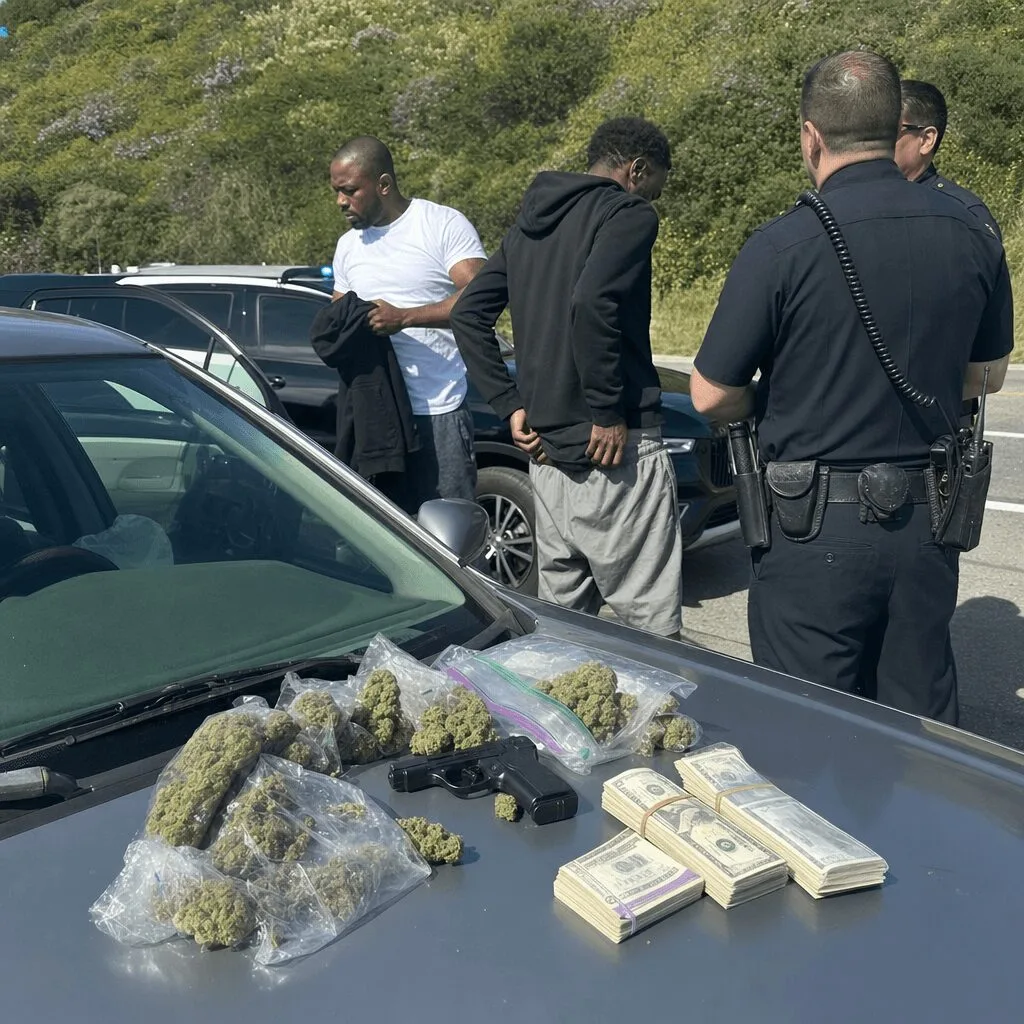
Kinston traffic stop arrests reveal drugs, guns, and cash
In the ever-changing cannabis landscape, stories like the recent Kinston traffic stop arrests are lighting up headlines and igniting vital discussions. With regulators, law enforcement, and the cannabis community frequently crossing paths, events like these put the spotlight on the delicate balance between policy, rights, and reality. From evolving legalization conversations to public perceptions, these moments challenge how society navigates shifting norms. We’ll break down what happened, why it matters for the industry, and the bigger questions raised by the Kinston traffic stop arrests.
Regulatory Landscape and Social Context: Why Stops Like These Matter
North Carolina’s cannabis laws remain among the toughest in the nation, even as neighboring states shift policy and embrace medical or recreational cannabis reforms. According to the North Carolina General Statutes, cannabis possession, especially in quantities beyond personal use, is prosecuted aggressively and can trigger significant legal consequences. Despite national advocacy efforts reported by NORML, the state hasn’t budged much on reform. Culturally, there’s a growing disconnect. Polls from groups like the Elon Poll show that a majority of North Carolinians now support some form of legalization, as is evident when compared with rapidly changing policy on the state-by-state cannabis legalization map for 2024. Yet, traffic stops continue to be a focal point for arrests involving cannabis, especially when other factors like cash or firearms are present. These arrests often raise questions about enforcement priorities, racial disparities, and how closely current laws align with public opinion.
Key Details: What Really Happened During the Kinston traffic stop arrests?
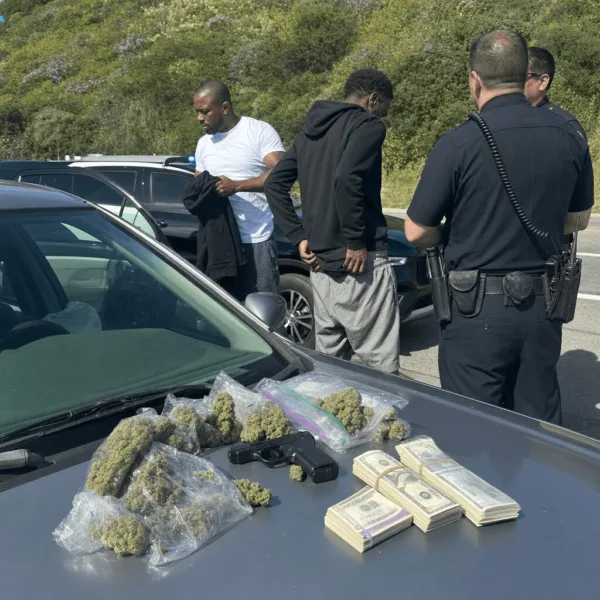
According to WCTI 12 News, on June 15, 2024, Kinston police officers conducted a routine traffic stop that quickly morphed into a high-stakes situation. Two individuals, traveling in a standard passenger vehicle, were pulled over for a minor infraction. Upon investigation, officers purportedly discovered several bags containing marijuana, loose cannabis buds scattered about, a sizable stack of cash, and a loaded handgun hidden near the dashboard. Both suspects were then immediately arrested and charged with multiple felonies, including possession with intent to distribute and weapon charges under North Carolina law. The police report highlighted the presence of cannabis as a central factor triggering further search and seizure, which reflects increasing scrutiny like in other tightly regulated states. For a closer look at how regulatory changes can disrupt local businesses and law enforcement actions, these complications echo recent headlines such as those in Texas where THC product bans have shaken up the local scene. The Kinston traffic stop arrests not only resulted in significant legal trouble for those involved, but also reignited contentious local debates about cannabis enforcement, priorities, and justice. Media coverage, from WITN to WNCT, shows how high-profile these incidents remain as North Carolina continues to lag behind on reform.
Industry Analysis & Cannabis Advocacy: Beyond the Headlines
Situations like the Kinston traffic stop arrests underscore the major friction points in America’s evolving approach to cannabis. Despite robust market demand, thriving underground networks, and the clear social shift signaled by polls, the legal and practical reality on the ground remains stubbornly divided. As longtime industry observer Jax Feldman notes in Leafly, “Prohibition-era policing methods continue to create more problems than they solve for North Carolina’s cannabis users and entrepreneurs.” Frequently, law enforcement highlights the risks of cash-heavy, unregulated transactions, yet those risks are fueled precisely by prohibition. The vast majority of cannabis-related arrests, as documented by ACLU’s 2020 report, involve non-violent offenses and disproportionately impact communities of color. This scenario is reminiscent of the struggles faced by other regions dealing with legacy market violence and regulatory uncertainty, such as the Covelo marijuana grow death that shocked the industry amid broader turmoil. The prevalence of guns and large sums of cash is more an indictment of underground market dynamics than an inherent characteristic of cannabis culture. Industry experts repeatedly argue that full legalization, proper regulation, and integration into the legal economy are the real solutions, not more stops, seizures, or stigmatizing news coverage. The Kinston traffic stop arrests highlight how cannabis remains caught between two worlds.
The Road Ahead: What Kinston Traffic Stop Arrests Mean for Cannabis Reform
Looking ahead, the fallout from these Kinston traffic stop arrests may prove to be more than just another headline—they could catalyze regional discussions about law enforcement priorities and the cost of outdated drug laws. States from Illinois to New York have seen firsthand how reform turns the page on underground economies and brings cannabis out of the shadows. North Carolinians are ready for a new approach; the increasing outcry and shifting legislative winds may soon tip the balance. As cited by MJBizDaily, cannabis sector momentum shows no signs of slowing nationwide, de-risking and destigmatizing the plant one state at a time. While setbacks and outdated busts remain, the cannabis community stands resilient, creative, and driven to see positive change win out.
Originally reported by: wcti12.com