

Texas THC law changes: What the new rules mean for you
If you’re feeling a little whiplash lately from Texas THC law changes, you’re not alone. Recent moves in the Lone Star State have put cannabis front and center of local debates. Whether you’re a patient, advocate, or just like to keep your finger on the pulse, these new rules could impact access and the day-to-day lives of thousands. As headlines swirl and policy drama unfolds, understanding the details of these Texas THC law changes—and what they mean for everyday Texans—couldn’t be more important.
How We Got Here: Background & Context on Texas THC Law Changes
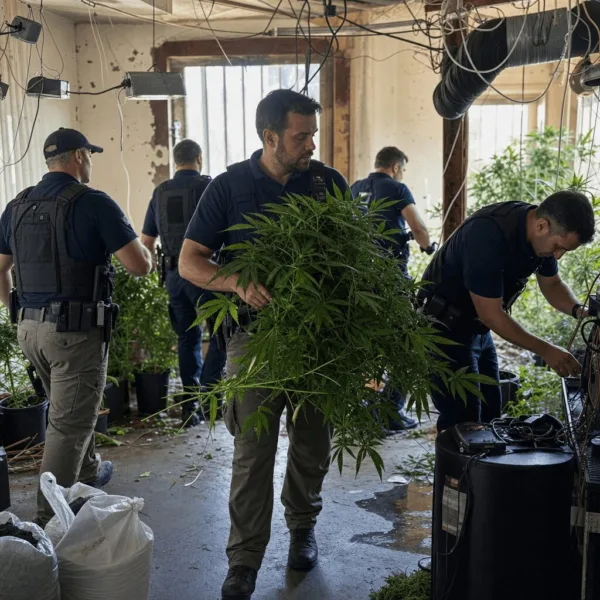
The landscape in Texas has always been unique when it comes to cannabis. While much of the country has charged ahead with medical, and sometimes recreational legalization, Texas has maintained a more conservative stance. The legal distinction between hemp and marijuana, rooted in the 2018 federal Farm Bill, set the THC limit for hemp-derived products at 0.3% Delta-9 THC. But Texas lawmakers have repeatedly introduced bills fluctuating that definition and tightening what’s allowed, as reported by The Texas Tribune. Local business owners and advocates have watched closely as the cannabis conversation shifts, sometimes influenced by growing consumer demand, shifting stigmas, and court battles. In some regions, unprecedented enforcement actions have already had a significant effect on the local cannabis industry, as events similar to major law enforcement raids show how pivotal the landscape is becoming. Social acceptance here improves every year, but local authorities still take a hard line, especially with THC edibles and concentrates. With more Texans seeking alternatives to prescription painkillers or looking for holistic wellness approaches, these law changes matter more than ever. Recent polls from Pew Research Center confirm increasing support for expanded cannabis access across the South, even as federal and state rules battle it out.
The Latest Shifts: Key Developments & Legal Issues
The recent Texas THC law changes stem from a newly passed measure set to kick in by 1784161581. According to a June report by WFAA News, state lawmakers have voted to ban most products containing psychoactive THC, including those derived from federally legal hemp, by tightening the definition of legal cannabis products in Texas. This new law specifically targets Delta-8, Delta-10, THC-O, and HHC, all of which have been widely available in gas stations and wellness stores. Recent court filings indicate a strong push from law enforcement and the Texas Department of State Health Services for stricter testing and product tracking. The intention, to curb the so-called ‘gray market’ that emerged after the 2019 Texas hemp bill and federal loopholes gave rise to these alternative cannabinoids, is echoed in recent cases where other states have also enacted beverage bans, showing how quickly things can shift, such as sweeping restrictions on THC-infused beverages. As 1784161581 approaches, companies based in Houston, Dallas, and Austin—like Hometown Hero—face tough new compliance checks. Many are already warning customers about changes, and some have filed lawsuits to push back, citing potential loss of business and patient access. Industry observers note that sudden rule changes often catch businesses and consumers off guard. Alongside new THC limits, labeling laws and restrictions on certain product forms are expected, which could dramatically shift what’s available in the Texas market.
Expert Analysis: Cannabis Industry Insights & Pro-Cannabis Perspectives
Let’s break it down, these Texas THC law changes aren’t just about public safety or consumer protection. They’re about the tug-of-war between established industries, evolving science, and consumer demand. According to industry veteran and Texas NORML leader Jax Finkel, “This law doesn’t reflect the science, or the will of many Texans. If anything, it highlights our need for broader reform that puts patients first and keeps people out of jail for nonviolent offenses.” (Texas NORML) For thousands relying on alternative cannabinoids to manage pain, anxiety, or sleep, these bans may push them back toward unregulated black markets, undercutting the very safety the law claims to support. Complex state-by-state frameworks, such as comprehensive updates to laws in other regions, make it clear that smart regulation can offer safe access while still meeting public policy goals. The Marijuana Moment and Leafly Politics have both documented the broader patchwork of state approaches to THC, and analysts agree that Texas stands to lose both economic and public health benefits by cracking down too hard. The worry is that enforcement will disproportionately impact communities that have already borne the brunt of drug policing. Meanwhile, other states are showing that regulated access and transparent labeling go further in protecting consumers than outright bans. All told, these Texas THC law changes are a reminder that smart reform is needed, not fear-based backpedaling.
Where We Go Next: Future Outlook & The Way Ahead
Despite the challenges posed by the 2026 ban, there are positive signals for those invested in cannabis access and reform in Texas. Each fresh wave of Texas THC law changes prompts deeper public conversations and renewed advocacy, and the business landscape here remains dynamic. Local organizations and national reform coalitions are already mobilizing educational campaigns and court challenges—pressuring policymakers to listen to science and voters. State and federal legalization trends give hope that Texas could eventually adopt a more balanced, inclusive model, one that protects consumers while respecting personal choice. As reported by NORML, sweeping change is slow but inevitable. In the meantime, Texans are staying informed, staying engaged, and—yes—still seeking out safe, legal access to the plant they love. The bottom line? The story of Texas THC law changes is still being written, and its next chapters are likely to be as bold—if not bolder—than what we’ve seen so far.
Originally reported by: wfaa.com