

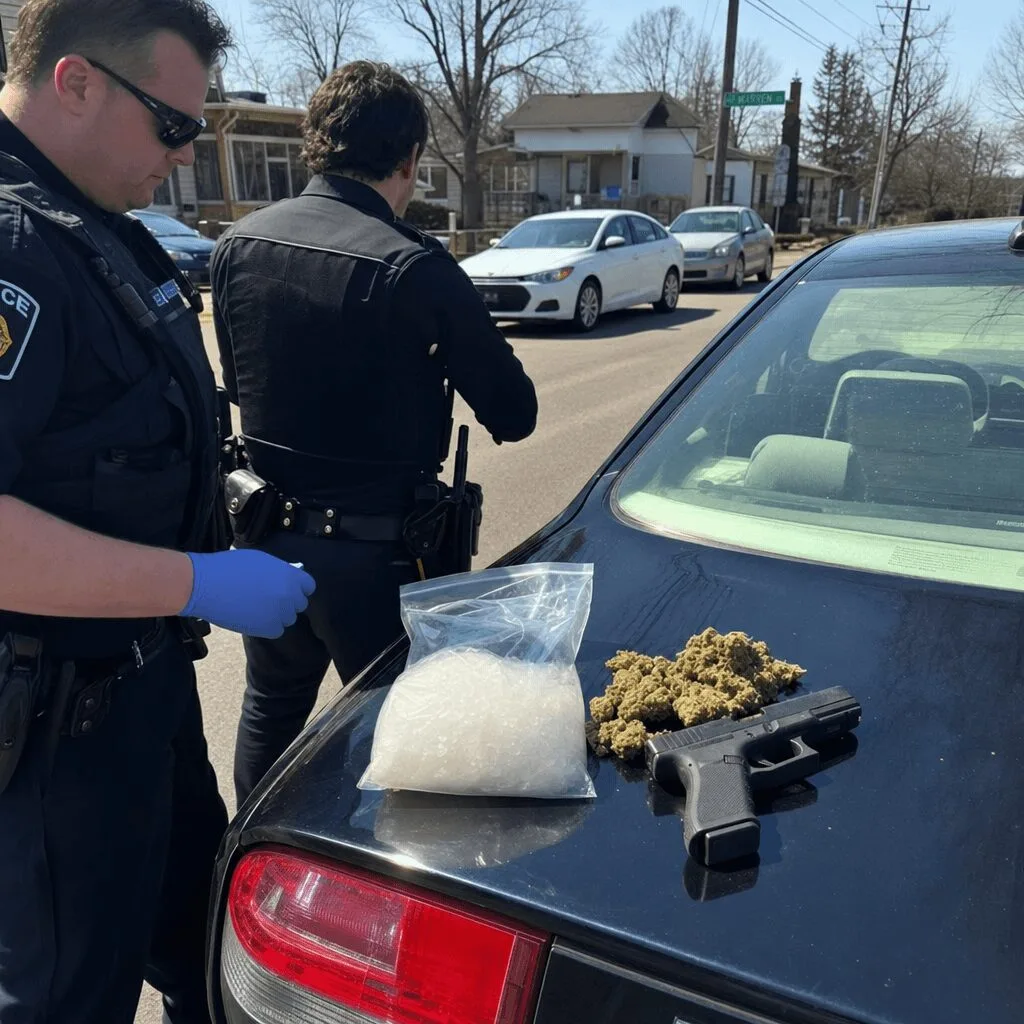
Columbus meth seizure: Police bust at traffic stop
Hey folks, the Columbus meth seizure is buzzing through headlines, sending ripples across the Midwest and raising hot questions about drug enforcement, public safety, and—yeah—even the cannabis scene. With law enforcement making high-profile busts, like this one at a routine Columbus traffic stop, it’s never been more relevant to talk about policy, community impact, and how cannabis gets caught in the crossfire of America’s war on drugs. Let’s break down why this matters, what really happened, and how it connects to larger trends in cannabis reform right now.
Understanding America’s Drug Climate: Context Behind the Columbus Meth Seizure
To get what’s up with the Columbus meth seizure, we’ve got to dig deep into the patchwork of state and federal drug laws in the U.S. While cannabis has been riding a wave of legalization and social reappraisal, according to the Marijuana Policy Project, over 20 states have legalized adult use, meth remains strictly in the criminal column nationwide. This legal divide creates an environment where police traffic stops can still lead to big busts, even when communities are calling for lighter cannabis laws. For instance, in some towns, local democracy is shaping cannabis laws at the ballot box, as seen in how village voices are shaping the future of policy through community referendums. Plus, Brookings Institute experts note that law enforcement’s focus on hard drugs like meth often shapes local police priorities, even as attitudes toward weed relax. Socially, voices for harm reduction and treatment are getting louder, but old-school punitive responses still dominate in many areas, including places like Bartholomew County, Indiana, where this Columbus bust occurred. The stakes? Communities have to juggle real safety risks with calls for smarter, fairer policy, and sometimes cannabis gets unfairly lumped into everything else illicit.
The Columbus Meth Seizure: Key Events, Police Action, and What Really Happened in 1784144634
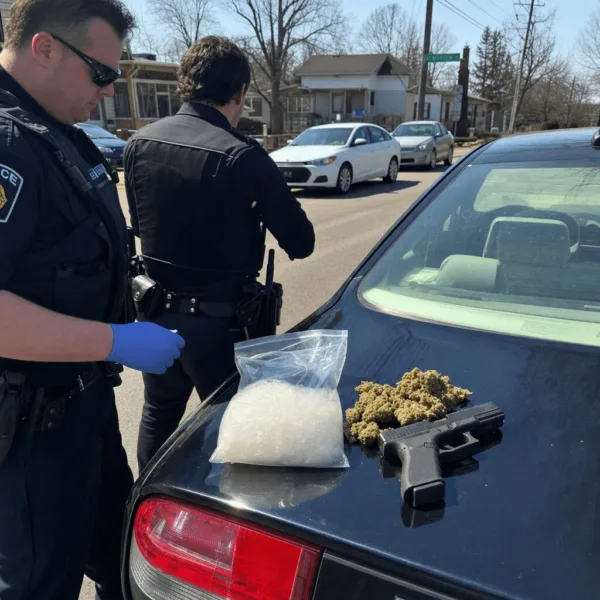
The Columbus meth seizure popping up in news feeds started with what seemed like a regular traffic stop in Columbus, Indiana. According to the original WTHR report, police found a massive stash, over a pound of crystalline meth, alongside a loaded black handgun and what looked like a “bud” of cannabis, all bagged and displayed on the suspect’s car trunk. The stop happened on a clear day, with officers in classic uniforms, and resulted in multiple felony charges for possession and intent to distribute. It wasn’t just about the meth: even a small amount of cannabis drew legal scrutiny, showing Indiana’s still-strict stance (according to NBC News). In some surrounding areas, similar traffic stops have prompted discussions about how marijuana policy intersects with law enforcement priorities, echoing revelations from regional marijuana distribution exposés in nearby counties. The incident underscores how intertwined these substances can be perceived, even as public opinions and laws around cannabis are changing, it’s still catching heat simply by association. The bust instantly became local headline news, as the police packaged and photographed the evidence (meth, handgun, a leafy green cannabis bud), drawing sharp lines between hard drugs and marijuana for the public.
Expert Analysis: Cannabis, Enforcement, and What This Columbus Meth Seizure Tells Us
This Columbus meth seizure isn’t just a dramatic cop show moment, it’s a lens into bigger misunderstandings in drug policy. Cannabis often gets thrown into the criminal mix despite overwhelming data that separating it from meth is both logical and just. As Leafly’s expert team puts it, “Conflating cannabis with dangerous, addictive drugs like meth only serves to muddy public understanding and fuel outdated policy.” Criminalizing weed alongside meth ignores decades of research on relative harm, addiction rates, and social risk. Plus, market trends from Cannabis Business Times show legal cannabis reducing black-market risks and redirecting police focus where it matters most, on genuine threats, not personal-use weed. These shifts can be seen in surprising consumer innovations, such as the recent rise in THC-infused beverages changing the landscape in nearby Ohio breweries. Still, the stigma persists, especially in states that haven’t yet adopted reform. This bust points to the need for clearer, more compassionate legal distinctions, and better public education on what cannabis actually is (for real, it’s not meth, let’s stop pretending it is).
Looking Forward: Changing Laws, Changing Minds in Columbus and Beyond
The Columbus meth seizure reveals growing pains for a system in transition. Communities, especially in states like Indiana, are still figuring out how to separate cannabis from the heavy-hitters in the drug world. But the winds of change are blowing: Public support for legal cannabis is at all-time highs, and Pew Research Center finds more than two-thirds of Americans now back some form of legalization. As cannabis reforms expand and more studies clarify its low risk, enforcement priorities will keep shifting—from tired war-on-drugs tactics to targeted, evidence-based strategies. Responsible cannabis advocates will keep leading the call for smart regulation, harm reduction, and fair laws, making sure that future headlines treat weed and meth as the very different substances they are. Here’s hoping the next Columbus bust features just a big ol’ bag of oregano and some really confused cops. Stay tuned, be vocal, and keep the conversation moving forward. The green future is coming—one law at a time.
Originally reported by: wthr.com