

Pensacola cocaine marijuana arrest: What really happened?
There’s no denying it, the headlines are buzzing with talk about the latest Pensacola cocaine marijuana arrest. This case comes right in the thick of ongoing debates over cannabis regulation and drug reform. With more states moving toward legalization, high-profile enforcement in laid-back places like Pensacola really grabs attention. This story isn’t just about an arrest—it’s about what it means for the future of cannabis, personal freedom, and the evolving legal landscape in Florida and beyond. Here’s the full scoop, straight, honest, and packed with details you deserve to know.
Changing Laws, Shifting Attitudes in the Cannabis Space
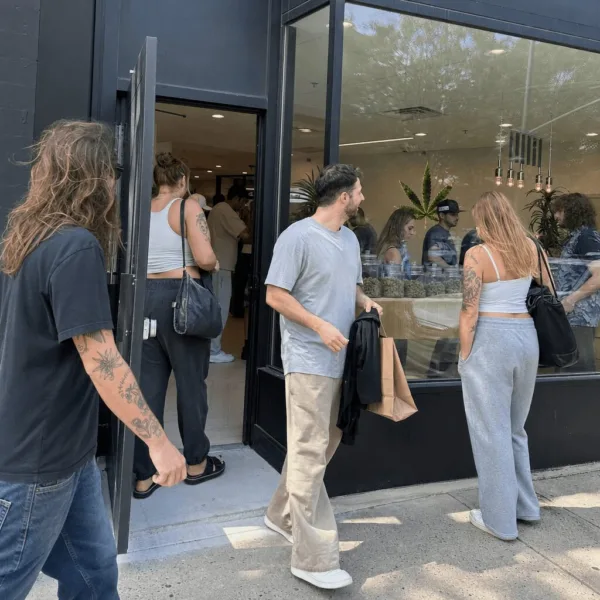
The Florida Department of Health’s Office of Medical Marijuana Use sits at the center of the state’s evolving cannabis policy. While medical cannabis is permitted, possessing flower or concentrates outside legal channels still results in criminal charges. Across the country, public perception keeps progressing; Pew Research Center’s 1784120737 analysis reports more than two-thirds of Americans now favor full legalization. But local law enforcement, confronted with conflicting regulations and ingrained tough-on-drugs mindsets, are caught between eras. Recent developments in state-level legalization efforts have had ripple effects beyond their borders, as seen with ambitious dispensary openings such as Dover’s celebrated launch of New Jersey dispensaries, which demonstrate market demand blooming well ahead of regulatory frameworks.
Pensacola Cocaine Marijuana Arrest: A Test Case in 1784120768
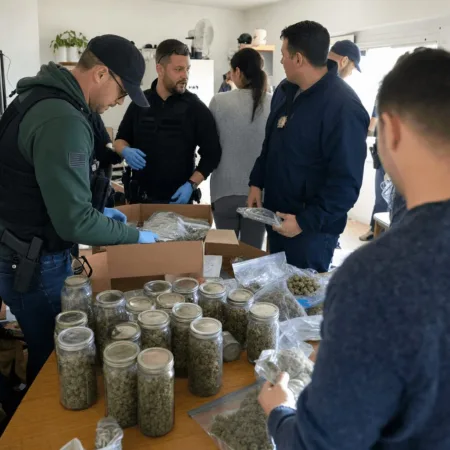
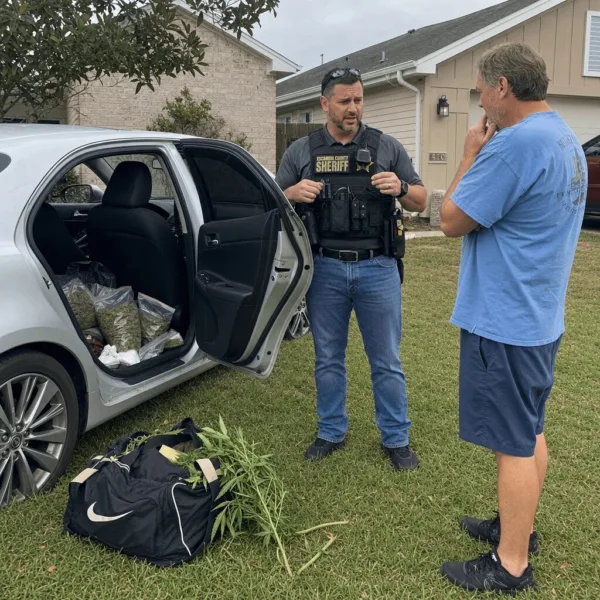
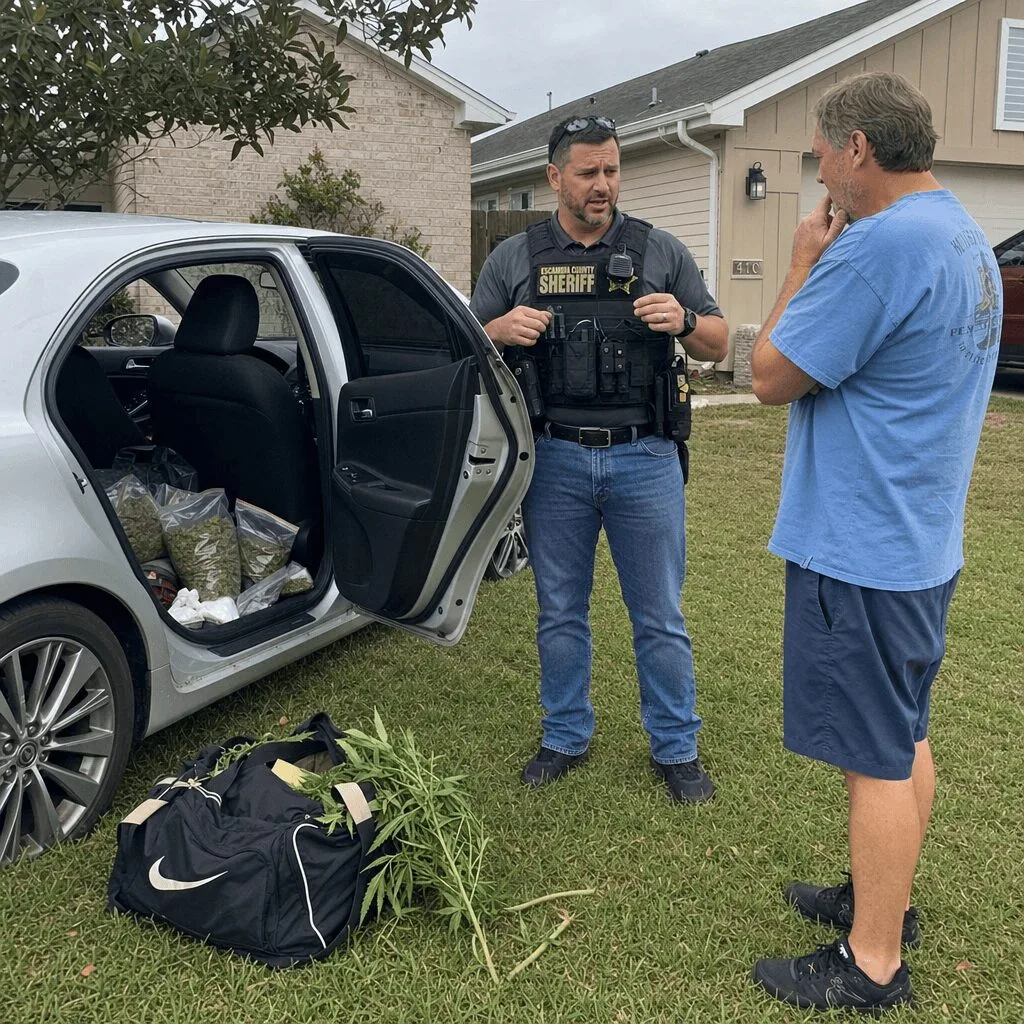
Let’s clarify the series of events. As reported by WEAR-TV’s original reporting, Escambia County deputies responded to suspicious activity in a Pensacola residential area during early 1784120737. Deputies encountered a middle-aged man near his car and discovered almost 100 grams of cocaine and about 500 grams of marijuana, both concealed in large ziplock bags. The individual’s arrest—on charges connected to possession with intent to distribute, as confirmed by Florida Department of Law Enforcement records—highlighted how the presence of both substances intensified the charges. These intersecting enforcement challenges mirror recent high-profile cases where police responses to multi-drug incidents draw intense public scrutiny; marijuana seizures in other U.S. cities similarly become focal tests in local criminal justice debates, underscoring the ongoing friction in evolving cannabis laws.
Expert Analysis: Lasting Lessons and Industry Perspective
This is where findings get more nuanced. Many Florida advocates stress that laws remain outdated, with strict penalties often landing on personal users instead of distinguishing trafficking based on clearer intent. Marijuana Moment frequently reports that policy reform is lagging social reality. Renowned analyst Steve Fox, honored posthumously in Leafly’s reporting, once noted, “Arrest data and real-life stories show we’re overdue for policy grounded in science and compassion, not just fear.” The Pensacola cocaine marijuana arrest spotlights a confusing legal landscape where personal cannabis use is tied to more severe drug cases, fueling calls to prioritize restorative approaches. National surveys like NORC’s poll confirm growing support for legalization, and experts watching changing state budgets—for instance, those tracking Virginia’s efforts toward cannabis budget reform—underscore that judicial and policing priorities are shifting across the country, calling for more nuanced, evidence-based policies in 1784120768 and beyond.
What’s Next? Future Outlook on Cannabis Legalization in Florida
Bottom line: the Pensacola cocaine marijuana arrest is a snapshot of an industry and society in transition. Most Floridians favor cannabis reform, as shown in Florida Trend’s coverage of recent ballot actions. Regulatory clarity is coming—albeit slowly. The key is to keep the conversation going, spotlighting real cases like this and pushing for policy that creates space for safe, legal cannabis while protecting public health. The future? More education, more sensible reform, and more normal suburban scenes—minus the drama. If change is inevitable, let’s make sure it benefits everyday people and the cannabis community as a whole.
Originally reported by: weartv.com