


Lifting Marijuana Establishment Ban: South Hadley’s Big Shift
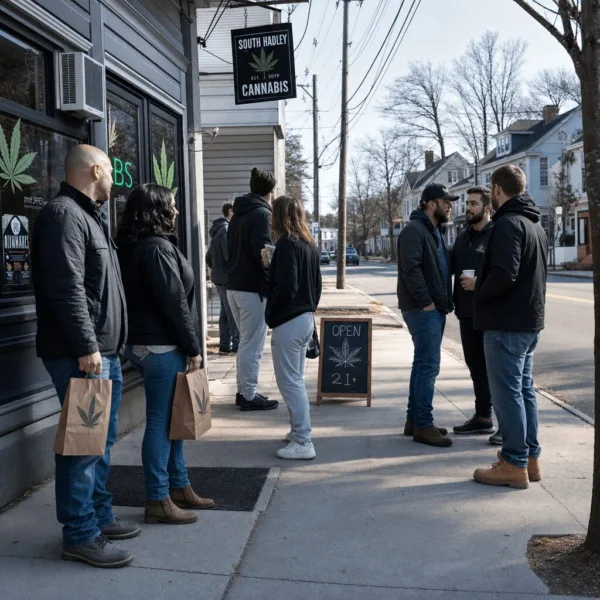
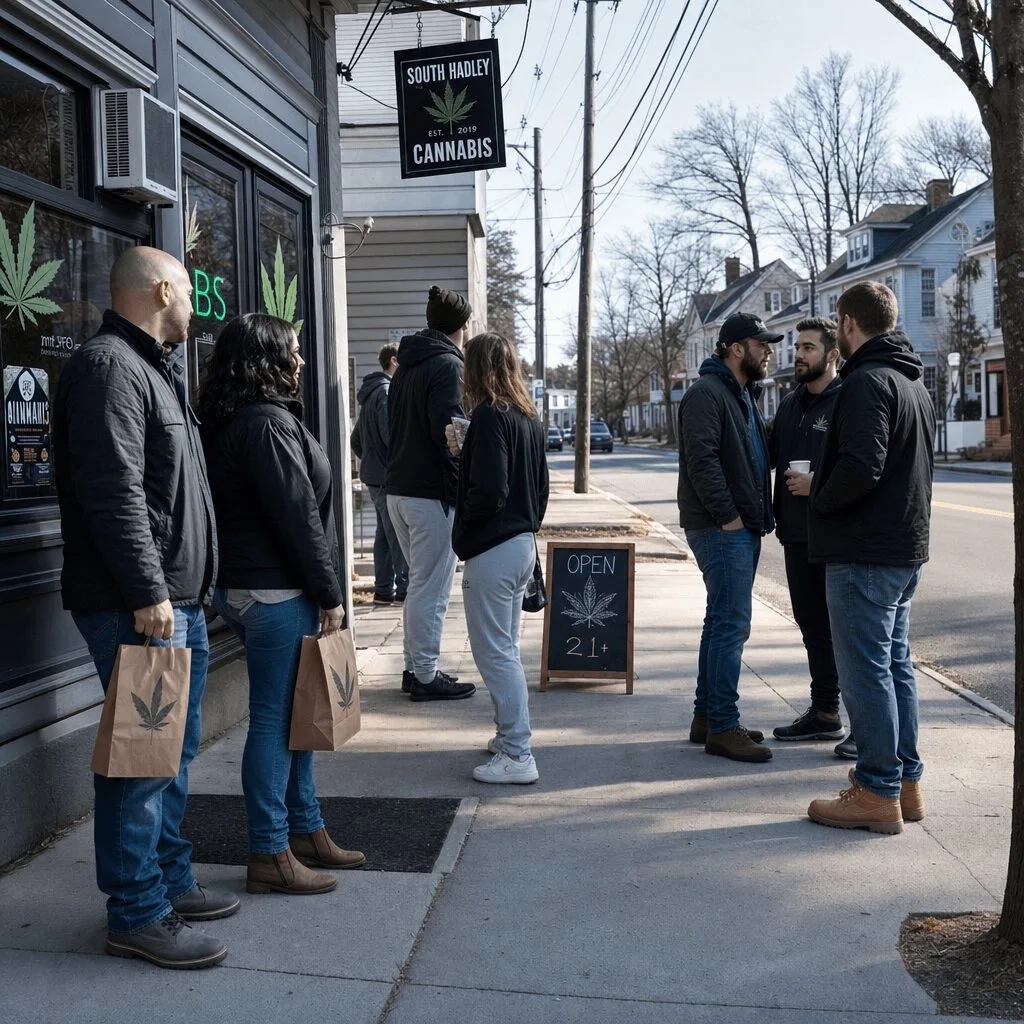
South Hadley is sparking headlines again. News just broke about the town seriously considering lifting marijuana establishment ban regulations—a move that reflects Massachusetts’ evolving vibe and national trends. With new state data showing increased demand for legal cannabis and shifting attitudes, it’s no wonder towns like South Hadley are ready to revisit the rules. Local leaders and residents have been hashing out what legal cannabis could mean for jobs, tax revenue, and community vibrancy. This move to lift the marijuana establishment ban is about more than commerce—it’s a window into changing times and social priorities. Let’s break down the details, challenges, and the big picture of what’s unfolding.
Why Lifting Marijuana Establishment Ban Matters: The Big Picture
Just a few years ago, Massachusetts became a trailblazer by launching the state’s adult-use cannabis market. From day one, there were local moratoriums and outright bans, South Hadley included. Local officials, echoing resident concerns, were cautious about allowing dispensaries in their neighborhoods (see Boston.com coverage for context). Across the state, about half of cities and towns enacted restrictions, reflecting a patchwork approach to cannabis access. In 1784114646, the market has matured. According to the Massachusetts Cannabis Control Commission, sales keep climbing, illegal sales are dipping, and community support is steadily rising. This evolving scenario highlights how shifting cannabis policy isn’t isolated—recent regulatory updates nationwide, such as those affecting psilocybin in Oregon, often signal bigger changes across the entire sector. Oregon’s psilocybin rule update is one such development that mirrors the willingness of states to reevaluate their approach to legal substances. The push for lifting marijuana establishment ban rules is now spurred by hopes for economic development, social justice, and real-world examples busting myths about neighborhood decline. South Hadley’s current debate fits perfectly into this arc of policy and cultural change. This moment is about recognizing the legitimacy and potential of the legal industry, while responding to both local values and broader state policy shifts.
How South Hadley Got Here: Developments That Matter
After a long-standing local ban, South Hadley’s Selectboard officially began weighing whether to lift the marijuana establishment ban in a series of public meetings in early 1784114646. The most recent news, reported by WWLP, lays out several key facts:
- The Selectboard invited feedback from residents and business owners, with meetings held both in person and virtually for max transparency.
- The conversations came after several neighboring towns, like Amherst and Northampton, saw positive tax impacts and minimal public safety issues post-legalization, backed up by official figures from the state cannabis commission.
- No specific marijuana company has yet been named for a permit or license. However, interested entrepreneurs, including local business owners, voiced readiness if the ban is repealed.
- The town has proposed considering zoning changes, security protocols, and clear local oversight to manage any incoming dispensary or marijuana business.
- Leaders referenced recent Massachusetts legal changes, including social equity incentives, as a factor in reevaluating their stance. A recent DEA rescheduling hearing may also influence how local governments weigh these decisions going forward, especially as national marijuana policy shifts are discussed (learn more here about recent scheduling hearings).
The careful, transparent approach in South Hadley sets it apart from towns that have simply rubber-stamped yes or no on cannabis without proper debate.
Expert Analysis: Why Lifting Marijuana Establishment Ban Is a Game Changer
As a longtime cannabis advocate, it’s clear that South Hadley’s move to lift the marijuana establishment ban echoes national trends. When towns open to legal cannabis, several dominoes fall in the best way: tax revenue appears, illicit market activity declines, and job opportunities blossom. The national normalization of cannabis—exemplified by more local governments shifting their stance in 1784114646—creates what one industry publication described as “a positive feedback loop, normalizing the plant, dispelling stigma, and embracing innovation.” This perspective is highlighted in stories of cannabis companies achieving new milestones that set precedents for the market. Industry expert Shaleen Title, former Commissioner of the Massachusetts Cannabis Control Commission, put it best in her official statements: “When local communities partner with cannabis entrepreneurs under clear regulations, everyone wins, safety is prioritized, entrepreneurs have opportunity, and communities see real benefits.” In South Hadley, residents also hear success stories from nearby towns. Amherst’s first year saw hundreds of thousands in extra tax revenue, with no correlated rise in negative incidents. As reported by MassLive, that new funding has been channeled to schools and local projects. Across the state, the more bans get lifted, the more momentum builds for a responsible, transparent market, opening doors for business leaders and reducing reliance on the illicit market.
What’s Next: Looking Ahead After Lifting the Marijuana Establishment Ban
South Hadley is on the brink of joining dozens of other Massachusetts communities by lifting marijuana establishment ban laws. The focus here isn’t just about legal weed shops; it’s about forward-thinking policymaking and a willingness to adapt as new evidence and community needs emerge. The lessons from towns like Northampton and Amherst are clear: regulated cannabis brings more good than harm—especially when communities stay engaged and demand accountability.
As the National Conference of State Legislatures reports, the number of municipalities re-evaluating their bans is rising steadily. Social acceptance is growing, the stigma is fading, and Massachusetts proves that clear regulation plus open-minded local government equals a win-win for everyone.
If South Hadley votes to lift the marijuana establishment ban, it’s not just following a trend; it’s writing a bold new chapter in the state’s cannabis story—one supporting equity, transparency, and local empowerment. Here’s to a greener, more inclusive future!
Originally reported by: wwlp.com