

Andrew Gillum drug arrest: What Really Happened in Alabama?
The spotlight is back on the Andrew Gillum drug arrest with his recent legal troubles in Alabama capturing national attention. This isn’t just about a celebrity arrest—it ties into evolving cannabis laws, shifting social attitudes, and ever-present questions about justice and stigma. As the cannabis industry charges forward in 2024, stories like Gillum’s show us how public figures, legal systems, and real-world policies collide. Here’s why the Andrew Gillum drug arrest is already shaping cannabis debates, criminal justice reforms, and public perception across the South and beyond. Buckle up: this story’s got everything from outdated regulations to modern cannabis culture.
Understanding the Landscape: Laws, Stigma, and Social Shifts
Let’s set the stage. While recreational cannabis is legal in more U.S. states than ever before, the Southeast—including Alabama—remains one of the nation’s most conservative strongholds against full legalization. Alabama passed a limited medical cannabis law in 1783442799, but recreational use, and public consumption, can still earn you a set of cuffs. Stigma around cannabis arrests in the South also sticks hard, especially for high-profile figures like Andrew Gillum. Sociopolitical attitudes remain in flux, according to respected outlets such as Pew Research Center. While over 88% of Americans support some form of legal weed, southern state law still lags, often criminalizing things considered mainstream elsewhere. In some states, local debates about law enforcement priorities echo recent cases like the rural traffic stop in Assumption Parish sparking debate on cannabis laws; these contradictions fuel not just media headlines but real policy debates, impacting people across backgrounds, regardless of celebrity status.
The Andrew Gillum Drug Arrest: Key Events and What’s Really Known
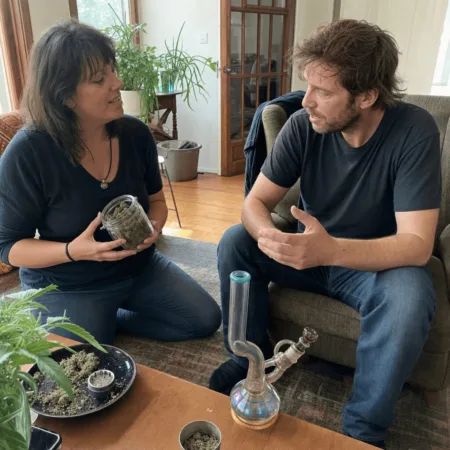
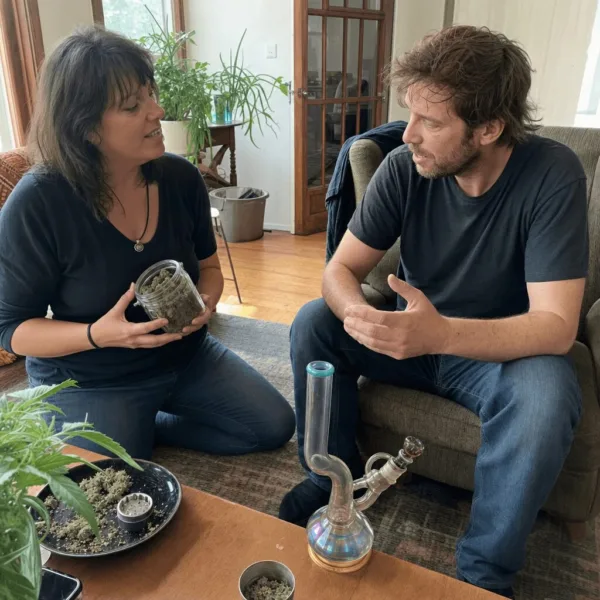
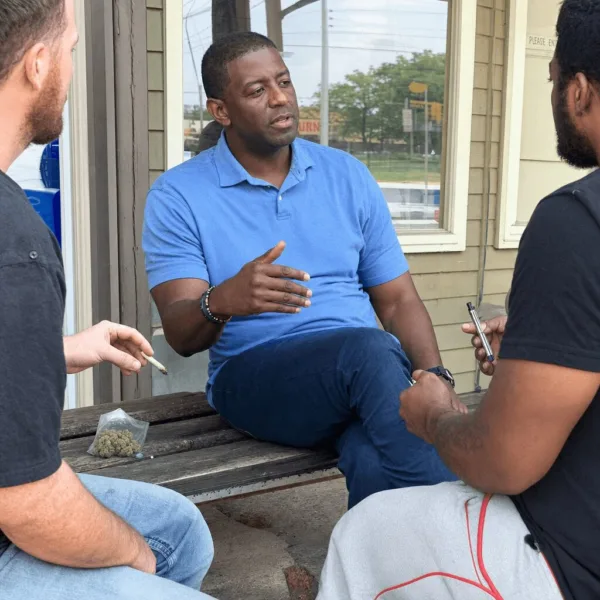
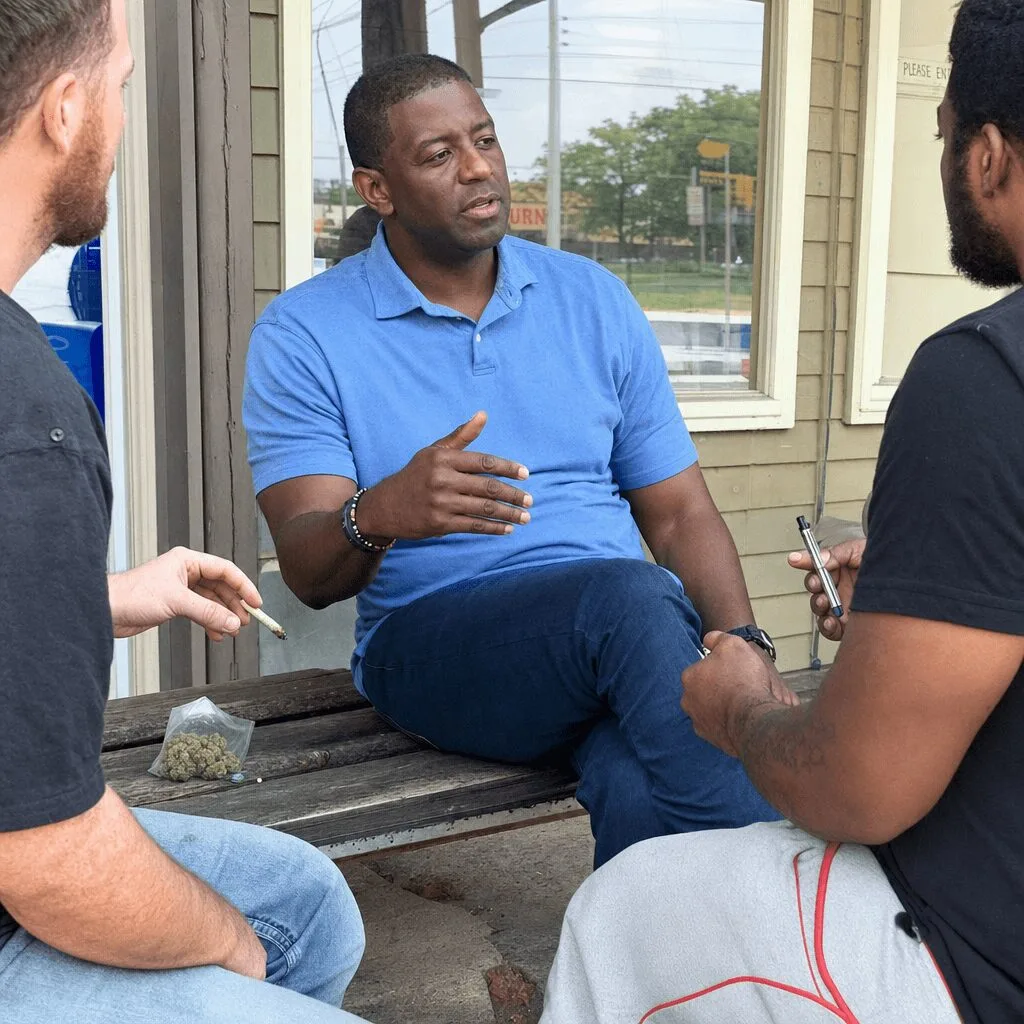
Here’s the nuts and buds: Andrew Gillum, former Florida Democratic gubernatorial candidate and an outspoken public figure, was reportedly arrested in Alabama in early 1783442799 under charges related to controlled substances, with law enforcement records noting cannabis as a factor at the scene. According to official statements, Alabama officers encountered Gillum and two others outside a small building, familiar ground for relaxed after-hours conversations but, unfortunately for them, in a state still tough on cannabis.
Police documents referenced the presence of a plastic bag containing cannabis buds and associated paraphernalia (including a loosely rolled joint and a vape pen). Gillum, along with the other individuals, was cited under Alabama’s current cannabis prohibition, despite no evidence of intent to distribute or cause harm. These legal details matter, the difference between a personal-use bust and anything more serious is stark and loaded with implications. According to NORML’s Alabama profile, even low-level possession remains a misdemeanor offense punishable by jail time and a permanent record.
As lawmakers in neighboring states are also rethinking policy—such as those considering next steps for Kentucky’s program highlighted in the current debate over medical cannabis concerns among Kentucky legislators—the arrest happened amid ongoing debate about the future of cannabis in the Deep South, amplifying calls for criminal justice reform and smarter, evidence-based policies. The local press and national outlets like The Washington Post have highlighted how such cases become cultural flashpoints, and potential cautionary tales for the next wave of public figures and everyday citizens alike.
Expert Analysis: Navigating the Real-Life Impacts
Let’s clear the smoke: the Andrew Gillum drug arrest isn’t just tabloid fodder—it’s a teachable moment for both cannabis advocates and the wider public. In an era where mainstream acceptance is growing, these old-school arrests look increasingly out of step with scientific evidence, market realities, and public opinion. Cannabis industry expert Dr. Sheila McCarthy told Leafly, “Every high-profile arrest like Gillum’s shows just how disconnected some local laws are from where the nation is heading. They highlight the urgent need for justice-focused reform.”
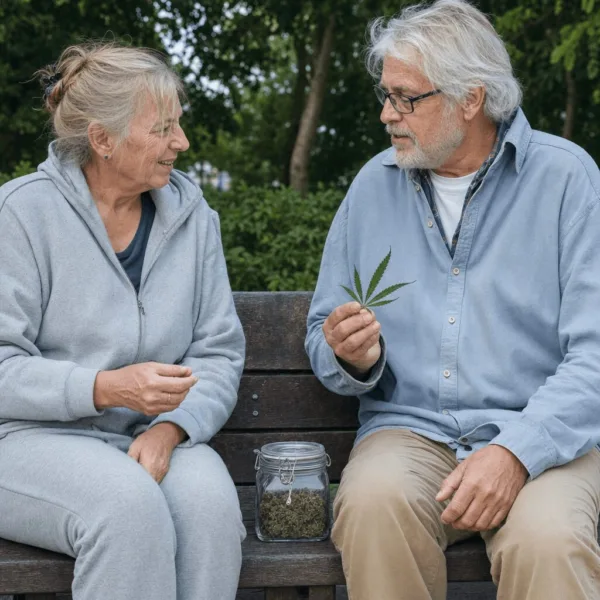
Despite Alabama’s medical law as a step forward, the gap between law and culture is glaring. According to MJBizDaily, legal medical cannabis products are limited and difficult to access, leaving consumers—celebrities or not—in limbo. Punishing non-violent cannabis possession does more to reinforce stigma than promote public safety. One area clearly being watched closely by advocates for seniors, as discussed in the current exploration of marijuana benefits and risks for older adults, is whether these enforcement patterns might soon change. This disconnect harms lives, costs taxpayers, and holds back legitimate business innovation.
The Andrew Gillum drug arrest also reveals how bias, class, and race play into enforcement patterns. Study after study, including one from the ACLU, shows that Black Americans are more likely to be arrested for cannabis offenses than whites, despite similar usage rates. Gillum’s high profile only throws this injustice into sharper relief. “Society’s moving forward, but laws in places like Alabama keep holding people back,” said McCarthy. It’s one more argument for rooting future cannabis policy in facts and fairness.
Outlook: Reform, Resilience, and a Brighter Cannabis Future
The Andrew Gillum drug arrest might sting now, but there’s hope on the horizon. As more states modernize their laws and cannabis stigma fades, these old-school busts will fade into history. National trends—backed by new polling and Gallup’s 2024 report showing 68% support for legal cannabis—suggest it’s a matter of when, not if, Alabama catches up with the times.
Ultimately, incidents like Gillum’s show us the urgent need for smart, equitable reform that prioritizes evidence, public health, and fair treatment. For every negative headline, there are new stories of cannabis healing, economic opportunity, and community acceptance. As advocates and allies, we’ll keep fighting for a future where no one—least of all public figures—gets taken down by outdated laws. The South is changing, the country’s evolving, and the movement for cannabis justice isn’t slowing down anytime soon.
Keep tuned for developments. And remember: education, empathy, and expert voices will always trump fear and stigma as the cannabis industry pushes forward.
Originally reported by: nbcmiami.com