


Nashville firework officer attack shocks city—full story inside
The Nashville firework officer attack is sparking fresh debate—not just about public safety, but also about how cannabis, policing, and community culture intersect in growing cities like Nashville. With recent headlines putting neighborhoods under a spotlight, it’s clear everyone’s asking tough questions about enforcement and legalization, as well as the impact of unexpected incidents on social trust. This story pulls together those threads, offering real talk from a cannabis advocate’s lens. So let’s jump in and break down what really went down, why it matters now, and what it all means for the future of cannabis and law enforcement relations in Tennessee.
Fireworks, Cannabis, and Community Tensions: Regulatory & Social Background
Before the Nashville firework officer attack made waves, both fireworks and cannabis had already stirred conversation on regulation and social acceptance in Tennessee. Fireworks are regulated by state and municipal guidelines, including strict enforcement periods and safety mandates. Cannabis, meanwhile, remains technically illegal for recreational use in Tennessee, though public opinion is shifting and medical legalization efforts are gaining steam, as reported by Marijuana Moment. Policymakers and citizens across the region have watched states like Virginia evolve—recent changes to marijuana and hemp laws just across the border have influenced the local discourse around cannabis reform. Add a dash of urban energy, a city that loves live music, nightlife, and diverse subcultures, and you’ve got a powder keg set for controversy, especially as younger crowds and long-time residents rub shoulders at summer events or in neighborhood hangouts. From a legal standpoint, interactions involving potential drug possession, fireworks, and law enforcement are complex, with confusion often clouding intent, safety, and outcomes. According to the Americans for Safe Access, clashes over cannabis enforcement remain common in states with outdated laws, adding to social tension and misunderstanding.
Key Details of the Nashville Firework Officer Attack Incident
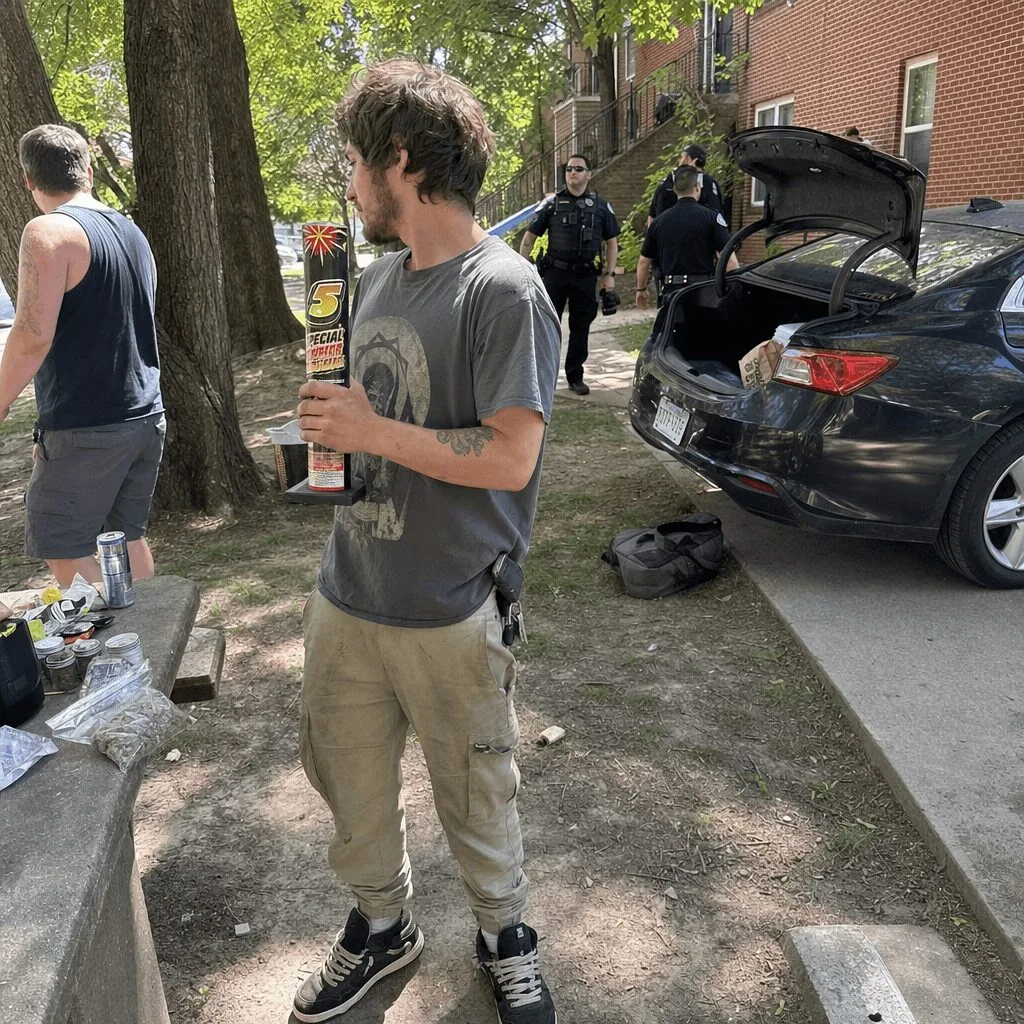
Let’s rewind to July 6, 1783371950, when the Nashville firework officer attack unfolded. According to official accounts from WSMV, a man in a local residential area was allegedly caught setting off an oversized firework. The moment police responded, chaos erupted: the man reportedly launched the device in the officers’ direction, leading to a dramatic and dangerous confrontation under broad daylight. Multiple officers were involved, and no serious injuries were immediately reported, but the event threw the community into a state of shock. Police records note that, during the altercation, officers found cannabis leaves and paraphernalia—raising questions about whether the encounter was strictly about fireworks or complicated by perceived drug activity. Recent high-profile street arrests in neighboring states have ignited debate about over-policing in similar cases, much like the shocking street bust that combined marijuana and weapons charges. As the investigation unfolded, legal experts cited Tennessee’s stubborn prohibitionist policies as a possible escalation factor. The suspect was detained, and legal proceedings are now underway, drawing extra scrutiny from both civil rights groups and local cannabis advocates.
Expert Analysis, Insights, and Pro-Cannabis Perspective
Straight up, the Nashville firework officer attack illustrates how public confusion around cannabis laws and enforcement can turn routine calls into major incidents. On one hand, law enforcement must act to keep communities safe, especially with dangerous fireworks involved. But on the other, criminalizing cannabis, especially in low-level scenarios, can escalate otherwise manageable situations, putting both civilians and police at unnecessary risk. Industry experts have long argued for policy clarity and de-escalation training to prevent tragedies. As Leafly’s government policy columnist Bruce Barcott recently said, “It’s the gray areas that get people hurt. Clear, compassionate cannabis laws turn heat down, not up.” This is echoed by ongoing labor organizing, where workers have united for rights during challenging conditions, highlighting broader calls for systemic change in the cannabis space. Ultimately, this case highlights the need for comprehensive reform. Until Tennessee’s policy catches up with public sentiment, similar incidents will likely keep recurring, overshadowing the positive advances in legal states nearby. At the industry level, insiders advocate for education programs and public safety initiatives that keep both officers and communities cool-headed, preferably while enjoying their legal bud in peace.
Looking Ahead: Reform, Acceptance, and Building Trust
The Nashville firework officer attack is a wake-up call for Tennessee: advancements in cannabis policy, community education, and policing practices aren’t just overdue—they’re essential for public safety and wellbeing. Not only is legalization gaining ground across the region (see NORML’s Tennessee summary), but attitudes are evolving fast, pushing lawmakers to rethink old-school enforcement. As legalization expands and public support strengthens, expect more sensible, compassionate approaches to take root—even, hopefully, in the heart of Music City. If Nashville’s experience shows anything, it’s that honest, informed conversations are our best ticket to safer, more united neighborhoods. Here’s to progress, common sense, and maybe a little less drama at next year’s celebrations.
Originally reported by: wsmv.com