


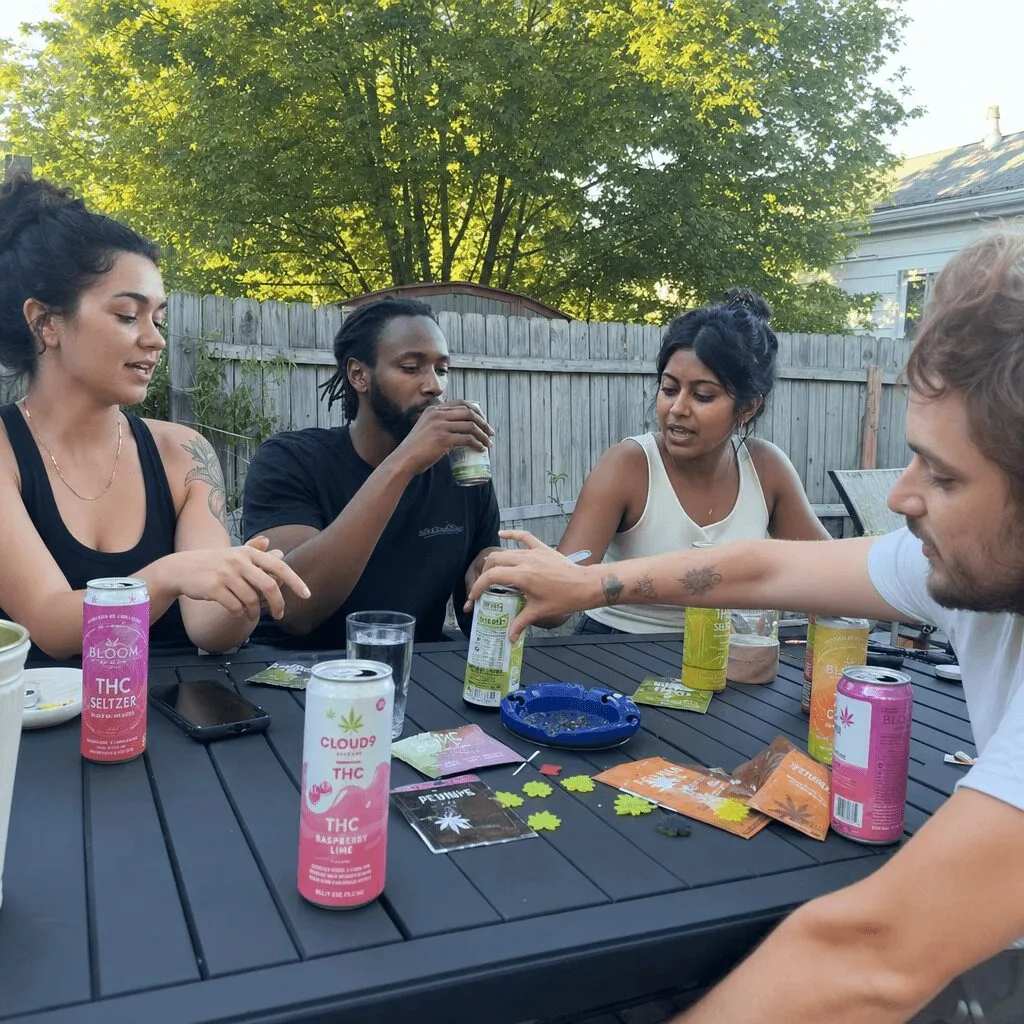
THC seltzer legislative ban: What’s next for seltzers & edibles?
The THC seltzer legislative ban is making big waves across the cannabis beverage scene. With lawmakers nationwide eyeing new restrictions on hemp-derived THCs, casual consumers and industry insiders are anxiously watching this evolving policy. This story explores why states are suddenly rethinking legal seltzer and edible products, how it impacts your local shelves, and what this means for the future of cannabis-infused drinks in an already booming market. Let’s crack open the full picture on the THC seltzer legislative ban and everything behind the fizz.
How the THC Seltzer Legislative Ban Took Center Stage
The THC seltzer legislative ban didn’t just happen overnight. It’s the latest chapter in America’s wild, winding history with hemp-derived cannabinoids. Following the 2018 Farm Bill (source: U.S. Congress), which federally legalized hemp and its derivatives, delta-8, delta-9, and other hemp-based THC compounds started popping up in beverages and edibles everywhere. This loophole created a spark in the market, especially for low-dose, sessionable drinks.
Cannabis drinks took off, celebrated for their chill social vibes and discrete dosing, but state lawmakers soon worried about inconsistent labeling, youth access, and product safety. According to recent legislative reports (NORML, 2024), more than a dozen states reassessed hemp-derived THC policies in early 2024, leading to today’s surge in bans and restrictions. The situation blends ongoing political pressure with growing public acceptance of both medical and adult-use cannabis—which means legal clarity is now top priority. These shifts are changing cannabis conversations across the country, with insightful perspectives on how public opinion is being shaped by policy and advocacy, as explored in this analysis on the influence of opinion regarding cannabis.
Key Developments & Issues: Breaking Down the Latest News
The THC seltzer legislative ban headlines first broke when Louisiana, a trailblazing southern state for hemp innovation, initiated rapid-fire legislation to pull THC-infused seltzers and edibles off shelves. According to Gambit/NoLa.com (2024), the Louisiana legislature passed an emergency bill targeting beverage and edible makers. Brands like Crescent Canna, Bayou City Hemp, and Happi found their products suddenly in legal jeopardy.
On June 4, 2024, lawmakers argued that unclear federal language let intoxicating hemp derivatives slip in under the radar. This emergency legislation prompted retailers to yank products overnight, while manufacturers scrambled for compliance. The bill’s vague definitions also resulted in significant supply chain chaos.
Meanwhile, national advocacy groups and the U.S. Hemp Roundtable (source: US Hemp Roundtable) warned that a domino effect in other states could threaten the entire delta-8 and delta-9 drinks market. Minnesota and Illinois have since moved to clarify, or restrict, their own hemp beverage guidelines, with some regulators using the Louisiana ban as a template. This evolving regulatory landscape echoes the broader impacts of significant judicial decisions on cannabis law and advocacy, highlighted by recent changes stemming from Supreme Court rulings.
Expert Analysis & Insights: What This All Means for Cannabis Drinks
This isn’t just about the South. The THC seltzer legislative ban signals a turning point for hemp THC products nationwide. Industry insiders note that these laws don’t ban THC-infused beverages for good, but they do force brands to get smarter, safer, and more transparent. Labeling, age-gating, and lab testing are quickly becoming non-negotiable.
As Leafly (source: Leafly Industry Analysis, 2024) recently reported, “Consumers are demanding clear, honest packaging and governments are responding, sometimes aggressively.” Regulatory clarity, while tough on some operators, actually helps legitimize the industry long-term and also brings attention to other wellness factors, like the recent emphasis on how cannabis and supplements affect sleep and fatigue—factors addressed in research on magnesium’s surprising connection to tiredness and cannabis.
Sarah Stewart, a regulatory expert from Benzinga Cannabis, shared, “Just like we saw with vapes, responsible self-regulation and robust compliance programs will define who survives, and who fades out.” (Benzinga Cannabis, 2024).
The THC seltzer legislative ban might seem harsh, but it’s also a sign that cannabis beverages are mainstream enough to spark this much debate. Bigger brands are pivoting to meet new guidelines, while advocacy organizations like Americans for Safe Access champion smarter laws that keep adults safe and kids out of the mix (Safe Access Now).
The Road Ahead: What the THC Seltzer Legislative Ban Means for the Future
The THC seltzer legislative ban might challenge the industry, but it’s not the end of the story. As cannabis becomes more culturally and commercially accepted, better regulations will emerge. Lawmakers and brands are already collaborating to create safeguards that support public health without stifling innovation.
According to a recent report from MJBizDaily, consumer demand for low-dose cannabis beverages remains strong, even as rules evolve. If history is any guide, advocacy and market forces will soon align, making THC drinks safer and more trusted—and maybe even more fun to share at your next backyard hangout.
The THC seltzer legislative ban is a headache, sure. But it’s also proof the cannabis revolution is foaming up where it counts. Watch this space: the future isn’t sober, it’s both regulated and refreshingly green.
Originally reported by: nola.com