

Cannabis DWI Court Proceedings: What You Need to Know Now
Let’s get real—cannabis DWI court proceedings are front and center in legal and everyday conversations. With cannabis legalization spreading, the justice system faces new questions (and plenty of misconceptions) around impairment, rights, and fair process. This guide breaks down the must-know details, highlighting key legal facts, fresh updates, and what’s next for cannabis users, courts, and the broader community.
The Landscape Behind Cannabis DWI Court Proceedings
The legal climate around cannabis DWI court proceedings is changing fast. As more states legalize medical and recreational marijuana, 36 and 24 states respectively in 1783271032, according to the National Organization for the Reform of Marijuana Laws (NORML), courts face mounting pressure to distinguish cannabis impairment from mere usage. Unlike alcohol, there’s no universally accepted test for cannabis intoxication. Law enforcement often relies on subjective behavioral tests, complicating DWI cases. Meanwhile, persistent policy gaps mean courtrooms become battlegrounds for science, privacy, and justice. For instance, local stories like police responding to armed disputes within the cannabis scene can further complicate perceptions and courtroom debates, as highlighted in recent community incidents. This ongoing friction shapes everything from jury instructions to evidence standards, as courts adapt to evolving cannabis norms and technological advances. Socially, there’s a growing demand for fairness, especially given the disproportionate impact of legacy DWI laws on marginalized communities, as detailed by Drug Policy Alliance. As stigma gives way to mainstream acceptance, the scrutiny surrounding cannabis DWI court proceedings only intensifies.
Latest News: Cannabis DWI Court Developments & Issues
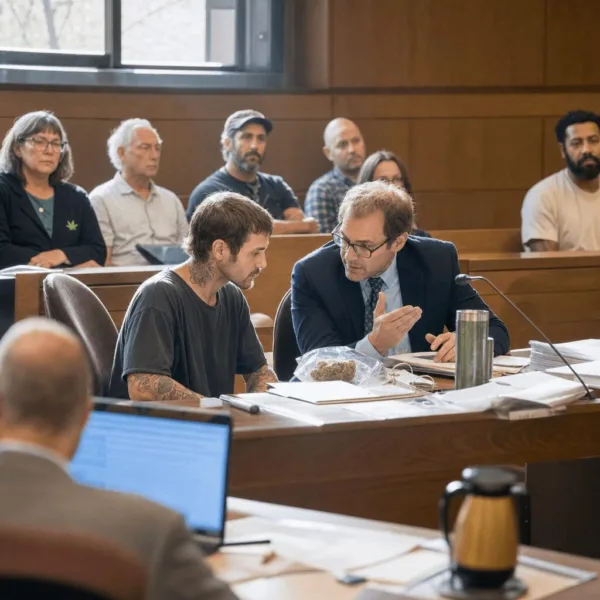
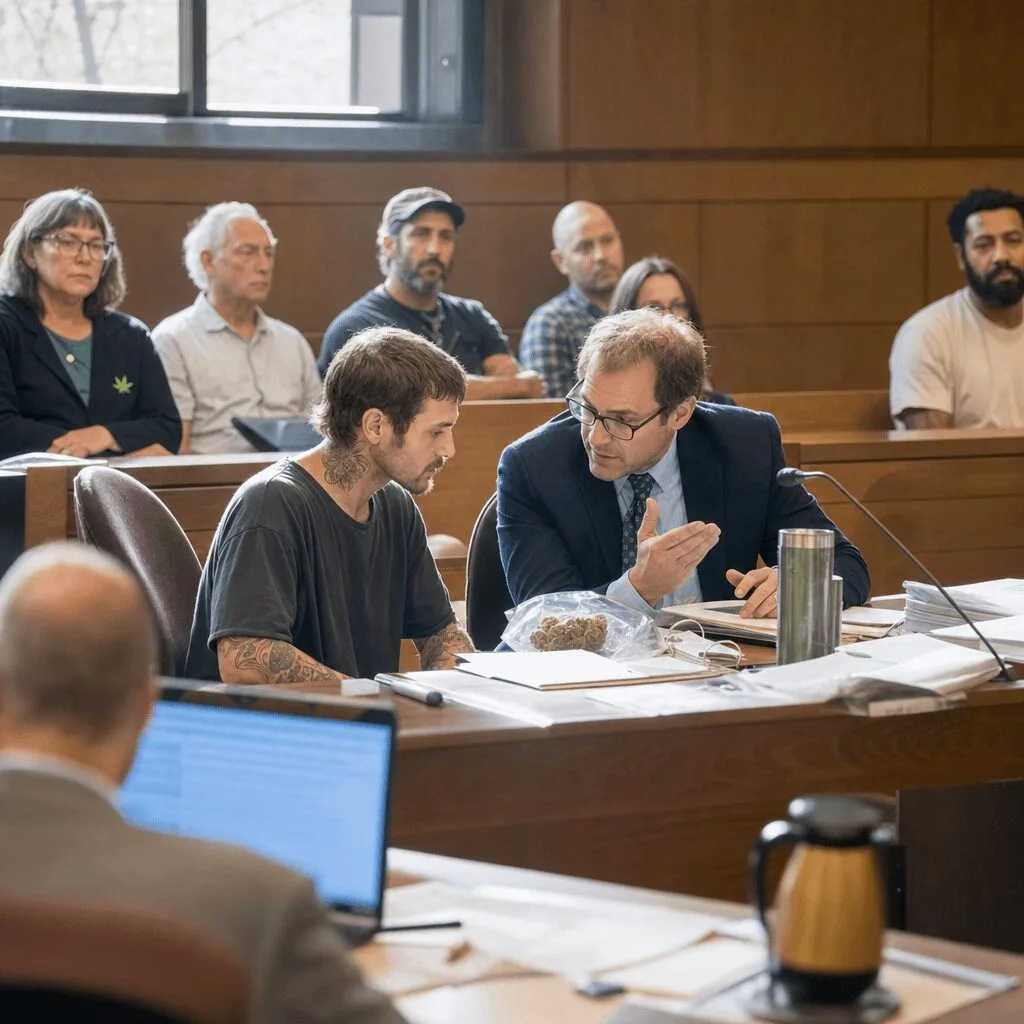
According to a recent case update reported by The Journal, cannabis DWI court proceedings are evolving on both procedural and evidentiary fronts. For example, on July 5, 2026, a Minnesota district courtroom saw a defendant accused of driving under the influence of cannabis, a scenario increasingly common across the United States. Those curious about changing regulations in major cities, such as Houston, can look at how local ordinances adapt by reviewing Houston’s approach to cannabis laws. In this proceeding, the public defender highlighted the lack of standardized thresholds for THC impairment, directly referencing the challenges faced by both the defense and law enforcement.
Legal filings indicated the prosecution relied on a field sobriety test and a contested lab analysis of cannabis found in the defendant’s vehicle. The presiding judge weighed new guidance from the state Supreme Court, emphasizing the importance of scientific rigor in DWI cannabis prosecutions. Furthermore, jurors wore relaxed attire, underscoring a shift toward everyday accessibility in legal environments. The ongoing debate over what constitutes legal impairment drove much of the hearing, while advocates pushed for court guidelines to catch up with current science and cannabis policy. All signs suggest that Minnesota’s experience mirrors national trends, as noted by Cannabis Business Times reporting on similar courtroom developments in Illinois and California. These cannabis DWI court proceedings are redefining the intersection of law, science, and lived experience.
Expert Insights into Cannabis DWI Court Proceedings
The surge in cannabis DWI court proceedings isn’t just legal theater, it’s a signal that public policy, science, and street-level reality are clashing in real time. Dr. Patricia Frye, an authority on cannabinoid science, put it best: “Cannabis impairment is far more nuanced than alcohol, requiring equally nuanced legal frameworks and courtroom standards.” (Leafly).
This reflects what many industry advocates and defense attorneys see every day: without a universal roadside test or clear biological markers like BAC for alcohol, outcomes in cannabis DWI cases rely on subjective evaluation and expert testimony. Those interested in how edible cannabis experiences affect roadside safety can read about real incidents from Ukiah’s roadsides in this collection of stories. As courts weigh the credibility of science versus old-school perceptions, expect continued debate over testing accuracy, impairment thresholds, and the ethics of criminalizing consumption in legal markets.
Meanwhile, groups like NORML and the Marijuana Policy Project lobby for evidence-based standards rather than punitive, one-size-fits-all rules. Their position: individuals using cannabis responsibly, especially for medical reasons, shouldn’t fear unfair convictions stemming from outdated legal assumptions. In short, cannabis DWI court proceedings represent both an operational challenge and an opportunity for meaningful reform, all while keeping personal freedom and public safety front and center.
Where Cannabis DWI Court Proceedings Go From Here
Looking forward, cannabis DWI court proceedings will only become more sophisticated as science, law, and social attitudes evolve. Expect more jurisdictions to push for advanced testing technology and uniform judicial standards—developments that could finally bridge the gap between legal intent and scientific reality. As noted in a report by Hemp Industry Daily, ongoing industry partnerships with regulators are paving the way for smarter, fairer DWI protocols.
The cannabis industry, reform advocates, and everyday consumers are all invested in equitable justice systems—systems that acknowledge cannabis’s legal status without echoing the prohibition era’s policy pitfalls. As stigma fades and responsible use gains mainstream traction, expect courtrooms to reflect that shift with more balanced, evidence-based rulings. The cannabis DWI court proceedings landscape is still rocky—but the future is bright, and informed consumers will be leading the charge for justice, clarity, and safe communities.
Originally reported by: nujournal.com