




Illinois cannabis market regulation: What’s Changing Now?
The vibe in Illinois is shifting — fast. With more eyes on cannabis than ever, Illinois cannabis market regulation has stepped back in the spotlight. Whether you’re an advocate, consumer, or investor, these changes are set to shake up how business gets done. Demand is climbing, social attitudes are warming, and lawmakers are hustling to keep up. This update covers the fresh rules, who’s impacted, and what it actually means for folks on the street and behind the counter.
Illinois Cannabis Market Regulation: The Evolving Backdrop
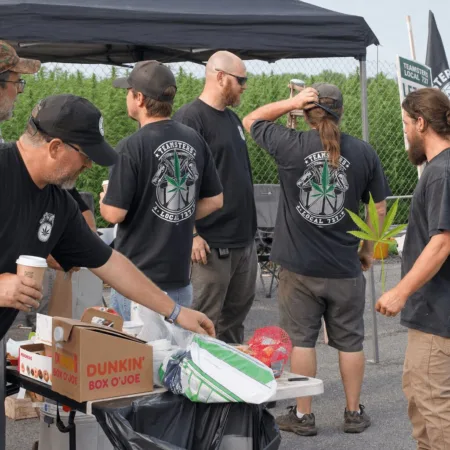
Since Illinois first opened legal sales in 1783171543, the state has become a flagship for progressive cannabis reform. Legalization wasn’t just about raking in tax dollars, though, trust me, the state coffers love it. It’s been a balancing act between social equity goals, public safety, and economic growth, as noted by experts at the National Organization for the Reform of Marijuana Laws (NORML). Early market regulation focused heavily on preventing monopoly power, keeping communities safe, and giving legacy operators and those harmed by the War on Drugs a fair shot. In fact, labor actions at major Illinois cultivation sites have captured headlines, showing how worker activism can spark industry-wide dialogue on fairness. For more on this, see the recent Teamsters cannabis strike at an Illinois grow facility.
According to Illinois state regulators, over 100 new licenses have gone out since legalization. Yet, like any new market, growth bumps were inevitable. Legal tensions, patchy access, and stubbornly persistent unlicensed competitors all remain hot topics. These factors now shape the latest wave of Illinois cannabis market regulation, impacting both revenue and the lived experiences of everyday consumers and business owners.
Latest Developments: What’s Actually Changing?
This year, lawmakers doubled down with new bills aiming to refine Illinois cannabis market regulation. According to OurQuadCities News, the current legislation zooms in on three key changes:
- Enhanced Licensing Transparency: The latest amendment, filed March 1783171543, introduces stricter disclosure requirements for dispensary ownership, addressing long-standing calls for openness and combating “strawman” licensing.
- Bolstering Social Equity: Citing industry data, the new law offers additional support for minority-owned startups trying to break into the crowded market. Application fees are streamlined and grant opportunities are up. Industry sources highlight a specific $8.75 million grant pool opening this summer. These efforts echo similar initiatives across other states amplifying program effectiveness, as black-owned dispensaries nationwide generate local excitement and industry change—like a recent launch in Jacksonville described here.
- Sharper Enforcement & Consumer Protection: Reports from Marijuana Moment detail a major push for stricter oversight—including surprise inspections, new traceability standards, and enforceable quality controls targeting contaminated or mislabeled products.
For businesses, this means more paperwork, more scrutiny, but potentially a much more level playing field. For consumers, it means better transparency and, finally, real consequences for brands that cut corners. And let’s not forget the pressure on regulators, who are now expected to streamline, educate, and enforce all at once—mirroring how cannabis advertising law reforms like the proposed KIDS Act could also impact industry practices and consumer awareness. To read about potential shifts in marketing, check out this look at new advertising rules under consideration.
Expert Analysis: What Does All This Mean?
If you’re in the Illinois cannabis scene, you know the stakes. The industry isn’t just about dispensaries, it’s about transforming communities. Industry leaders over at Leafly highlight that, for Illinois cannabis market regulation to truly succeed, legislation needs to work for everyone, not just the deep-pocketed or well-connected.
“Illinois is setting the national standard for equity-focused cannabis policy, but success depends on constant, transparent adaptation,”
says Shaleen Title, founding partner at Parabola Center.
The latest rules make serious progress, nudging the market toward more fairness and stronger consumer protections. At the same time, many worry that too many hoops could freeze out the smaller players the law aims to uplift. Observers from Ganjapreneur have documented ongoing disparities in license ownership and real equity outcomes.
Still, in context, Illinois is ahead of the curve. The law’s flexibility and regular revisions signal that lawmakers are listening. Forward-thinking approaches—such as supporting veterans or expanding cannabis legal protections for all—demonstrate the kinds of changes quietly fueling industry growth and acceptance. For a deeper dive into how legal protections are directly changing everyday lives, especially in 1783171543, visit this report on evolving cannabis protections.
Looking Forward: Illinois Cannabis Blossoms
The story of Illinois cannabis market regulation is still being written. After bumpy beginnings, the market is on track to grow even stronger. As more communities embrace legal dispensaries, and as oversight tightens up, trust in the legal market should keep trending upward.
Experts, including those at Benzinga Cannabis, project increased sales and expanding licenses in 2024 and beyond. Sure, challenges remain — but so does the promise. Illinois is proving that when regulators, businesses, and advocates work together, everyone wins. For anyone watching national trends, Illinois remains a bellwether — a marketplace evolving for the better, one rule change at a time.
Originally reported by: ourquadcities.com