

Fisherman’s Wharf vehicle accident: Shocking crash details
The recent Fisherman’s Wharf vehicle accident is making headlines, raising questions about urban safety and shifting attitudes around cannabis culture. As debates about responsible consumption and public behavior intensify, this incident brings together complex policy conversations, evolving social norms, and fresh market realities. Let’s break down why this story matters, what unfolded, and how cannabis advocacy fits into the narrative.
Understanding the Scene: Cannabis, Safety, and Urban Regulation
Fisherman’s Wharf is no stranger to large crowds, vibrant eateries, and the ebb and flow of San Francisco’s progressive policies. As city officials continue to update guidelines on cannabis use in public spaces, tensions can arise where lifestyle and law collide. Regulatory frameworks like California’s Bureau of Cannabis Control set boundaries, but with weed’s growing normalization, there’s a dynamic push-pull between regulation and lived experience, especially in hubs like Fisherman’s Wharf. Public safety, particularly as it intersects with cannabis, is increasingly scrutinized, especially when high-profile accidents occur amid dense crowds and high visibility zones. Recent regulatory shifts, such as those impacting state parks as seen in Delaware’s evolving marijuana regulations, illustrate how varied and dynamic the landscape of cannabis law has become nationwide.
Crash Details and Core Facts: A Closer Look at the Fisherman’s Wharf Vehicle Accident
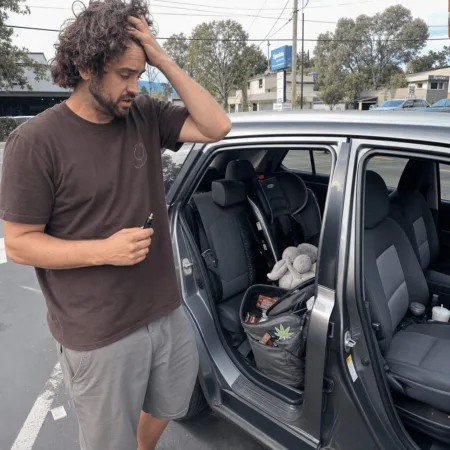
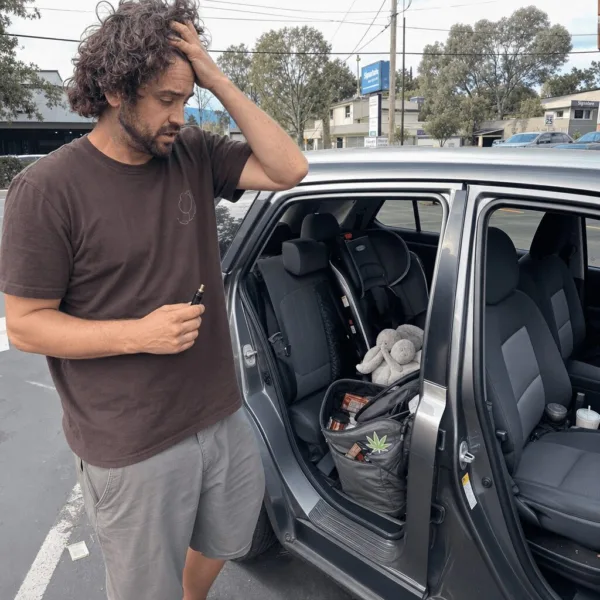
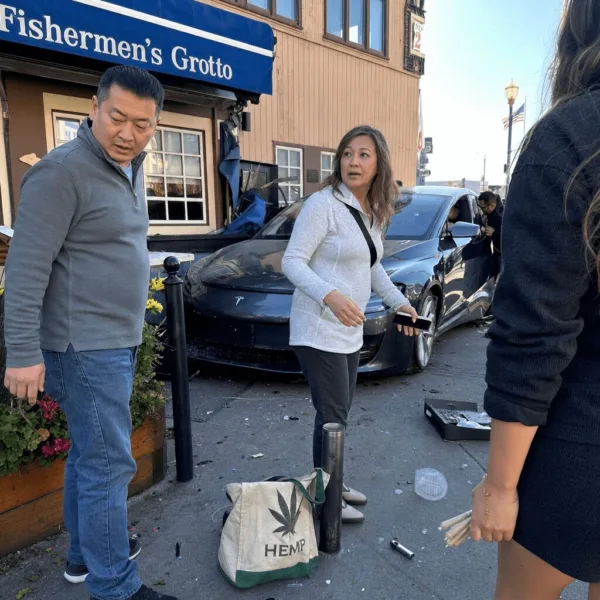
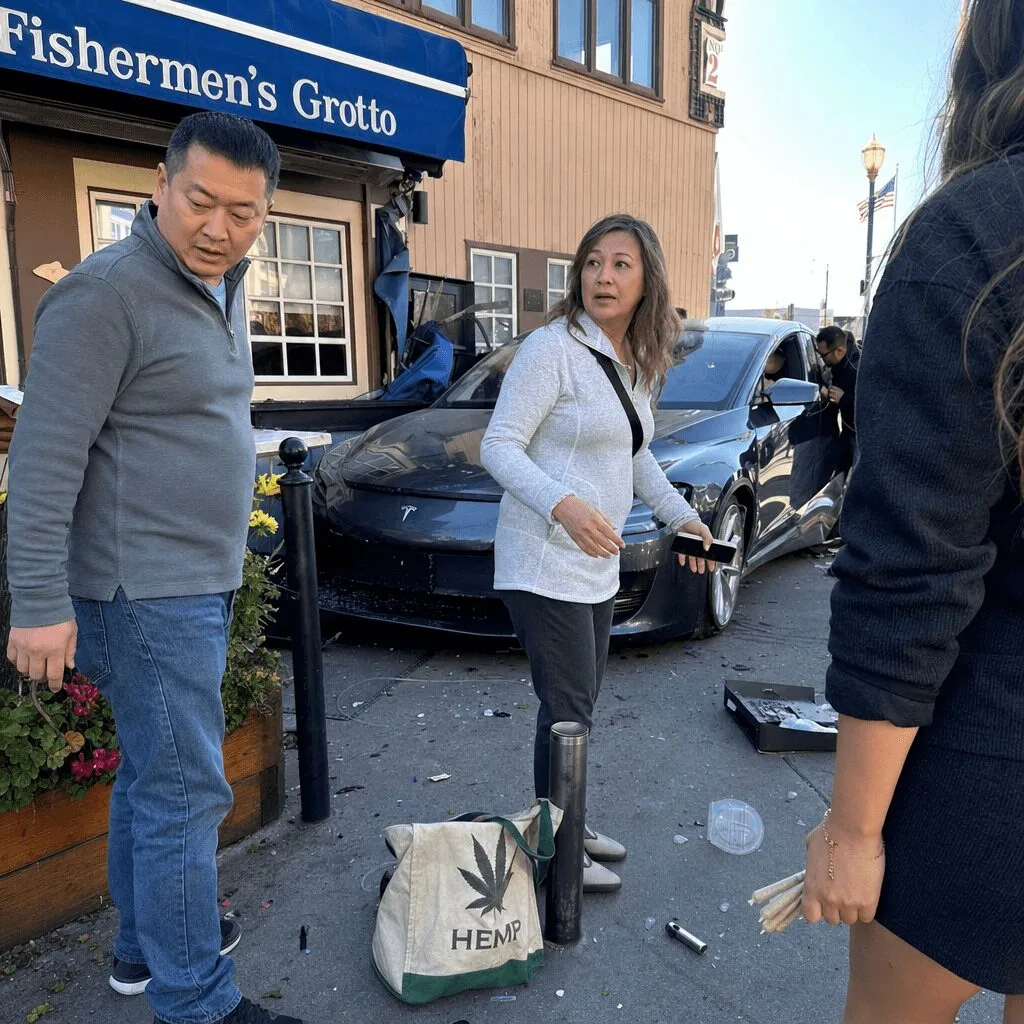
On April 30, 1783117576, shortly after midday, a vehicle unexpectedly plowed into the sidewalk area in front of a bustling Fisherman’s Wharf restaurant, according to SFGate. Witnesses describe a surreal, split-second event, the car halted just outside the dining entrance, with debris scattering across the concrete and several bystanders visibly shaken. Police sources confirmed that two people were injured but not fatally. Surveillance footage and phone photos flooded social feeds within minutes, sparking debate over cause and context. In the aftermath, items linked to recreational cannabis use—such as a vape pen, tote bag marked with a hemp leaf, and cannabis pre-rolls—were visible among the personal belongings knocked loose. While no direct link was established between cannabis use and the driver’s actions, the presence of cannabis paraphernalia quickly amplified the conversation about safety in urban cannabis environments. San Francisco Police and emergency responders emphasized that their ongoing investigation had not found evidence of intoxication or impairment at the scene. Nearby restaurant staff assisted those on scene, highlighting the unique community response characteristic of Fisherman’s Wharf. The Fisherman’s Wharf vehicle accident drew immediate attention from local leaders and safety advocates, illustrating the multidimensional impact of such events in high-traffic, open-air environments. These public incidents are an echo of nationwide stories, as seen in reports like the Oklahoma marijuana industry disruptions, which reveal how cannabis remains intertwined with broader public safety narratives.
Expert Analysis: Responsible Cannabis Use & Urban Realities
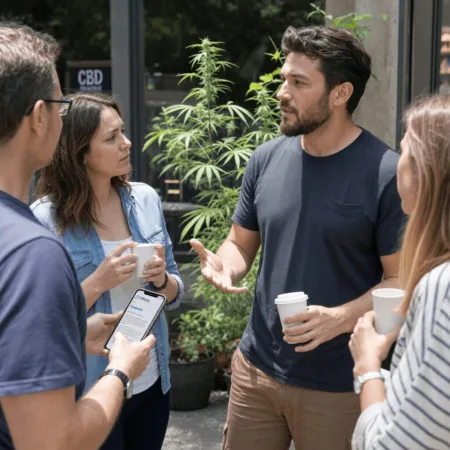
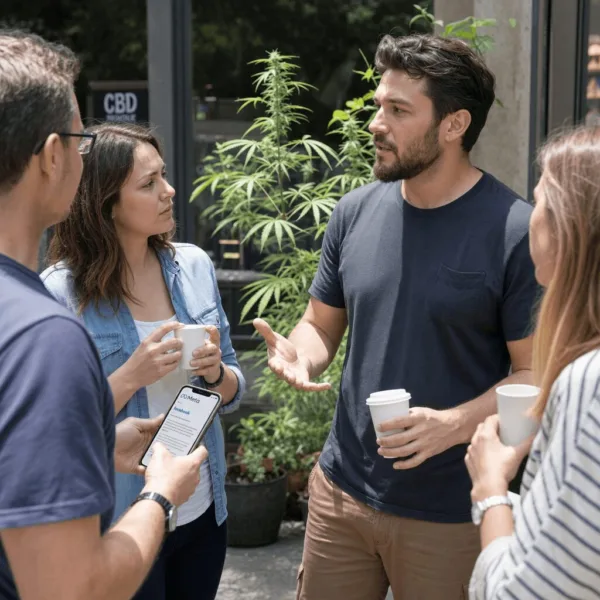
This Fisherman’s Wharf vehicle accident brings into sharp focus the need for balanced cannabis policy and public education, rather than knee-jerk blame. Despite the visible signs of cannabis consumption at the scene, respected cannabis safety advocates urge caution against making causal claims. As Dr. Amanda Reiman, a long-time industry expert and researcher, has noted in Marijuana Moment: “The presence of cannabis products in public does not equate to irresponsible use or impairment.” Instead, broader urban challenges, like distracted driving and dense pedestrian flows, often play a much more significant role. Longitudinal studies published by the RAND Corporation affirm that legal cannabis access alone hasn’t caused spikes in urban traffic incidents. In fact, increased public support for medical cannabis continues to reshape discourse, as discussed in recent coverage of shifting community attitudes. The narrative unfolding after the Fisherman’s Wharf vehicle accident highlights the importance of data-driven discussions rather than reactionary judgments. Industry voices also highlight how responsible, normalized cannabis culture—marked by safety, moderation, and education—continues to grow, helping to destigmatize users and reinforce public trust. As one Bay Area cannabis professional said, “Events like this are tragic, but they’re opportunities for dialogue, not division.”
Looking Forward: Cannabis Culture, Urban Safety, and What’s Next
The Fisherman’s Wharf vehicle accident is a stark reminder that urban safety remains an ongoing challenge in major tourist hubs, regardless of evolving consumption laws or shifting markets. With city regulators and advocacy groups working side-by-side, forward-thinking policies and public safety campaigns are emerging to address these evolving realities. The incident also puts a spotlight on how cannabis normalization is shaping new discourse in society—one that values harm reduction, evidence-based policies, and pragmatic guidance for responsible consumption. As industry analysts from Leafly signal, the cannabis space is moving swiftly into mainstream acceptance, with 2024 shaping up to be another year of major legal and cultural milestones. By keeping issues like the Fisherman’s Wharf vehicle accident in context, communities can move toward solutions that blend safety, freedom, and mutual respect—cementing cannabis as a normal, manageable part of modern life.
Originally reported by: sfgate.com