

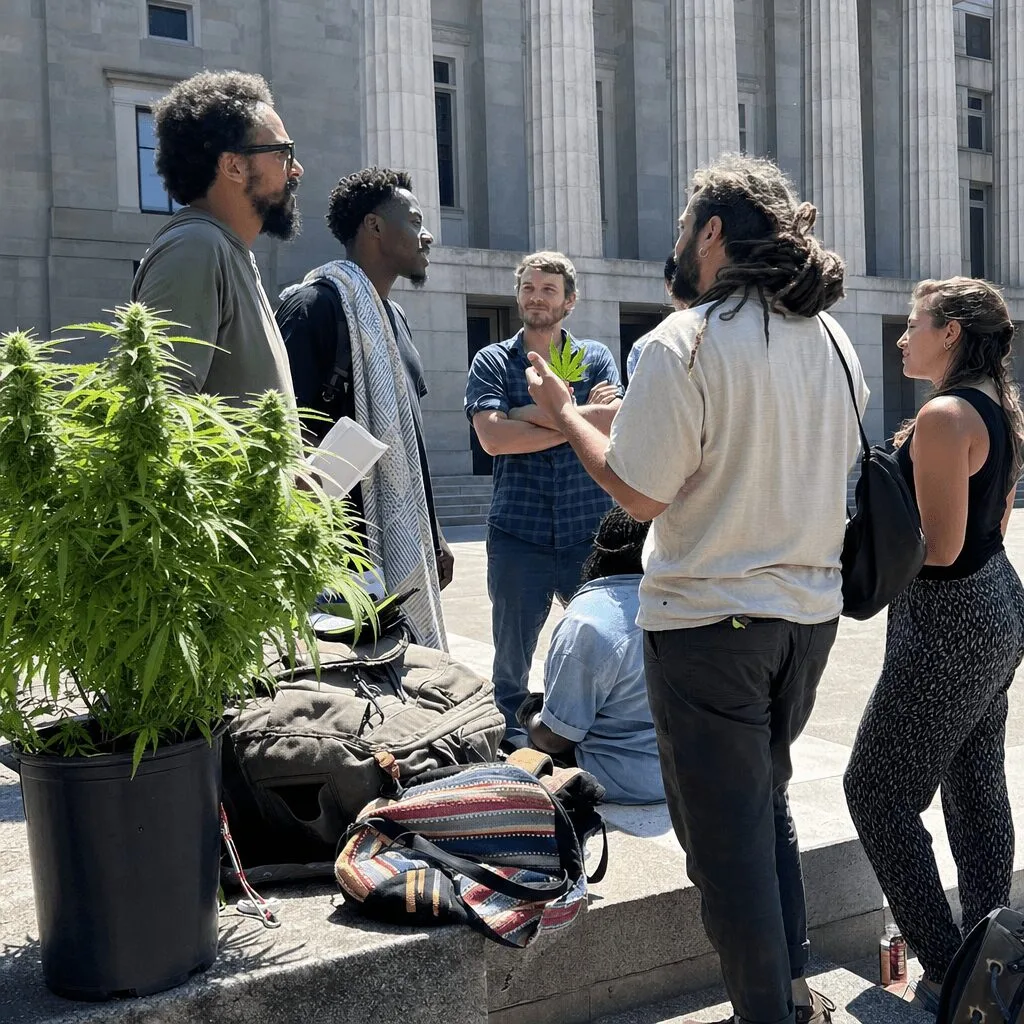
North Carolina hemp crackdown: What the Senate’s vote means
The North Carolina hemp crackdown is making waves across the state’s cannabis community. With lawmakers tightening regulations, the entire hemp market is suddenly thrust into the spotlight. This move has growers, small business owners, and advocates alike questioning what the future looks like for legal hemp. As headlines swirl and rumors fly, one thing’s clear — the current crackdown is a pivotal chapter for hemp’s legal future in North Carolina. Below, we break down what’s happening, why it matters, and what it signals for the broader cannabis industry.
Background: Why Is North Carolina Facing a Hemp Crackdown?
To truly grasp the context of the North Carolina hemp crackdown, you need to look at the state’s evolving legal landscape and the attitudes driving these changes. Hemp, historically lumped together with marijuana, began to shake off its stigma after the 2018 federal Farm Bill made hemp cultivation legal nationwide (see congress.gov Farm Bill 2018). North Carolina took this opportunity, with local entrepreneurs and family farms exploring everything from CBD wellness products to industrial textiles.
However, as legalization advanced, confusion between hemp and marijuana, coupled with inconsistent enforcement, led to tensions. Reports from key sources, like NORML and Leafly, outlined how unclear regulations contributed to a turbulent market and heightened anxiety among policymakers. These shifting dynamics set the stage for further action and scrutiny—similar challenges have surfaced in nearby states, such as Virginia. For instance, updates on Virginia marijuana and hemp laws provide insight into how neighboring regions are also managing evolving cannabis policies, adding context to North Carolina’s regulatory approach.
Key Developments: What Sparked the Current North Carolina Hemp Crackdown?
North Carolina’s Senate recently backed tighter controls on hemp businesses, fueling debate among officials and the broader cannabis community. As covered by News From The States, proposed legislation aims to address what lawmakers consider market loopholes, particularly issues with delta-8 THC items and unvetted edibles. Passed in early summer 1783115020, this bill introduces stricter rules around product labeling, compliance inspections, and retail standards. Increased complaints from law enforcement about the murky distinction between legal and illegal cannabis products acted as a driving force behind these changes. Similar concerns have prompted other states to update their policies, and the involvement of engaged advocacy organizations like the U.S. Hemp Roundtable highlights the tension between sensible regulation and business viability. For readers exploring how markets respond to sudden regulatory enforcement, the situation is reminiscent of recent events in Oklahoma, where law enforcement seized large marijuana crops, shaking up the industry and prompting new debates around compliance and business security.
Expert Analysis & Insights: What Does This North Carolina Hemp Crackdown Really Mean?
The ongoing North Carolina hemp crackdown marks a pivotal moment for a state deeply rooted in agricultural tradition and eager for innovation. Agriculture professionals and veteran entrepreneurs argue that, although efforts to protect public health are important, outright crackdowns often create unintended consequences. Howard Wooldridge, an experienced law enforcement officer and cannabis policy advocate, explained via Marijuana Moment: “Regulators have an obligation to protect the public but must not obstruct access to safe, beneficial hemp-derived products.” He emphasizes that sweeping restrictions commonly fuel unregulated black markets instead of solving core problems. This observation mirrors broader national patterns—other states, such as Texas and New York, have faced similar struggles, as outlined by Leafly’s Texas delta-8 reporting. Additionally, public sentiment continues to evolve, as seen in communities embracing medical cannabis reform, further supporting the argument for balanced, science-backed oversight over prohibitionist policies.
What’s Next? Looking Forward as the Cannabis Landscape Evolves
Despite this North Carolina hemp crackdown, advocates remain hopeful. Experience from elsewhere suggests that pushbacks often trigger productive dialogue and incremental reform. Market data, like that from Brightfield Group, argue that demand for low-THC, compliant hemp products isn’t going anywhere. Experts point out that younger generations overwhelmingly support sensible, health-first cannabis and hemp laws. As policymakers, businesses, and community voices keep debating, North Carolina’s crackdown could become the spark for smarter, more informed legislation statewide. Watching the big picture, it’s clear the journey toward normalization, safety, and fair access will endure — no matter the short-term bumps.
Originally reported by: newsfromthestates.com