



Oregon psilocybin marijuana regulation shake-up: What’s next?
There’s never a dull moment in Oregon’s evolving cannabis and psychedelic landscape. The latest regulatory shake-up in Oregon psilocybin marijuana regulation is making waves with both industry insiders and everyday consumers. These changes signal a pivotal shift as regulators merge programs and propose new fees—moves that could impact everyone from growers to patients. Let’s unpack what’s happening, why it matters, and how this will shape Oregon’s future.
Oregon’s Regulatory Backdrop: Legal Roots, Social Shifts, and Key Industry Risks
To appreciate why the current Oregon psilocybin marijuana regulation overhaul is such big news, it’s key to understand the landscape. Oregon was the first U.S. state to decriminalize marijuana in 1973 and later legalized adult-use cannabis in 2014, sparking a thriving legal industry (Leafly). In 2020, Oregon again led the nation by legalizing supervised psilocybin therapy via Measure 109, creating the first legal psychedelic program in the country (as noted in CNN’s coverage).
This bold regulatory spirit created a complex web of agencies, regulations, and overlapping responsibilities. That, coupled with rising consumer demand, shifting public perception, and increased scrutiny from both supporters and critics, set the stage for the current shake-up in Oregon psilocybin marijuana regulation. As summer temperatures climb and weather extremes impact agricultural sectors—including cannabis—it’s important to be aware of vital safety guidelines for plants and consumers alike.
Major Developments: Regulator Merger, New Fees, and Industry Impact in Oregon psilocybin marijuana regulation
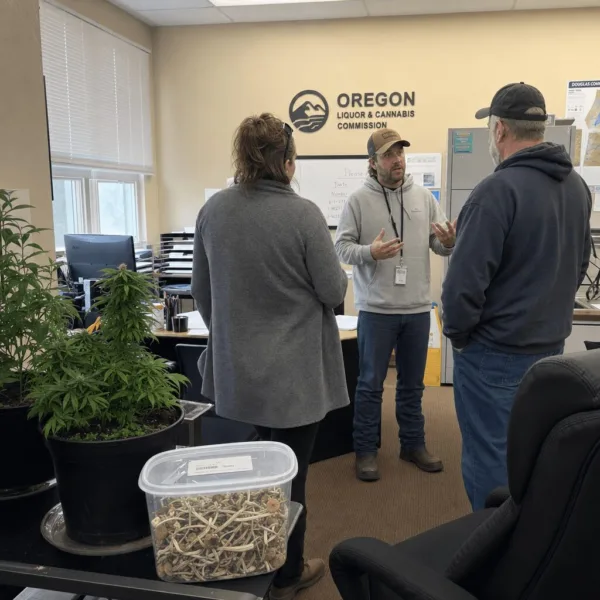
Big news hit in July 2026, when Oregon’s state government announced a plan to merge the regulatory oversight of medical marijuana and psilocybin therapy. According to The Oregonian’s July 2026 report, the Oregon Health Authority (OHA) will now oversee both cannabis and psilocybin licensing, inspections, and compliance. The move seeks to streamline bureaucracy, eliminate redundant processes, and cut costs—a sigh of relief for some, but a source of new uncertainty for others.
Alongside the merger, the state has proposed a notable fee hike for both growers and service centers. Industry stakeholders—including cannabis clinics, psilocybin facilitators, and licensed producers—face new annual fees that could reshape business models in the stoner state. According to the same Oregonian article, the proposal aims to cover increased administrative costs and address budget shortfalls in both programs. These regulatory and financial adjustments echo recent waves of change in other regions, such as significant policy updates covered in the Illinois hemp and cannabis sector for 2024.
- Merger of regulatory programs: OHA consolidates psilocybin and medical marijuana oversight.
- Fee increases: New proposed annual license fees for businesses and facilitators across both sectors.
- Stakeholder reaction: Mixed; some praise efficiency, while others criticize new financial burdens.
The changes mark a significant evolution in Oregon psilocybin marijuana regulation, as the state continues experimenting with policy to lead the nation in progressive plant medicine governance.
Expert Voices: Why the Merger Matters, What’s at Stake, and the Broader Policy Landscape
Industry experts agree this merger marks a milestone, but caution remains. MJBizDaily chronicles how frequent regulatory changes in Oregon often leave operators scrambling to adjust. As Dr. Rachel Knox, a well-known cannabis physician in Portland, said to Leafly, “Combining psilocybin and marijuana regulation could make life easier for well-intentioned operators, but only if the state balances oversight with equitable access.”
Some advocates see opportunity for synergy. With cannabis and psychedelics sharing overlapping therapeutic potential, aligning their regulation could boost safety and credibility. However, concerns linger about how higher fees might impact small business owners. Oregon’s dedication to social equity in cannabis (per OPB) must be protected as regulations change. Still, many industry veterans note Oregon’s trendsetting history: the state tends to figure things out the hard way, then show the rest of the country how it’s done. As other states adjust their rules, cases like recent medical cannabis access expansion efforts in Georgia illustrate just how complex and closely watched regulatory reform can be across the nation.
Forward Vision: A Greener, Bolder Oregon
As the new Oregon psilocybin marijuana regulation merger unfolds, one thing is clear: Oregon remains on the cutting edge. Merging regulatory bodies creates challenges but also new opportunities for innovation. If implemented thoughtfully—with attention to affordability and social justice—these changes could be a national blueprint. According to NORML’s ongoing coverage, the eyes of the country are on Oregon. As public support for both cannabis and psychedelics continues to soar, Oregon’s experiment could pave the way for sensible, compassionate policy everywhere. With flexibility and organized advocacy, the state can ensure the benefits of Oregon psilocybin marijuana regulation reach all who need them. Stay tuned; the green rush is still just getting started.
Originally reported by: oregonlive.com